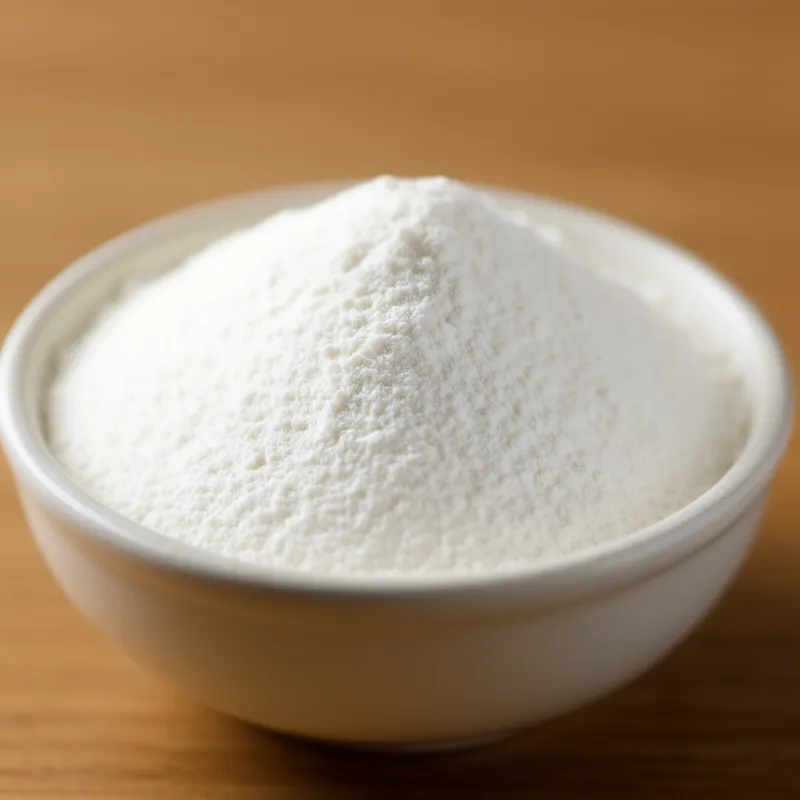
 362 kcal
 P 12g C 74.6g F 1.7g
Defatted soy flour is what remains after soybean oil is extracted, leaving behind an extraordinarily protein-dense powder that behaves more like a binder than a traditional baking flour.
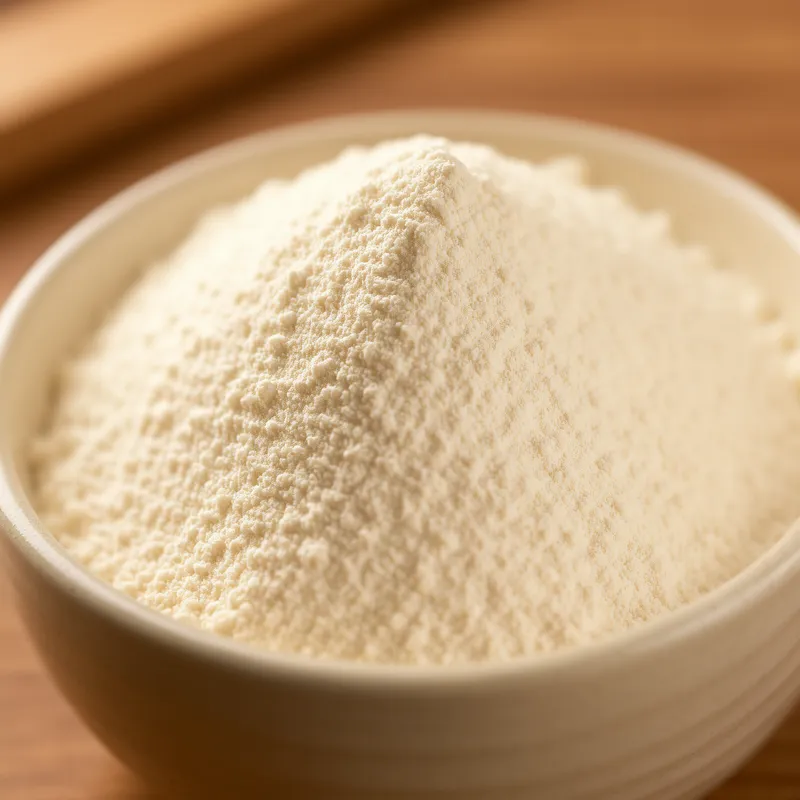
Defatted soy flour is a direct byproduct of the soybean oil industry. After soybeans are cracked, flaked, and solvent-extracted to remove their valuable oil, the remaining protein-rich flakes are toasted and ground into a fine powder. Because the fat has been stripped away, the resulting flour contains over 50% protein by weight, making it one of the most concentrated plant proteins available. During the toasting process, the heat deactivates enzymes like lipoxygenase, which would otherwise oxidize remaining trace lipids and create undesirable beany off-flavors. However, this heat treatment must be carefully controlled; if the temperature is too high, the proteins denature and lose their functional properties, such as water absorption and emulsification. In commercial baking, defatted soy flour is often added at low percentages (around 1-3%) to wheat bread because its proteins interact with wheat gluten to improve dough handling, increase loaf volume, and extend shelf life by slowing starch retrogradation.
Defatted soy flour cannot replace wheat flour entirely because it lacks gluten-forming proteins. Instead, blend it into wheat-based recipes at 1 to 3 tablespoons per cup of all-purpose flour to boost protein and improve dough structure. It also works well as a thickener for sauces or a protein booster in smoothies and energy bars. Store it in an airtight container in a cool, dark place, or refrigerate it to preserve its remaining delicate lipids and prevent rancidity. Pair it with liquids like milk or eggs to balance its slightly nutty, earthy flavor.
Per 100g — daily values based on a 2,000 calorie diet
CalRay's AI recognizes flour and hundreds of thousands of other foods from a photo. No manual lookup needed.
Flour, soy, defatted contains 366 calories per 100g. A standard serving of 1 RACC (30g) provides 110 calories. It is relatively calorie-dense, so portion control is important.
Flour, soy, defatted provides 51.1g of protein per 100g, which is 102% of the 50g daily recommended value. It is an excellent source of protein.
Flour, soy, defatted contains 32.9g of carbohydrates per 100g .
Flour, soy, defatted has 366 kcal per 100g, so portions need to be monitored on a weight-loss diet. Use CalRay to track your intake accurately. Its high protein content (51.1g/100g) helps with satiety.
The easiest way to track flour is with CalRay. Simply snap a photo of your meal and the AI will automatically identify the food and calculate calories and macros based on the estimated portion size — no manual lookup required. You can also search by name and adjust gram weight manually.
362 kcal  150 kcal
  34 kcal