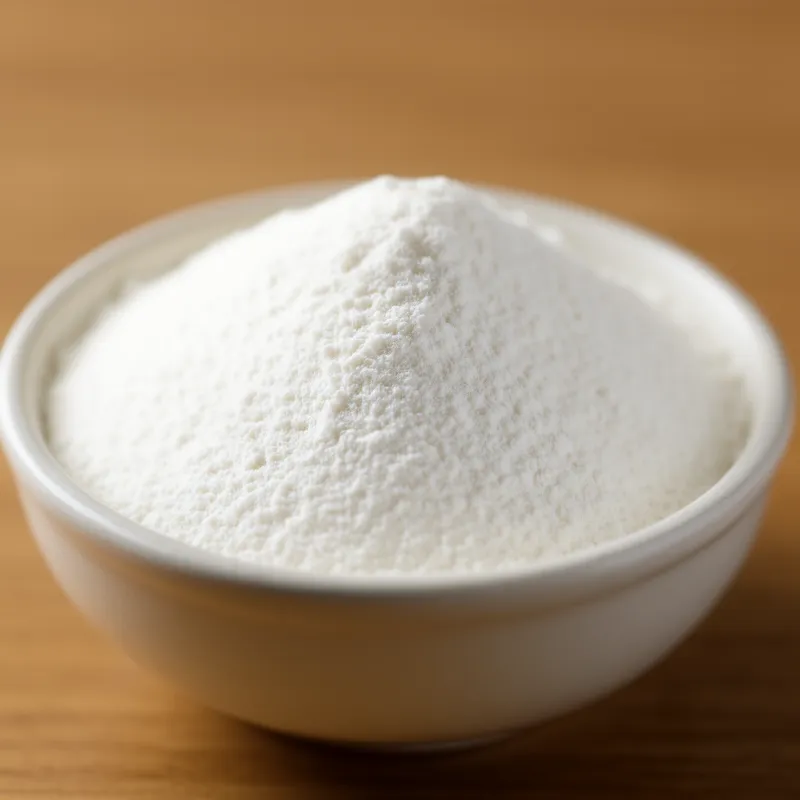
 359 kcal
 P 6.94g C 79.8g F 1.3g
This ancient drought-resistant grain produces a flour that stays remarkably sweet without containing any gluten.
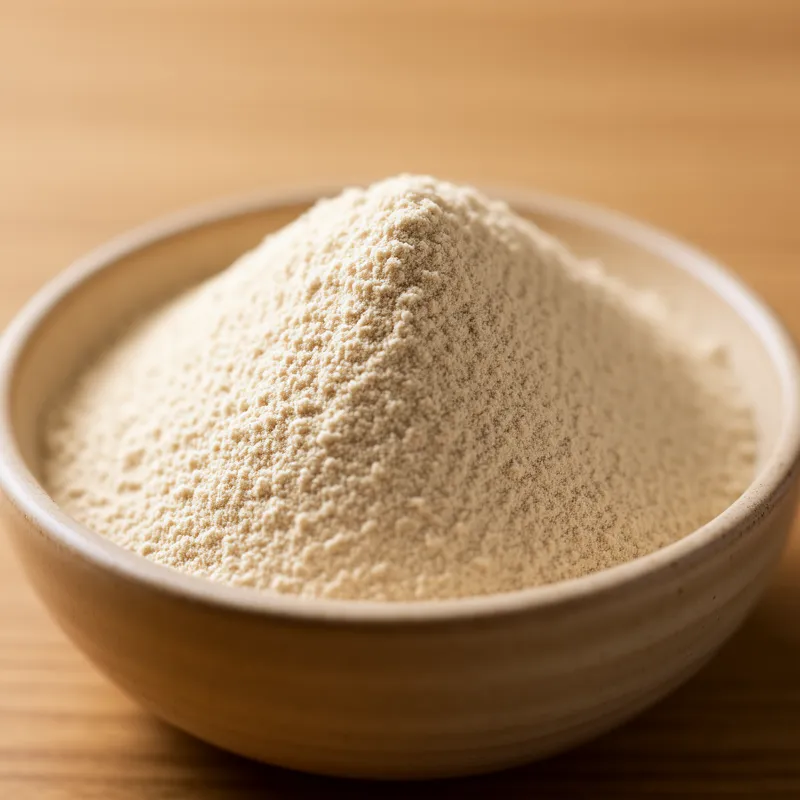
Sorghum originated in northeastern Africa thousands of years ago and remains a dietary staple across the semi-arid tropics globally. Unlike wheat, barley, and rye, sorghum is completely devoid of gluten-forming proteins, making its flour a safe staple for those with celiac disease. What truly sets the sorghum plant apart biologically is its use of C4 carbon fixation, a highly efficient photosynthetic pathway. This mechanism allows the plant to thrive in intense heat and severe drought conditions by minimizing water loss while maximizing carbon dioxide capture. When milled into flour, sorghum retains a mildly sweet, earthy flavor profile. The grain's endosperm contains a mix of kafirin proteins, which are prolamin storage proteins analogous to the gliadins in wheat. However, because kafirins do not form the elastic, cross-linked networks that gluten does, sorghum flour batters lack the structural elasticity of wheat doughs. Consequently, bakers typically blend it with starches or hydrocolloids like xanthan gum to replicate the binding and rising properties required for leavened baked goods.
Because sorghum flour lacks gluten, it cannot be swapped 1:1 for wheat flour in yeast breads without adding a binder. For best results, blend it with xanthan gum or eggs to provide structure and moisture retention. It excels in flatbreads, pancakes, and dense cakes where a tender crumb is preferred over a chewy rise. Store it in an airtight container in a cool, dark pantry to prevent the natural oils from going rancid, or refrigerate it to extend shelf life.
Per 100g — daily values based on a 2,000 calorie diet
CalRay's AI recognizes flour and hundreds of thousands of other foods from a photo. No manual lookup needed.
Flour, sorghum contains 375 calories per 100g. A standard serving of 1 RACC (45g) provides 169 calories. It is relatively calorie-dense, so portion control is important.
Flour, sorghum provides 8.27g of protein per 100g, which is 17% of the 50g daily recommended value. It is not a primary protein source.
Flour, sorghum contains 77.4g of carbohydrates per 100g . It also provides 6.02g of dietary fiber.
Flour, sorghum has 375 kcal per 100g, so portions need to be monitored on a weight-loss diet. Use CalRay to track your intake accurately. Its fiber content (6.02g/100g) also promotes fullness.
The easiest way to track flour is with CalRay. Simply snap a photo of your meal and the AI will automatically identify the food and calculate calories and macros based on the estimated portion size — no manual lookup required. You can also search by name and adjust gram weight manually.
359 kcal  148 kcal
 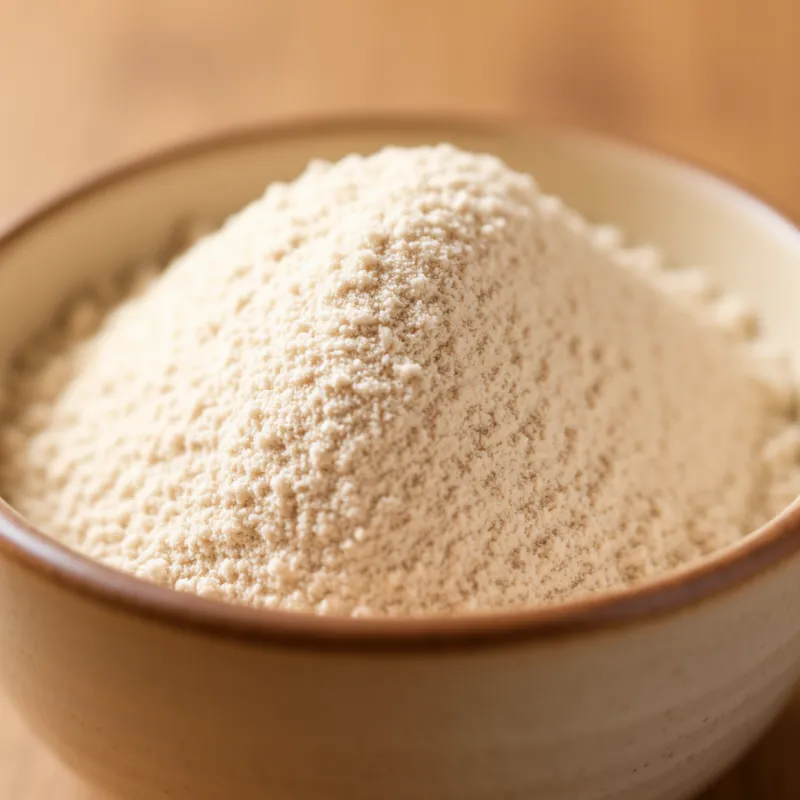 621 kcal