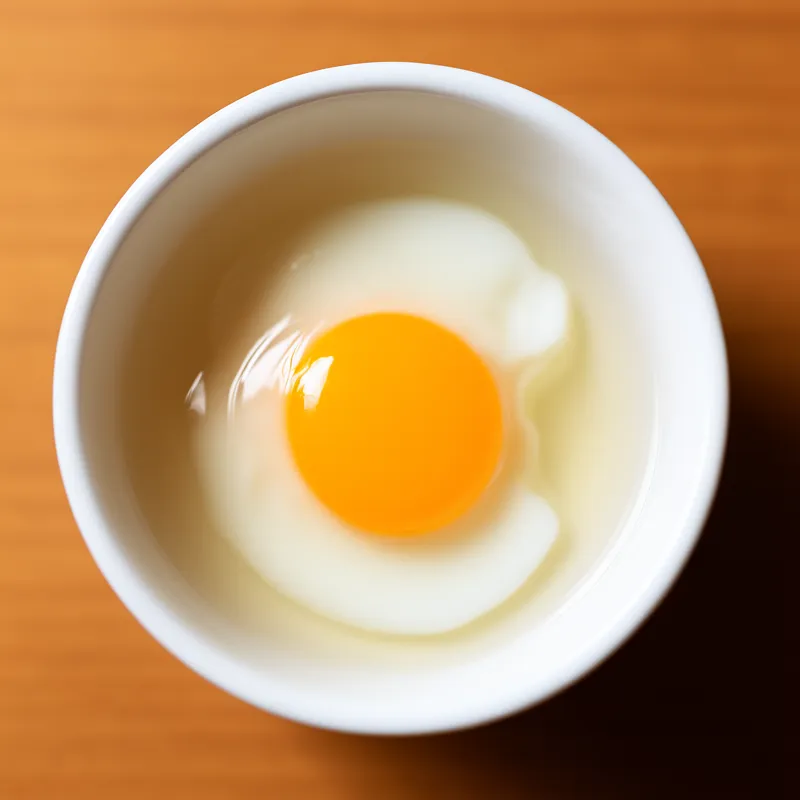
 148 kcal
 P 12.4g C 0.96g F 9.96g
Fine semolina is the secret to pasta's signature al dente bite, thanks to its high protein matrix.
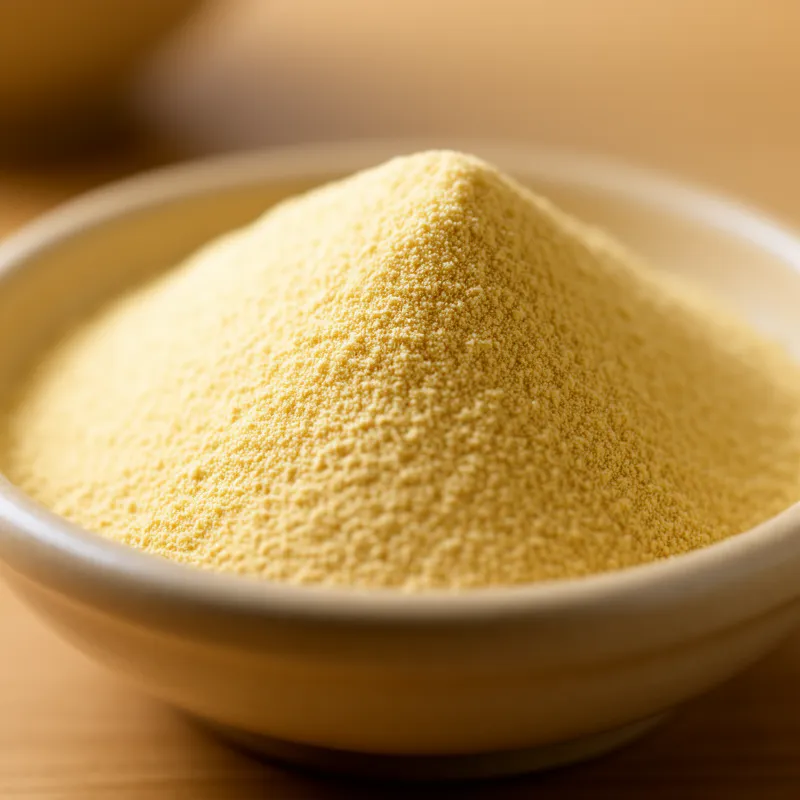
Semolina is milled from durum wheat (Triticum durum), a hard wheat variety distinct from common bread wheat (Triticum aestivum). The word "semolina" derives from "semola," an Italian word rooted in the Latin simila, meaning flour. Unlike all-purpose flour, which is milled to a fine powder from the endosperm of soft wheat, semolina retains a granular, sandy texture even when ground "fine." This granular structure comes from the exceptionally hard endosperm of durum wheat, which shatters into sharp, glass-like shards rather than crushing into soft powder. Durum wheat contains a unique protein profile that forms a strong, elastic gluten network. This elasticity is exactly why durum semolina is the global standard for dried pasta: the protein matrix traps starch granules during cooking, preventing them from leaching into the boiling water and yielding a firm, chewy texture known as al dente. Without durum wheat's specific starch-protein interaction, pasta would dissolve into a starchy mush.
Fine semolina is ideal for making fresh homemade pasta, gnocchi, or couscous. When kneading it into dough, use warm water to help the hard starch granules hydrate fully, and let the dough rest for at least 30 minutes so the gluten network can relax. Store it in an airtight container in a cool, dark pantry to prevent the natural oils in the wheat germ from oxidizing. Because it is relatively low in fat but high in complex carbohydrates, pair it with protein-rich ingredients like eggs or cheese to balance the meal's macronutrient profile.
Per 100g — daily values based on a 2,000 calorie diet
CalRay's AI recognizes flour and hundreds of thousands of other foods from a photo. No manual lookup needed.
Flour, semolina, fine contains 358 calories per 100g. A standard serving of 1 RACC (30g) provides 107 calories. It is relatively calorie-dense, so portion control is important.
Flour, semolina, fine provides 13.3g of protein per 100g, which is 27% of the 50g daily recommended value. It is a good source of protein.
Flour, semolina, fine contains 72g of carbohydrates per 100g . It also provides 3.68g of dietary fiber.
Flour, semolina, fine has 358 kcal per 100g, so portions need to be monitored on a weight-loss diet. Use CalRay to track your intake accurately. Its fiber content (3.68g/100g) also promotes fullness.
The easiest way to track flour is with CalRay. Simply snap a photo of your meal and the AI will automatically identify the food and calculate calories and macros based on the estimated portion size — no manual lookup required. You can also search by name and adjust gram weight manually.
148 kcal 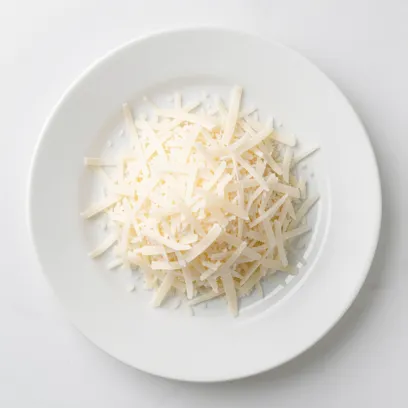 421 kcal
 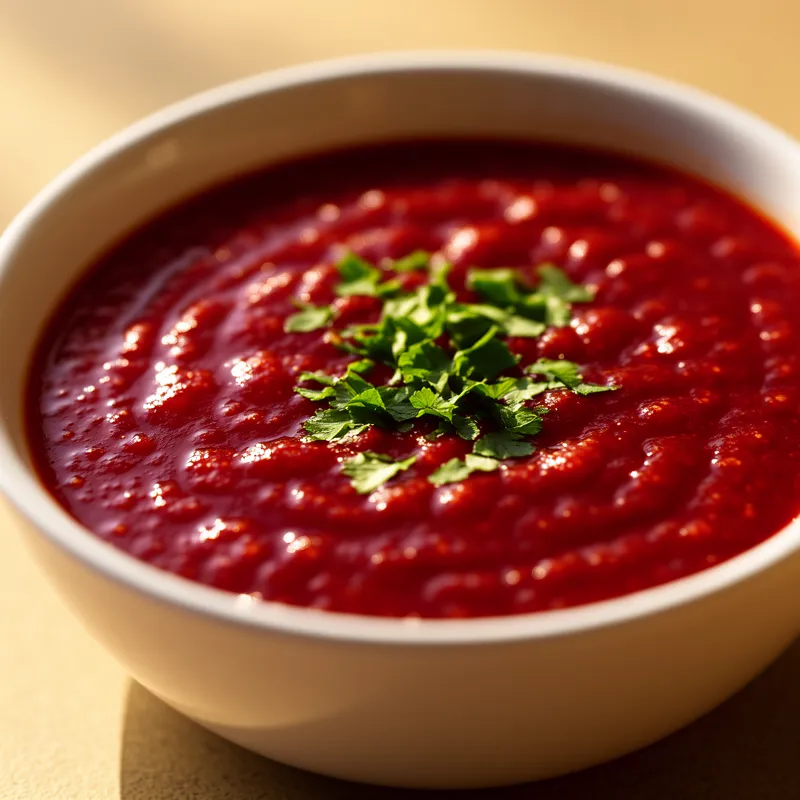 45 kcal