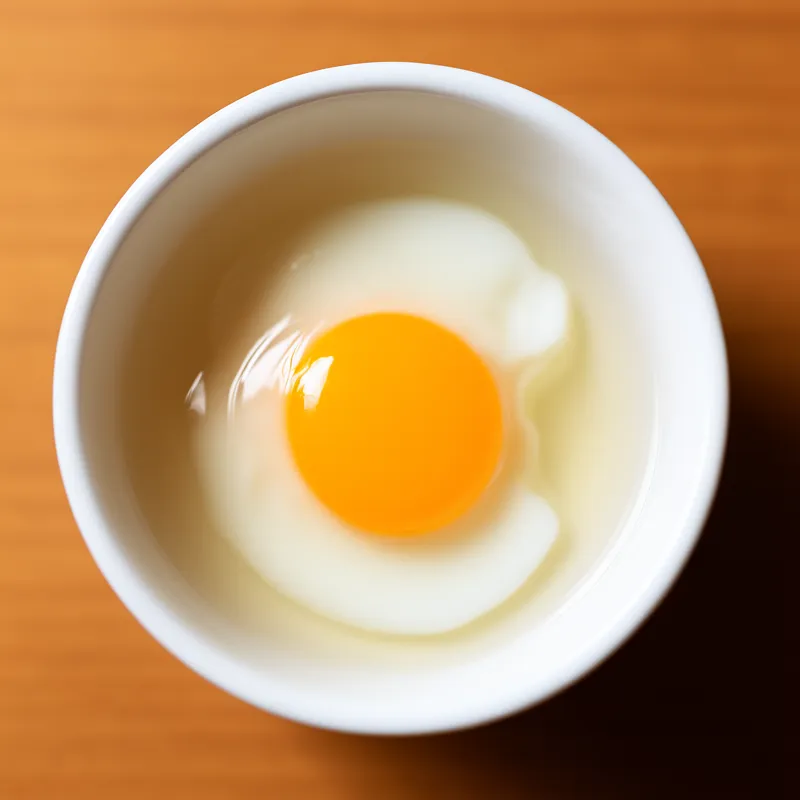
 148 kcal
 P 12.4g C 0.96g F 9.96g
The coarse granules of durum wheat that give pasta its signature bite and golden hue.
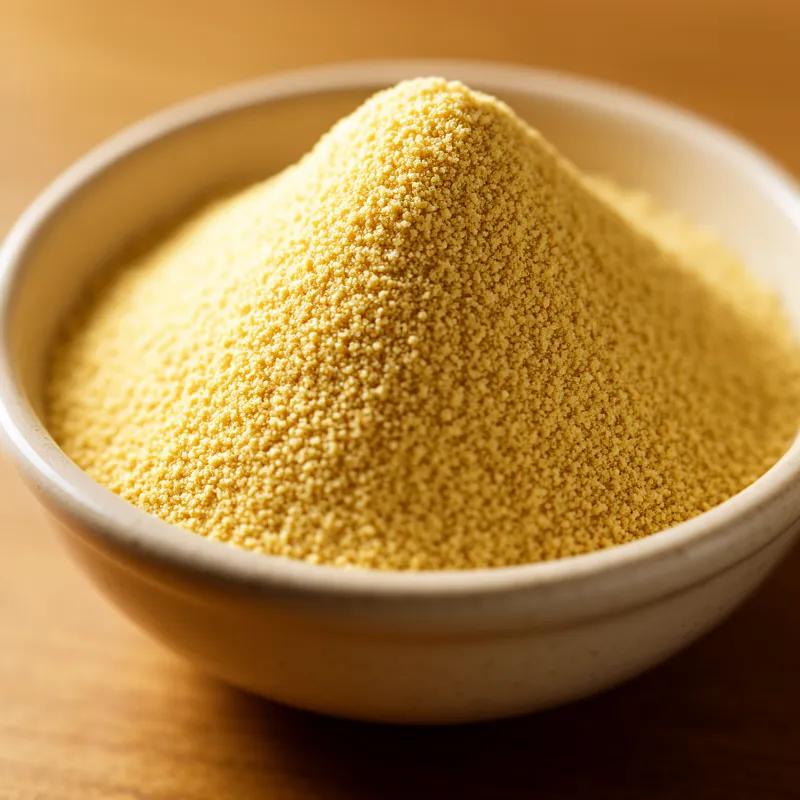
Semolina is milled from durum wheat (Triticum durum), the hardest of all wheat varieties, which contains a high protein matrix that shatters into sharp, crystalline granules rather than pulverizing into a fine powder like common bread wheat. This coarse texture is exactly what makes it ideal for extruding into pasta, as the granules hydrate evenly without turning gummy. The characteristic yellow color comes from carotenoid pigments in the durum endosperm, which are carefully preserved during milling to maintain the visual appeal of the final product. Unlike all-purpose flour, which is roller-milled to remove the bran and germ and then often bleached, semolina's larger particle size requires a longer hydration time when making dough. This slower water absorption is the mechanical reason why fresh semolina pasta dough is often rested before shaping, allowing the hard granules to fully absorb moisture and develop the elastic gluten network needed to hold its shape during boiling. Coarse and semi-coarse grades specifically refer to the granule diameter, which influences the final chewiness of the extruded noodle.
Because of its large particle size, coarse semolina requires a longer resting period when making fresh pasta dough to fully hydrate the granules. For a nutritional boost, pair it with eggs to add lysine, an essential amino acid that wheat lacks, creating a more complete protein profile. Store semolina in an airtight container in a cool, dark place to prevent the trace fats in the endosperm from oxidizing and turning rancid.
Per 100g — daily values based on a 2,000 calorie diet
CalRay's AI recognizes flour and hundreds of thousands of other foods from a photo. No manual lookup needed.
Flour, semolina, coarse and semi-coarse contains 356 calories per 100g. A standard serving of 1 RACC (30g) provides 107 calories. It is relatively calorie-dense, so portion control is important.
Flour, semolina, coarse and semi-coarse provides 11.7g of protein per 100g, which is 23% of the 50g daily recommended value. It is a good source of protein.
Flour, semolina, coarse and semi-coarse contains 73.8g of carbohydrates per 100g . It also provides 3.22g of dietary fiber.
Flour, semolina, coarse and semi-coarse has 356 kcal per 100g, so portions need to be monitored on a weight-loss diet. Use CalRay to track your intake accurately. Its fiber content (3.22g/100g) also promotes fullness.
The easiest way to track flour is with CalRay. Simply snap a photo of your meal and the AI will automatically identify the food and calculate calories and macros based on the estimated portion size — no manual lookup required. You can also search by name and adjust gram weight manually.
148 kcal 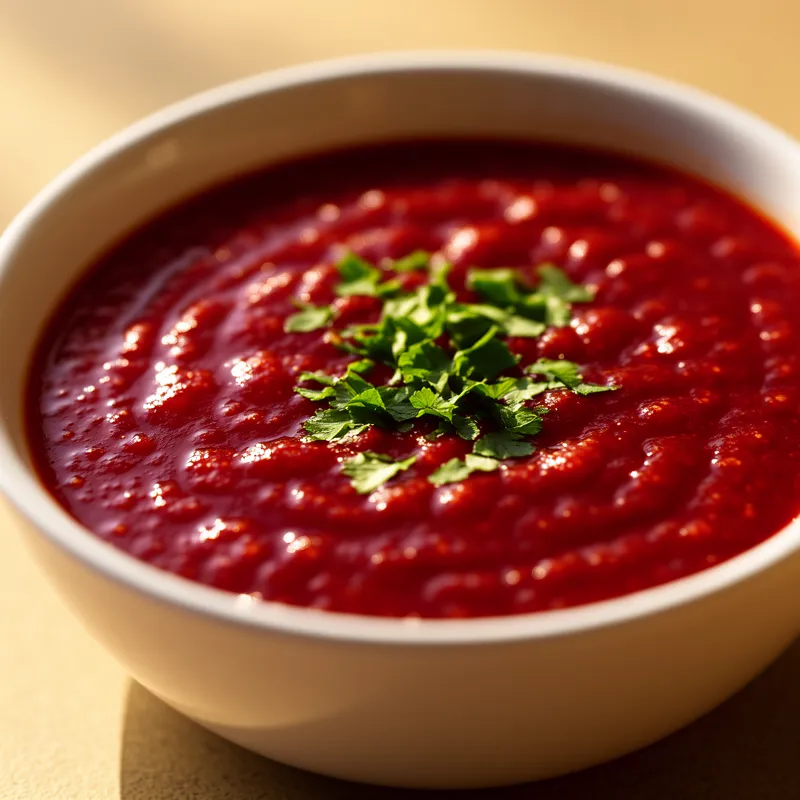 45 kcal
 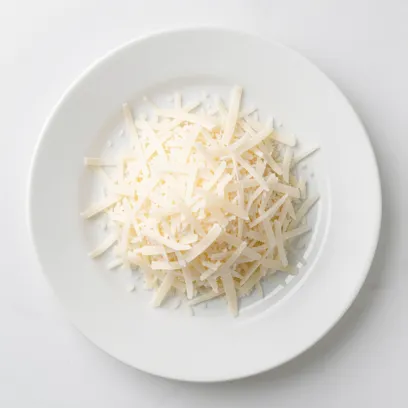 421 kcal