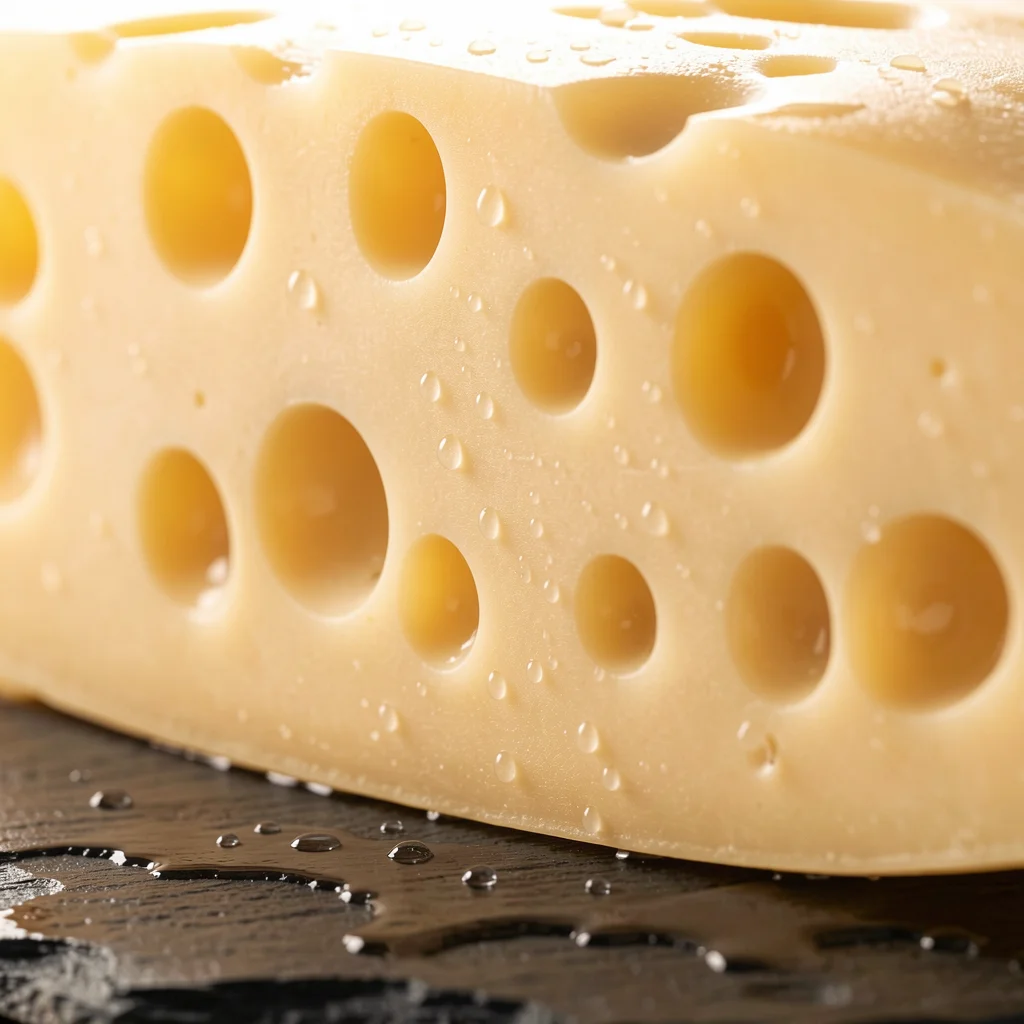
 393 kcal
 P 27g C 1.44g F 31g
Rye flour's unique baking properties come from a lack of gluten-forming proteins and an abundance of sticky polysaccharides called pentosans.
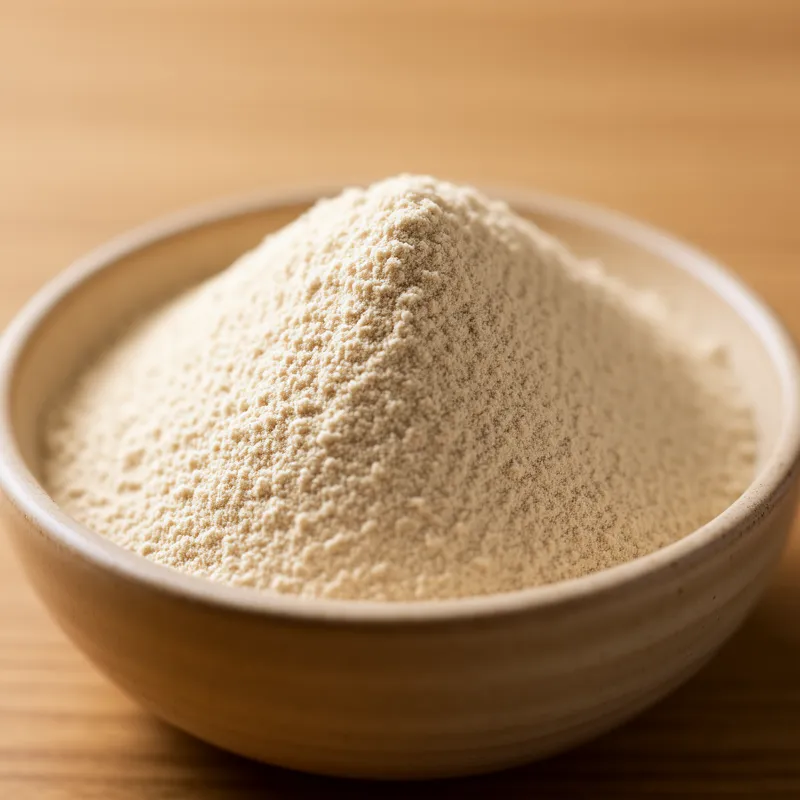
Rye flour behaves fundamentally differently from wheat flour in baking because rye proteins do not form the strong, elastic gluten networks characteristic of wheat. Instead, rye dough gets its structure and moisture-retaining capacity from pentosans—complex polysaccharides, primarily arabinoxylans, which can absorb up to ten times their weight in water. This high pentosan content is why rye breads are characteristically dense, moist, and have a longer shelf life compared to wheat breads. Additionally, rye contains amylase enzymes that remain active at higher temperatures during baking, breaking down starches into sugars. In traditional rye baking, bakers use a sourdough starter to lower the pH of the dough. This acidity is crucial because it inhibits the amylase enzymes, preventing the bread from collapsing into a gummy, unstructured paste during the baking process. The sourdough process also unlocks phytase, an enzyme that breaks down phytic acid, improving the bioavailability of minerals like iron and zinc found in the rye bran.
When baking with rye flour, blend it with wheat flour if you want a lighter, higher-rising loaf, or use it alone for dense, traditional pumpernickel. Always mix rye flour with a sourdough starter or an acidic addition like vinegar to inhibit excess amylase activity and prevent a gummy texture. Store rye flour in an airtight container in a cool, dark place to preserve its natural oils and prevent rancidity, or refrigerate it for long-term storage.
Per 100g — daily values based on a 2,000 calorie diet
CalRay's AI recognizes flour and hundreds of thousands of other foods from a photo. No manual lookup needed.
Flour, rye contains 360 calories per 100g. A standard serving of 1 RACC (30g) provides 108 calories. It is relatively calorie-dense, so portion control is important.
Flour, rye provides 8.4g of protein per 100g, which is 17% of the 50g daily recommended value. It is not a primary protein source.
Flour, rye contains 77.2g of carbohydrates per 100g . It also provides 13.7g of dietary fiber.
Flour, rye has 360 kcal per 100g, so portions need to be monitored on a weight-loss diet. Use CalRay to track your intake accurately. Its fiber content (13.7g/100g) also promotes fullness.
The easiest way to track flour is with CalRay. Simply snap a photo of your meal and the AI will automatically identify the food and calculate calories and macros based on the estimated portion size — no manual lookup required. You can also search by name and adjust gram weight manually.
393 kcal  61 kcal
  12 kcal