 148 kcal
 P 12.4g C 0.96g F 9.96g
Quinoa flour is technically a seed powder that behaves like a grain, packing all nine essential amino acids into your baking.
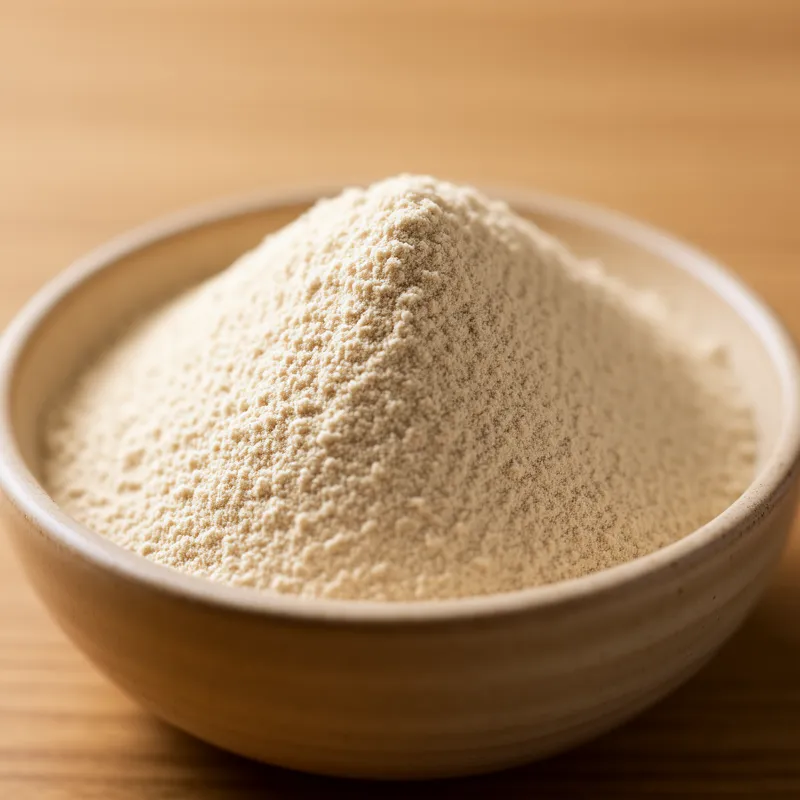
Quinoa flour comes from grinding the seeds of the Chenopodium quinoa plant, a pseudocereal rather than a true grass like wheat. Indigenous peoples of the Andean region, particularly around Lake Titicaca, have cultivated quinoa for thousands of years. A lesser-known biological detail is that the raw seeds are coated with saponins, bitter chemical compounds that act as a natural pest deterrent. Most commercial quinoa flour is produced from pre-washed seeds to remove these saponins, but unwashed homemade flour can carry an unpleasant soapy bitterness. Chemically, quinoa flour lacks gluten-forming proteins, meaning it cannot build the elastic network needed for traditional bread structures on its own. However, its protein profile is nutritionally complete, containing adequate proportions of all nine essential amino acids, including lysine, which is typically limited in true cereal grains. This makes it a biologically dense alternative for gluten-free baking, though it usually requires a binder like xanthan gum or eggs to provide structural cohesion in recipes.
Because quinoa flour lacks gluten, blend it with other gluten-free flours or use a binder like xanthan gum to prevent baked goods from crumbling. It has an earthy, slightly nutty flavor that pairs well with chocolate or spices in pancakes and muffins. Store it in an airtight container in the refrigerator to protect its natural oils from going rancid. For a nutritional boost, substitute up to 25% of wheat flour in standard recipes to add complete protein without drastically altering texture.
Per 100g — daily values based on a 2,000 calorie diet
CalRay's AI recognizes flour and hundreds of thousands of other foods from a photo. No manual lookup needed.
Flour, quinoa contains 385 calories per 100g. A standard serving of 1 RACC (30g) provides 116 calories. It is relatively calorie-dense, so portion control is important.
Flour, quinoa provides 11.9g of protein per 100g, which is 24% of the 50g daily recommended value. It is a good source of protein.
Flour, quinoa contains 69.5g of carbohydrates per 100g . It also provides 6.3g of dietary fiber.
Flour, quinoa has 385 kcal per 100g, so portions need to be monitored on a weight-loss diet. Use CalRay to track your intake accurately. Its fiber content (6.3g/100g) also promotes fullness.
The easiest way to track flour is with CalRay. Simply snap a photo of your meal and the AI will automatically identify the food and calculate calories and macros based on the estimated portion size — no manual lookup required. You can also search by name and adjust gram weight manually.
148 kcal 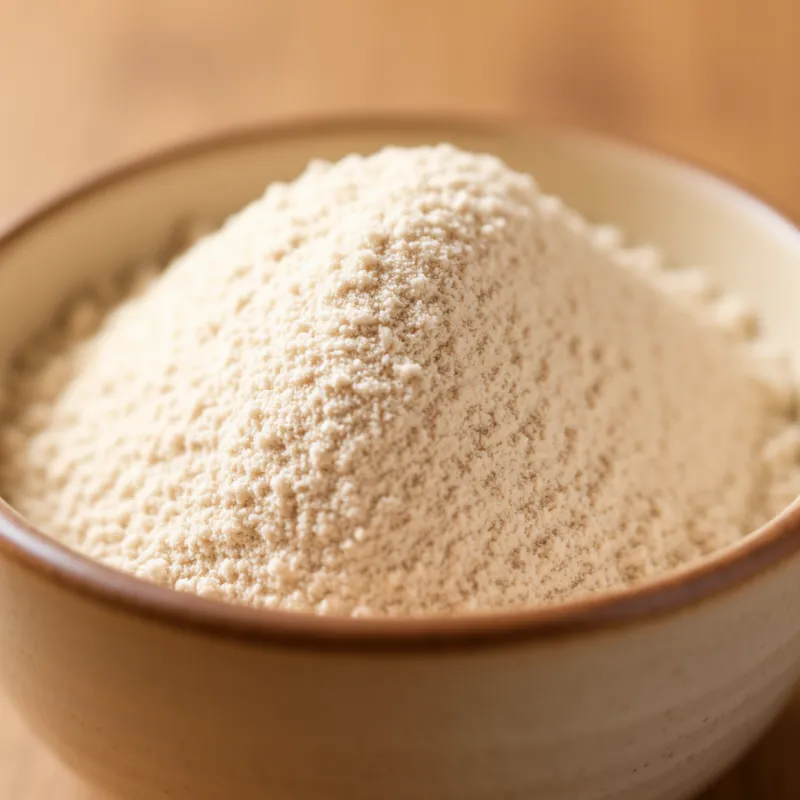 621 kcal
 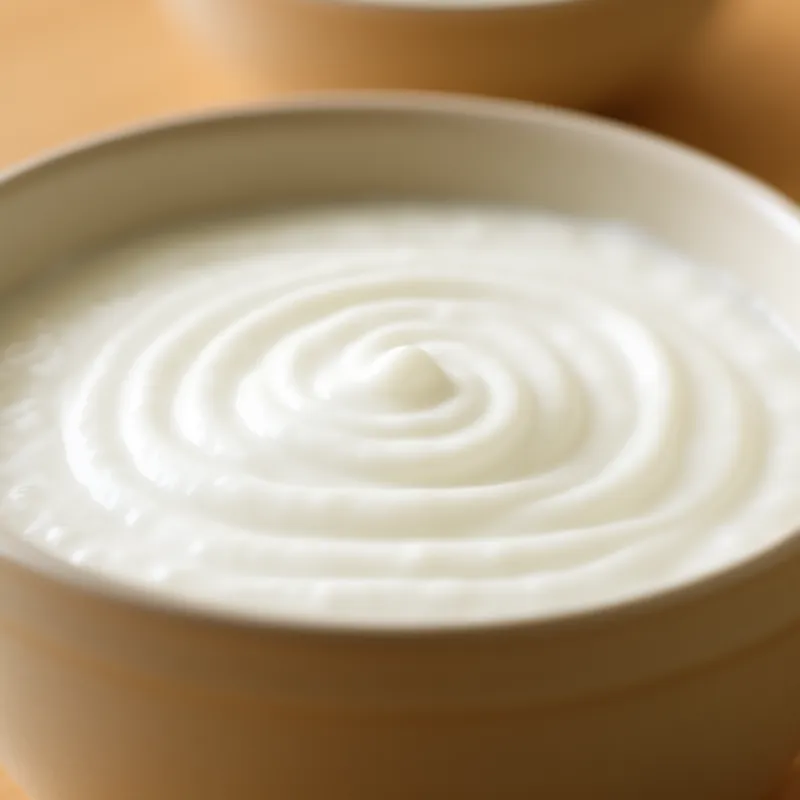 61 kcal