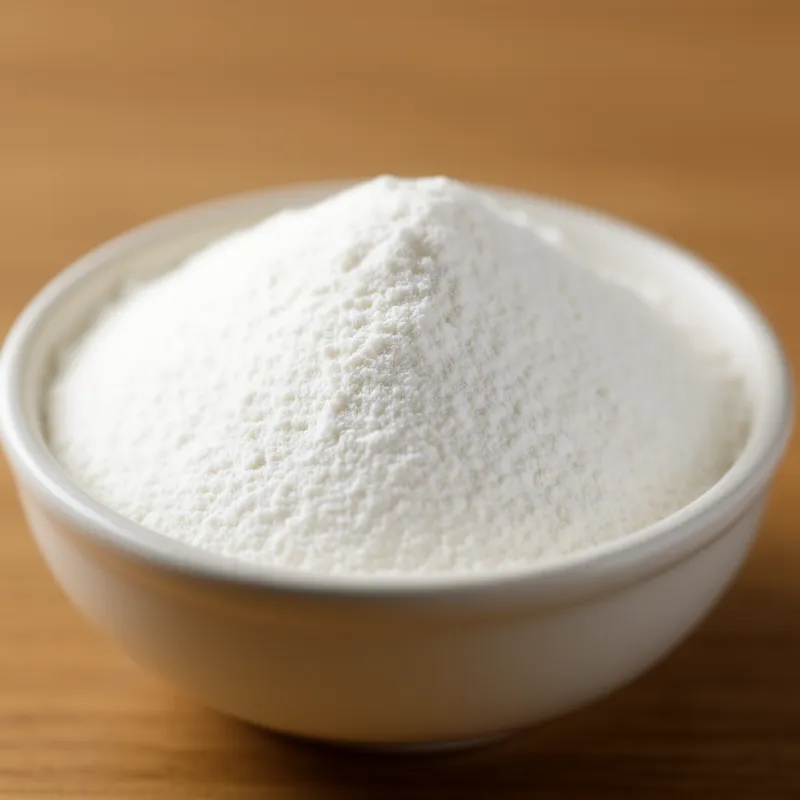
 358 kcal
 P 13.1g C 73.2g F 1.48g
Potato flour isn't just ground spuds; it's a pre-gelatinized starch bomb that absorbs massive amounts of water to create uniquely chewy textures.
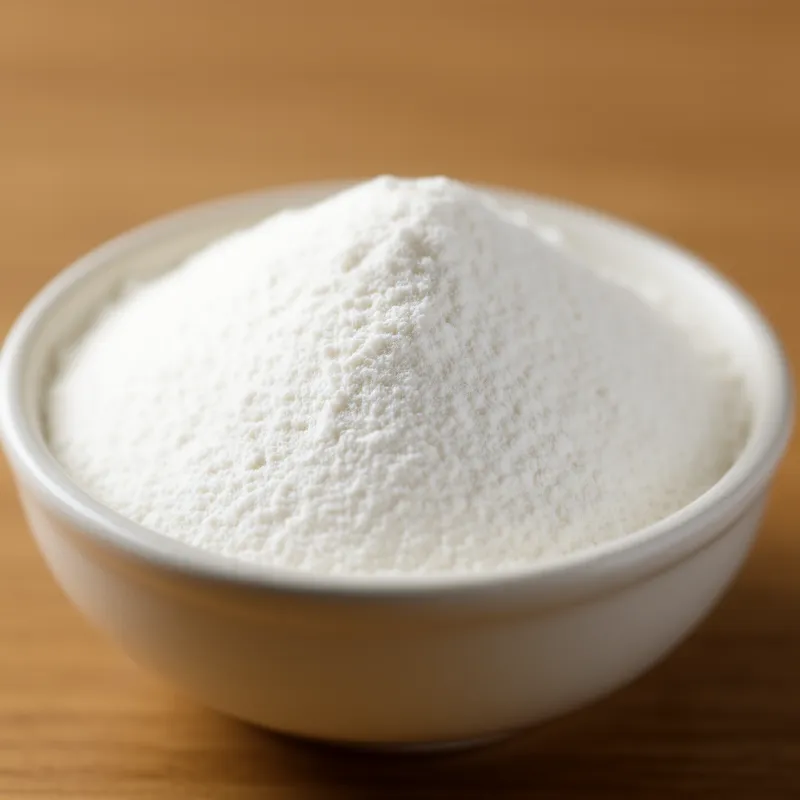
Potato flour is produced by cooking, drying, and milling whole potatoes, retaining their distinct earthy flavor and a significant amount of intact starch granules. Unlike pure potato starch, which is extracted by washing away the fiber and protein, potato flour contains the entire root. The starch granules in potatoes are among the largest of any common crop, ranging from 15 to 100 micrometers in diameter. This large granule size is exactly why potato flour swells rapidly and gels at relatively low temperatures compared to wheat or corn starches. During the commercial drying process, the starches undergo a degree of gelatinization, meaning they have already been cooked. When you add it to a batter or dough, it readily absorbs surrounding moisture, which is why it is famously used to keep baked goods moist and extend their shelf life. Additionally, because it contains natural glutamic acid, potato flour acts as a subtle flavor enhancer in breads and gravies, providing a savory depth that other alternative flours often lack.
Use potato flour sparingly in wheat bread recipes—typically replacing just 5 to 10 percent of the total flour—to significantly boost moisture and soften the crumb. Because it is pre-gelatinized, it acts as a powerful thickener for gravies and soups; whisk it into cool liquids first to prevent clumping. For gluten-free baking, blend it with lighter flours like rice or oat, as using it exclusively will yield a dense, gummy texture. Store it in an airtight container in a cool, dark pantry to prevent it from absorbing ambient humidity.
Per 100g — daily values based on a 2,000 calorie diet
CalRay's AI recognizes flour and hundreds of thousands of other foods from a photo. No manual lookup needed.
Flour, potato contains 361 calories per 100g. A standard serving of 1 RACC (85g) provides 307 calories. It is relatively calorie-dense, so portion control is important.
Flour, potato provides 8.11g of protein per 100g, which is 16% of the 50g daily recommended value. It is not a primary protein source.
Flour, potato contains 79.9g of carbohydrates per 100g . It also provides 5.4g of dietary fiber.
Flour, potato has 361 kcal per 100g, so portions need to be monitored on a weight-loss diet. Use CalRay to track your intake accurately. Its fiber content (5.4g/100g) also promotes fullness.
The easiest way to track flour is with CalRay. Simply snap a photo of your meal and the AI will automatically identify the food and calculate calories and macros based on the estimated portion size — no manual lookup required. You can also search by name and adjust gram weight manually.
358 kcal 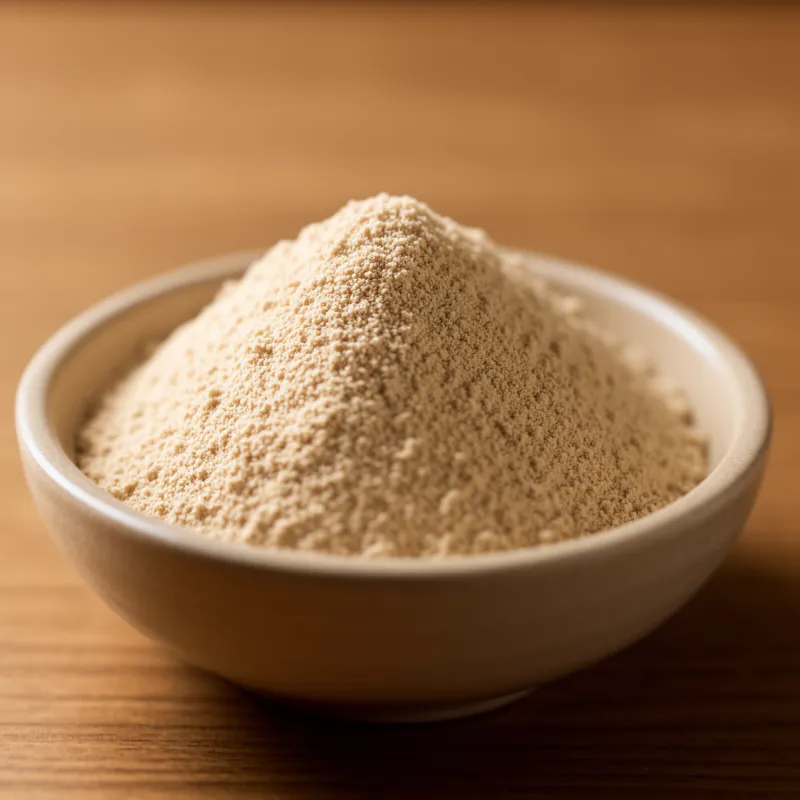 365 kcal
  166 kcal