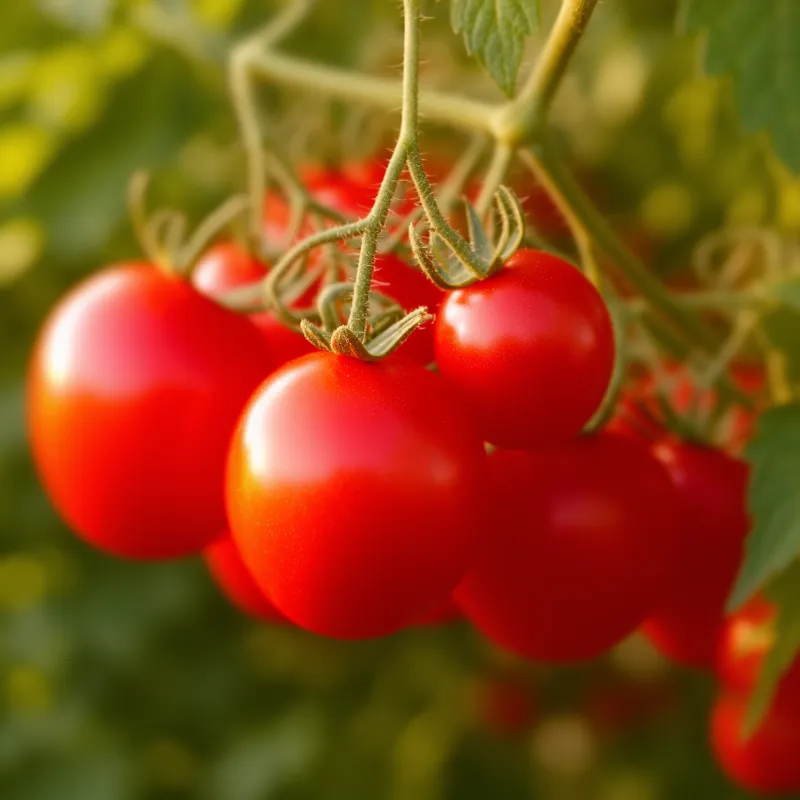
 27 kcal
 P 0.83g C 5.51g F 0.63g
The swim bladder of the Atlantic cod was historically harvested to make isinglass, a collagen used to clarify beer and wine.
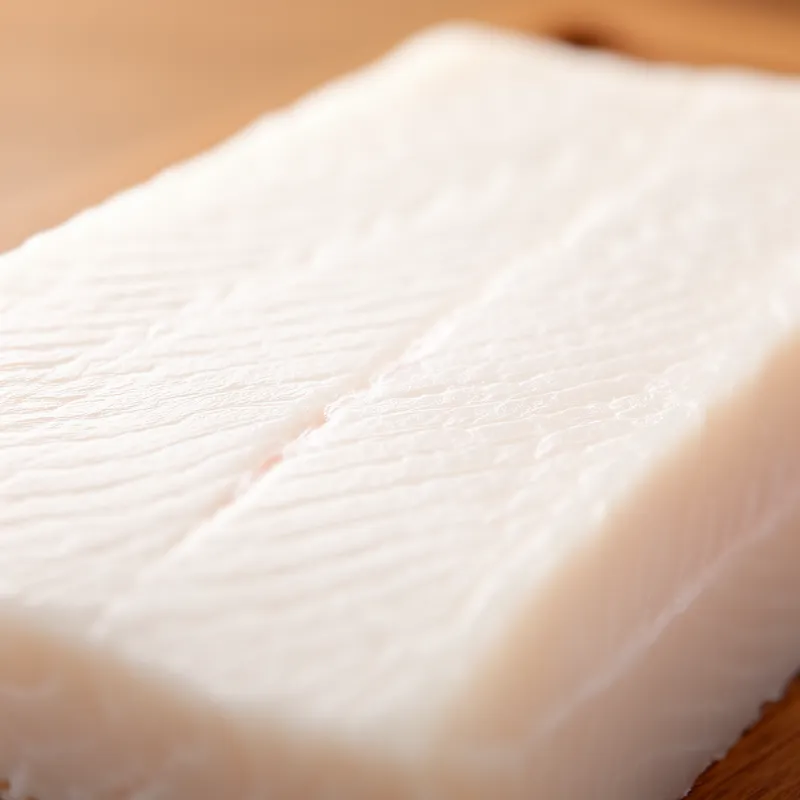
Atlantic cod is exceptionally lean, storing its fat primarily in the liver rather than in the muscle tissue. This biological adaptation is why the flesh contains less than 1 gram of fat per 100 grams, while the liver is famously rich in lipids, historically harvested to produce cod liver oil. The liver's high omega-3 content and vitamins A and D made it a vital supplement in northern climates long before modern nutritional science. Furthermore, the cod's swim bladder contains a form of collagen known as isinglass. For centuries, this collagen was extracted, dried, and used as a fining agent in the brewing and winemaking industries to clarify beverages by binding to suspended particles and dragging them to the bottom. Because the muscle itself is so low in fat, Atlantic cod has a delicate, flaky texture that dries out quickly if overcooked. Its historical abundance shaped global trade routes, with salted and dried cod becoming a staple that fueled transatlantic exploration and sustained populations through long winters.
Because Atlantic cod is so lean, it cooks very quickly and can dry out if left on heat too long. Bake, poach, or pan-sear fillets for just 10 to 12 minutes per inch of thickness. Poaching in a flavorful broth keeps the flesh moist without adding fat. Pair cod with vitamin C-rich foods like tomatoes or bell peppers to aid the absorption of iron from the fish, and add a drizzle of olive oil to boost fat-soluble vitamin absorption since the flesh itself contains almost no fat.
Per 100g — daily values based on a 2,000 calorie diet
CalRay's AI recognizes fish cod and hundreds of thousands of other foods from a photo. No manual lookup needed.
Fish cod, Atlantic, wild caught contains 70 calories per 100g. A standard serving of 1 RACC (115g) provides 81 calories. It is a moderate-calorie food that can fit into most healthy diets.
Fish cod, Atlantic, wild caught provides 16.1g of protein per 100g, which is 32% of the 50g daily recommended value. It is a good source of protein.
Fish cod, Atlantic, wild caught contains 0g of carbohydrates per 100g .
Fish cod, Atlantic, wild caught has 70 kcal per 100g, which is relatively moderate. It can fit into a weight-loss diet as long as portion sizes are managed. Its high protein content (16.1g/100g) helps with satiety.
The easiest way to track fish cod is with CalRay. Simply snap a photo of your meal and the AI will automatically identify the food and calculate calories and macros based on the estimated portion size — no manual lookup required. You can also search by name and adjust gram weight manually.
27 kcal 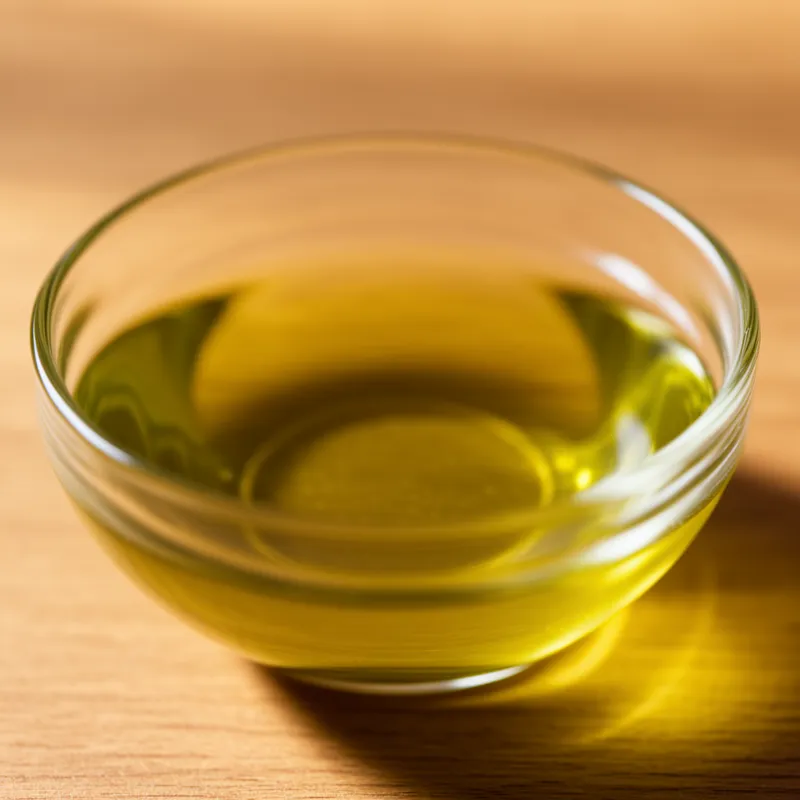 884 kcal
 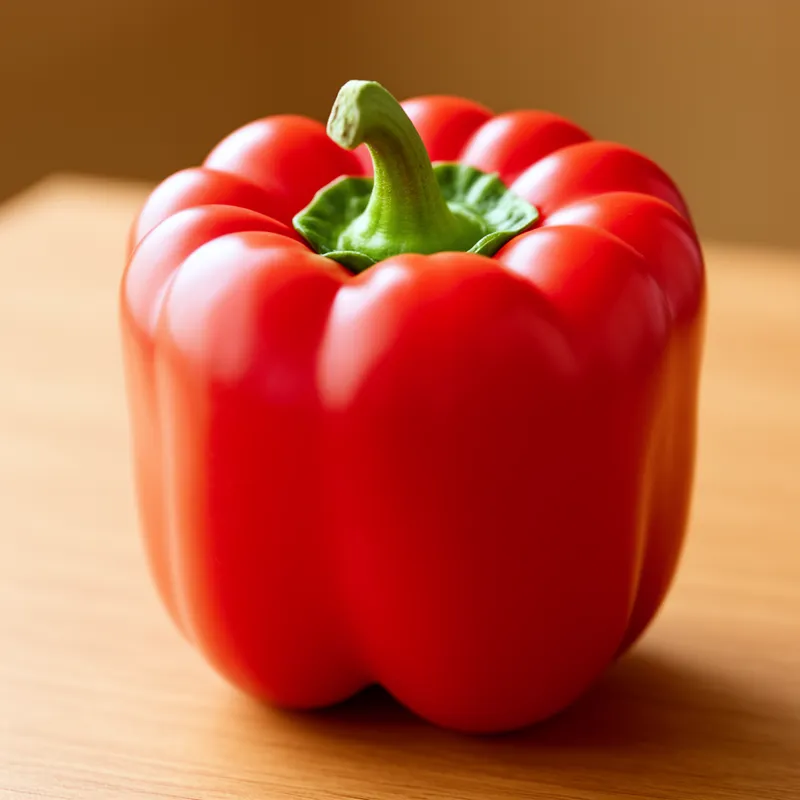 31 kcal