 28 kcal
 P 2.91g C 2.64g F 0.6g
The yolk holds nearly all of an egg's vitamins, including the entire supply of fat-soluble vitamins A, D, E, and K.
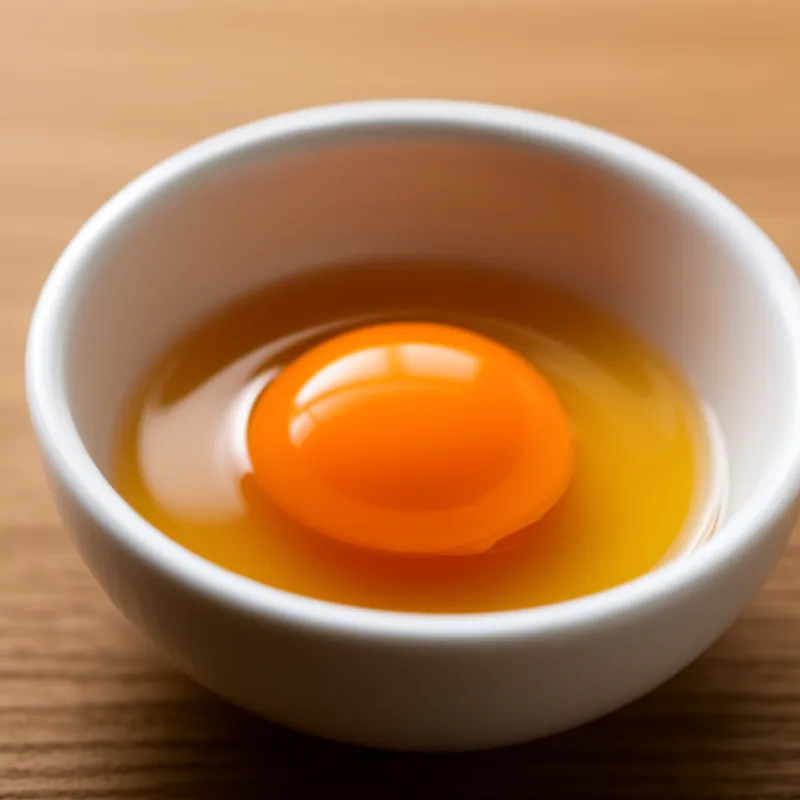
The vibrant yellow-to-orange color of an egg yolk comes from carotenoids, specifically lutein and zeaxanthin, which the hen deposits into the yolk as it develops. These compounds are the same pigments found in dark leafy greens and marigold petals, which is why pasture-raised hens eating diets rich in these plants produce darker yolks. Chemically, the yolk is a complex oil-in-water emulsion where lipoproteins act as emulsifiers, most notably lecithin. This phospholipid is what makes egg yolks indispensable in culinary applications like mayonnaise and hollandaise, as it binds oil and water together to create a stable, thick emulsion. The yolk forms in the hen's ovary over roughly 10 days, accumulating nutrients layer by layer, which is why a single yolk can contain all the cholesterol, fat, and micronutrients needed to sustain a developing chick embryo. The white, by contrast, is mostly water and protein, serving primarily as a protective cushion and hydration source for the growing embryo.
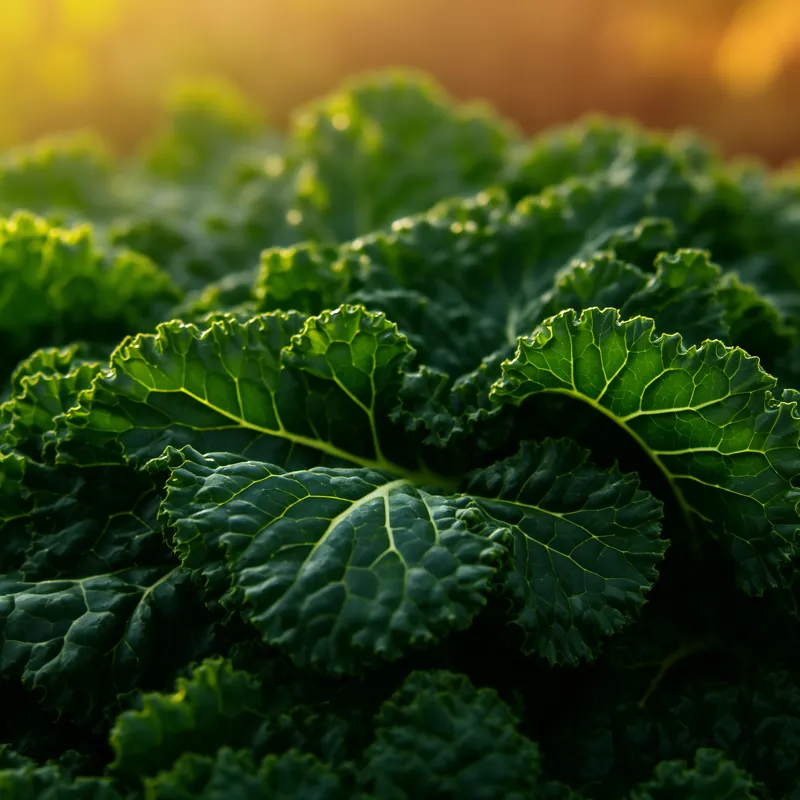
When separating yolks for recipes like custards or aioli, save the whites for later use, as yolks cannot be whipped into a foam. To store leftover yolks safely, cover them tightly with water in an airtight container and refrigerate for up to two days; the water prevents a skin from forming and keeps them from drying out. For nutritional balance, pair yolks with fiber-rich vegetables like spinach or kale to slow fat absorption and add missing vitamins.
Per 100g — daily values based on a 2,000 calorie diet
CalRay's AI recognizes eggs and hundreds of thousands of other foods from a photo. No manual lookup needed.
Eggs, Grade A, Large, egg yolk contains 334 calories per 100g. A standard serving of 1 egg (17g) provides 57 calories. It is relatively calorie-dense, so portion control is important.
Eggs, Grade A, Large, egg yolk provides 16.2g of protein per 100g, which is 32% of the 50g daily recommended value. It is a good source of protein.
Eggs, Grade A, Large, egg yolk contains 1.02g of carbohydrates per 100g .
Eggs, Grade A, Large, egg yolk has 334 kcal per 100g, so portions need to be monitored on a weight-loss diet. Use CalRay to track your intake accurately. Its high protein content (16.2g/100g) helps with satiety.
The easiest way to track eggs is with CalRay. Simply snap a photo of your meal and the AI will automatically identify the food and calculate calories and macros based on the estimated portion size — no manual lookup required. You can also search by name and adjust gram weight manually.
28 kcal  884 kcal
  35 kcal