 620 kcal
 P 20.4g C 16.2g F 57.8g
This tart beverage contains unique plant compounds that physically stop bacteria from clinging to urinary tract walls.
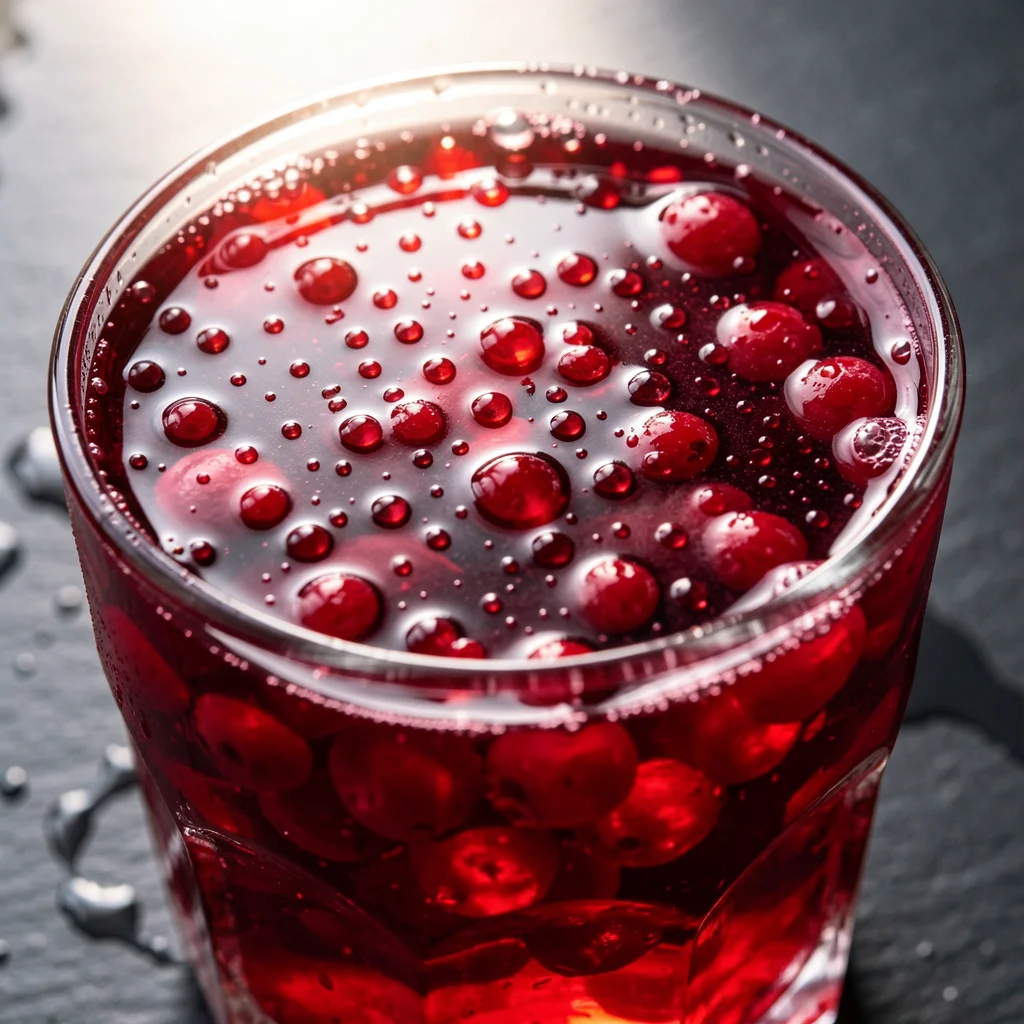
Cranberry juice is famous for its association with urinary tract health, but the underlying chemistry is often misunderstood. The effect is not about making urine more acidic, as was once commonly believed. Instead, it comes from a specific class of flavonoids called A-type proanthocyanidins (PACs). These compounds possess an unusual double-linkage structure that is rare in most other foods. When consumed, these PACs act as a chemical shield. They bind to the tiny, hair-like appendages (fimbriae) on the surface of Escherichia coli bacteria, which are the primary culprits behind urinary tract infections. By altering the shape and function of these fimbriae, the PACs prevent the bacteria from adhering to the lining of the urinary tract. Unable to stick, the bacteria are simply flushed out by normal urination. This anti-adhesion mechanism is highly specific to the A-type linkage; the more common B-type proanthocyanidins found in foods like chocolate or apples do not have the same effect. Because cranberries are exceptionally tart, juice from concentrate is often diluted or sweetened, but even the unsweetened versions retain these distinctive, bacteria-repelling phytochemicals.
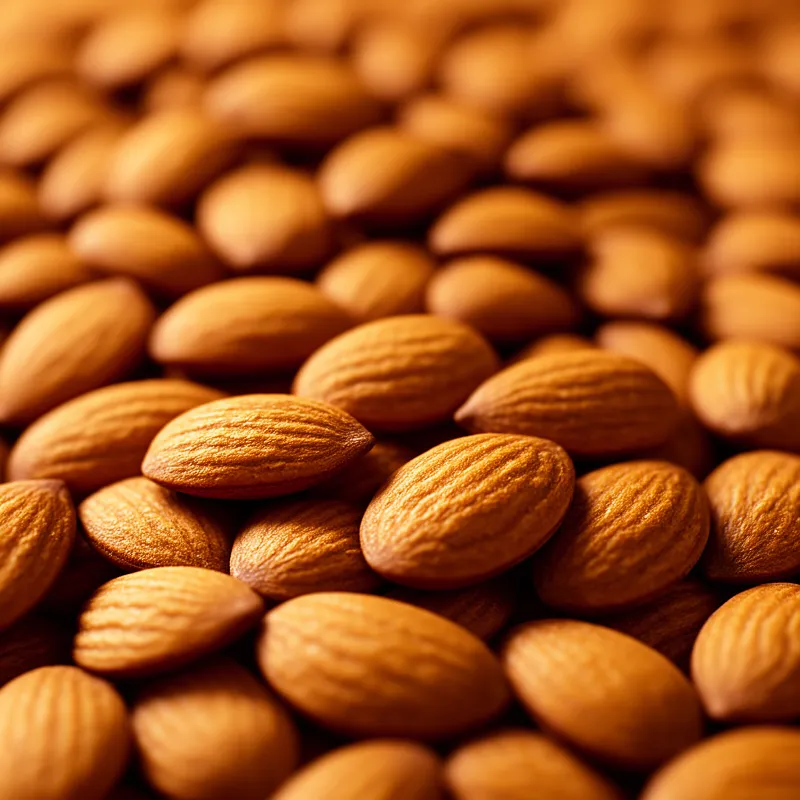
Because unfortified cranberry juice from concentrate is quite tart and low in natural sugars, it works best as a mixer rather than a standalone beverage. Try blending it with sparkling water and a squeeze of lime for a low-calorie spritzer. Nutritionally, pairing it with a source of healthy fats or proteins, like a handful of roasted almonds, can help stabilize blood sugar absorption, since the juice itself contains minimal fiber or protein to slow down its natural carbohydrates. Keep it refrigerated after opening to preserve its delicate phytochemicals.
Per 100g — daily values based on a 2,000 calorie diet
CalRay's AI recognizes cranberry juice and hundreds of thousands of other foods from a photo. No manual lookup needed.
Cranberry juice, not fortified, from concentrate contains 32 calories per 100g. It is considered a very low-calorie food (under 50 kcal/100g), making it excellent for weight management.
Cranberry juice, not fortified, from concentrate provides 0g of protein per 100g, which is 0% of the 50g daily recommended value. It is not a primary protein source.
Cranberry juice, not fortified, from concentrate contains 7.26g of carbohydrates per 100g .
Yes! Cranberry juice, not fortified, from concentrate is very low in calories (32 kcal/100g) and can be eaten in generous portions even on a calorie-restricted diet.
The easiest way to track cranberry juice is with CalRay. Simply snap a photo of your meal and the AI will automatically identify the food and calculate calories and macros based on the estimated portion size — no manual lookup required. You can also search by name and adjust gram weight manually.
620 kcal  156 kcal
  27 kcal