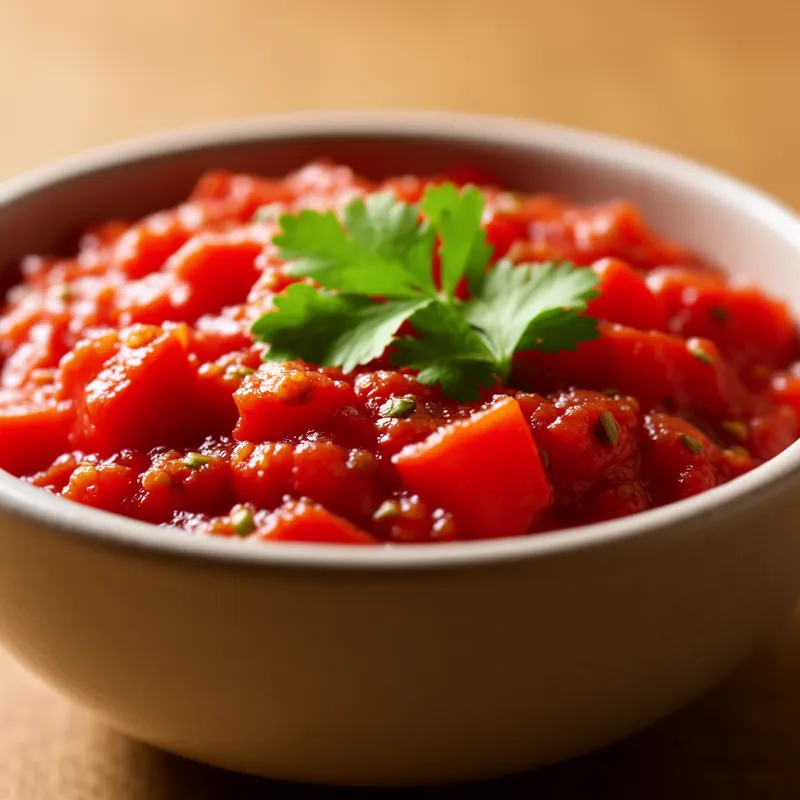
 29 kcal
 P 1.44g C 6.74g F 0.19g
California's original melting cheese was popularized by a shrewd businessman who stamped his name on it.
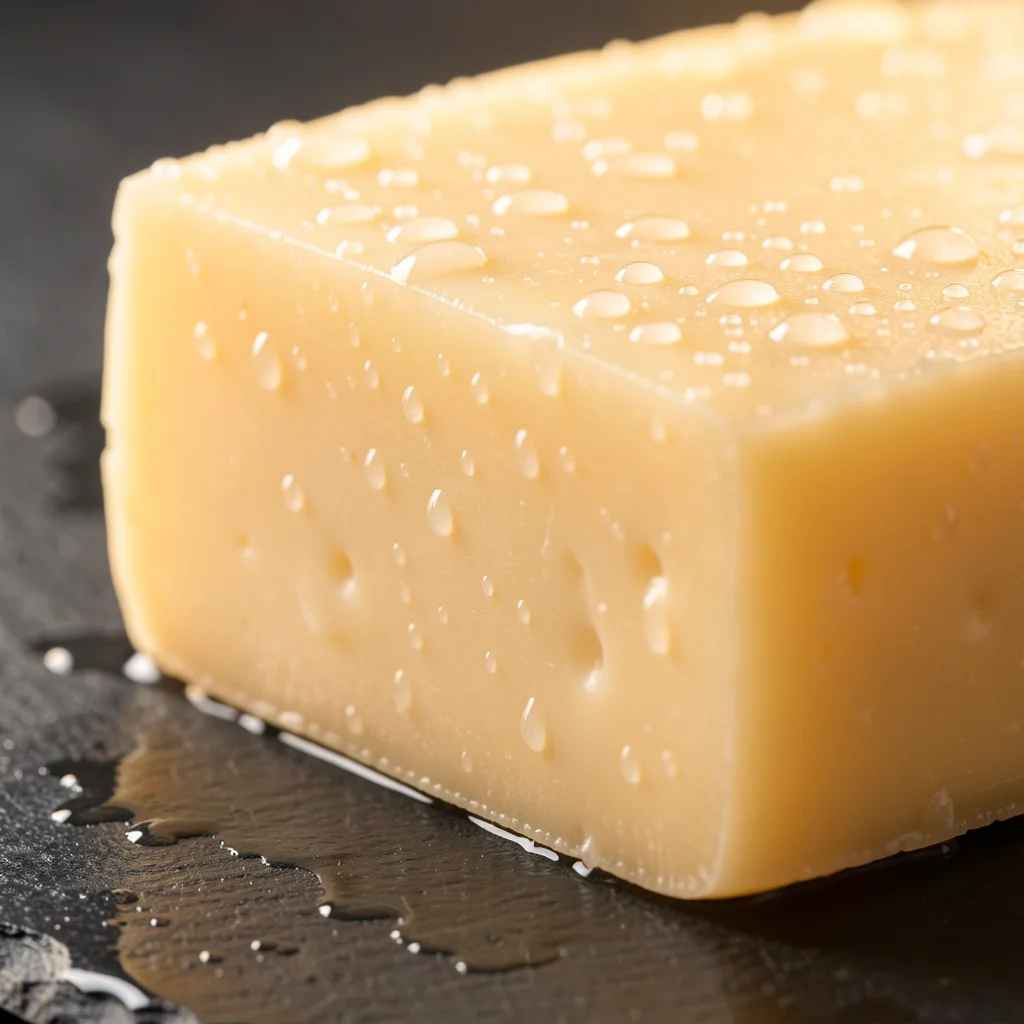
Monterey Jack traces its origins to the Franciscan friars who established missions in 18th-century California, crafting a semi-soft cow's milk cheese. In the 1880s, entrepreneur David Jacks began commercially producing this local cheese in Monterey County, eventually lending his name to the product. Beyond its history, the cheese's celebrated meltability is a matter of food chemistry. Monterey Jack is typically aged for only one to six months, retaining a relatively high moisture content. This water acts as a plasticizer within the cheese matrix. Additionally, the cheese is produced to reach a pH near the isoelectric point of casein proteins, roughly 5.2 to 5.4. At this pH, the protein structure is sufficiently weakened to allow the fat and protein to flow smoothly and evenly when heated. Unlike aged, lower-moisture cheeses that separate into a greasy pool and rubbery solids when melted, Monterey Jack's specific moisture and pH profile ensures a cohesive, creamy melt. This is why it remains a foundational cheese in Mexican-American cuisine, particularly in quesadillas and nachos.
Because of its high moisture and fat content, Monterey Jack melts seamlessly, making it ideal for grilled cheese, quesadillas, or baked casseroles. To balance its rich, high-fat profile, pair it with acidic or high-fiber foods like fresh tomatoes or jalapeños, which cut through the richness and aid digestion. Store it tightly wrapped in the refrigerator to prevent moisture loss and mold, and grate it cold for the most even melting distribution over hot dishes.
Per 100g — daily values based on a 2,000 calorie diet
CalRay's AI recognizes cheese and hundreds of thousands of other foods from a photo. No manual lookup needed.
Cheese, monterey jack, solid contains 391 calories per 100g. A standard serving of 1 RACC (30g) provides 117 calories. It is relatively calorie-dense, so portion control is important.
Cheese, monterey jack, solid provides 22.6g of protein per 100g, which is 45% of the 50g daily recommended value. It is an excellent source of protein.
Cheese, monterey jack, solid contains 1.9g of carbohydrates per 100g .
Cheese, monterey jack, solid has 391 kcal per 100g, so portions need to be monitored on a weight-loss diet. Use CalRay to track your intake accurately. Its high protein content (22.6g/100g) helps with satiety.
The easiest way to track cheese is with CalRay. Simply snap a photo of your meal and the AI will automatically identify the food and calculate calories and macros based on the estimated portion size — no manual lookup required. You can also search by name and adjust gram weight manually.
29 kcal 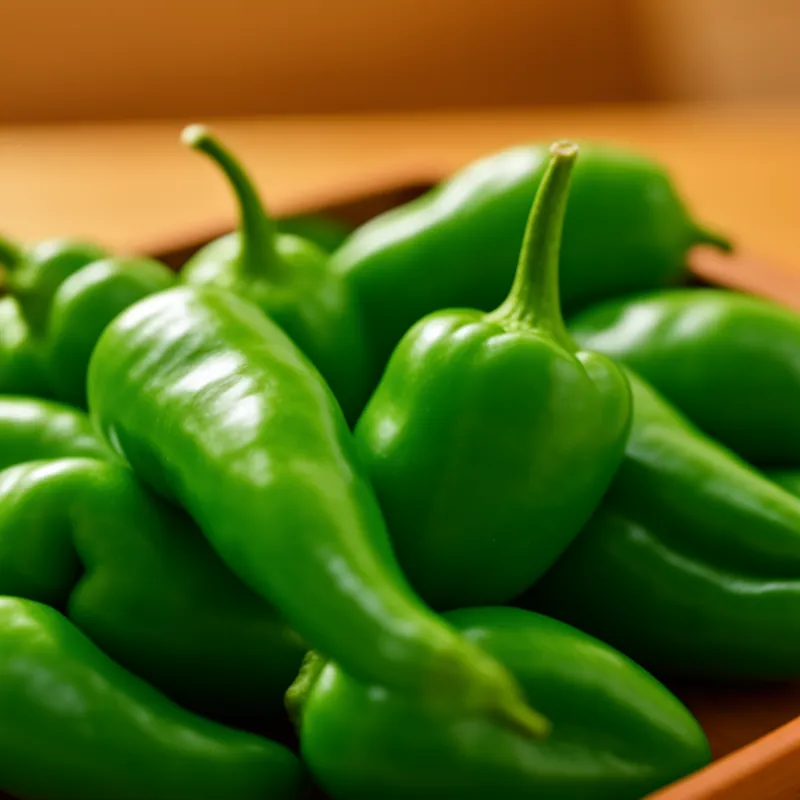 24 kcal
 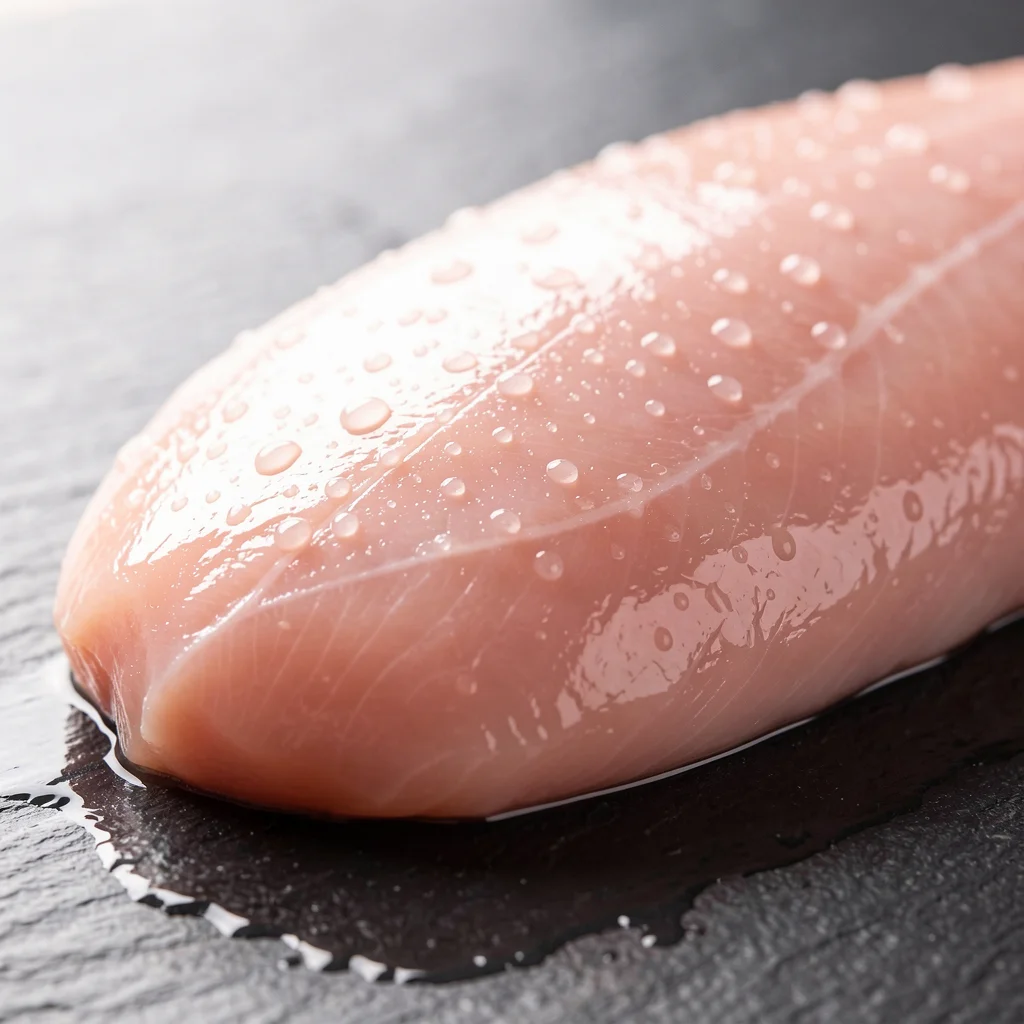 107 kcal