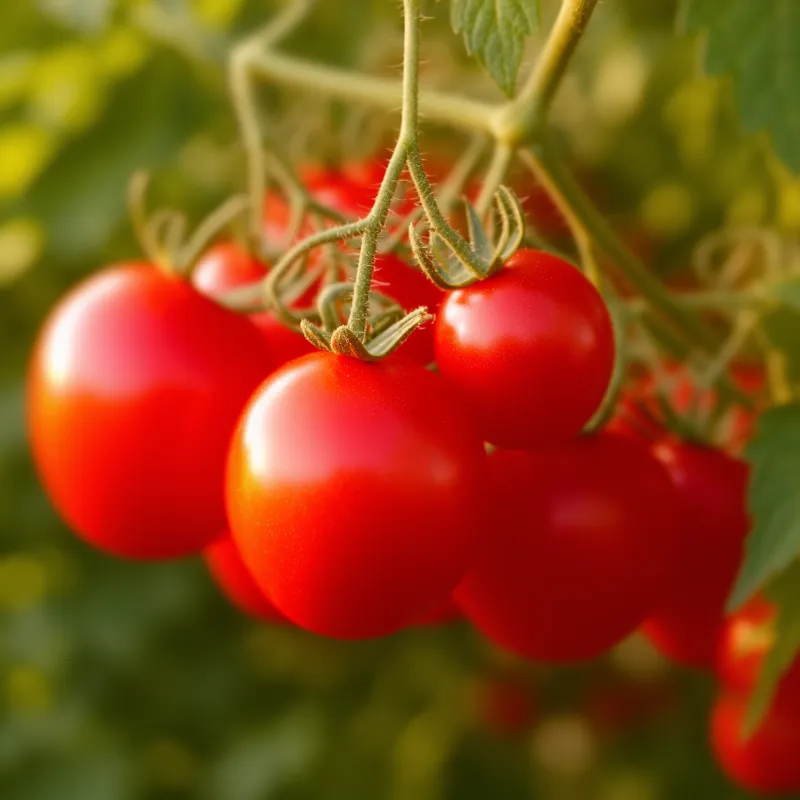
 27 kcal
 P 0.83g C 5.51g F 0.63g
Despite the name, blackeye peas are actually beans, and their signature black spot is the attachment point where the seed connected to its pod.
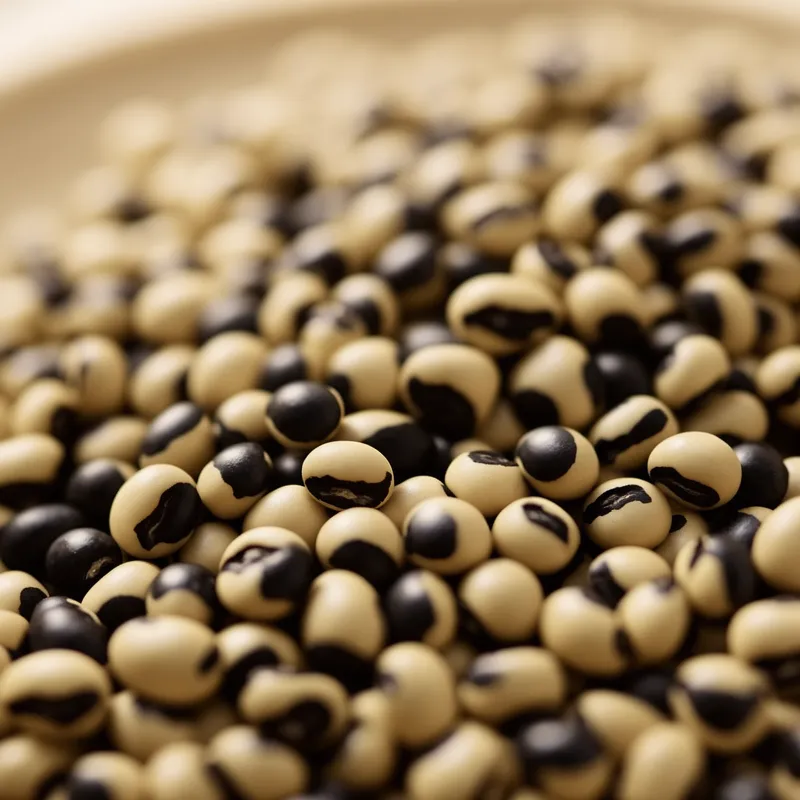
Blackeye peas (Vigna unguiculata) are native to Africa and were domesticated thousands of years ago before arriving in the American South via the transatlantic slave trade. One of their most fascinating biological traits is their ability to fix atmospheric nitrogen through a symbiotic relationship with Rhizobium bacteria in their root nodules. The plant essentially creates its own fertilizer, pulling nitrogen from the air and converting it into ammonia, which enriches the soil rather than depleting it. This made them an ideal rotation crop for early farmers. Chemically, dry blackeye peas contain oligosaccharides like raffinose and stachyose—complex sugars that humans cannot digest because we lack the enzyme alpha-galactosidase. Instead, these sugars ferment in the large intestine, which is the primary reason legumes cause digestive discomfort. Soaking the dried peas before cooking helps leach these indigestible sugars into the water, which can then be discarded, significantly improving their digestibility.
To maximize digestibility and nutrient absorption, soak dry blackeye peas in water for at least six to eight hours, then discard the soaking liquid to remove indigestible raffinose sugars. Cook them in fresh water until tender, which takes about 45 to 60 minutes. Pair them with a source of vitamin C, like diced tomatoes or bell peppers, to significantly enhance the absorption of their non-heme iron. Store dried peas in an airtight container in a cool, dark place to prevent moisture buildup and extend shelf life.
Per 100g — daily values based on a 2,000 calorie diet
CalRay's AI recognizes blackeye pea and hundreds of thousands of other foods from a photo. No manual lookup needed.
Blackeye pea, dry contains 354 calories per 100g. A standard serving of 1 RACC (35g) provides 124 calories. It is relatively calorie-dense, so portion control is important.
Blackeye pea, dry provides 21.2g of protein per 100g, which is 42% of the 50g daily recommended value. It is an excellent source of protein.
Blackeye pea, dry contains 61.8g of carbohydrates per 100g .
Blackeye pea, dry has 354 kcal per 100g, so portions need to be monitored on a weight-loss diet. Use CalRay to track your intake accurately. Its high protein content (21.2g/100g) helps with satiety.
The easiest way to track blackeye pea is with CalRay. Simply snap a photo of your meal and the AI will automatically identify the food and calculate calories and macros based on the estimated portion size — no manual lookup required. You can also search by name and adjust gram weight manually.
27 kcal  38 kcal
  884 kcal