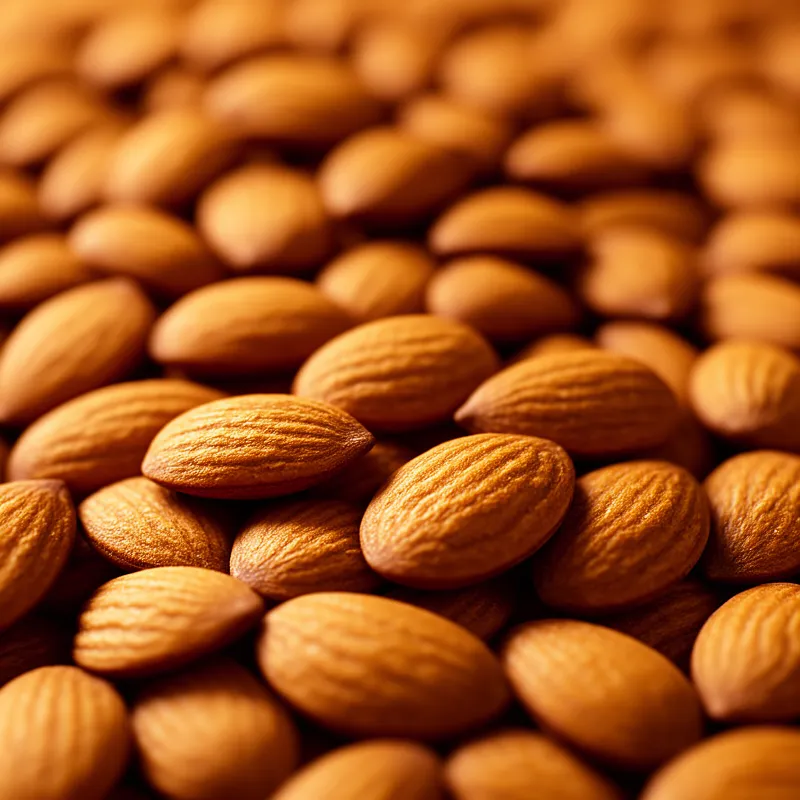
 620 kcal
P 20.4g C 16.2g F 57.8g
Most apples you've eaten descend from wild forests in Kazakhstan, not New England orchards.
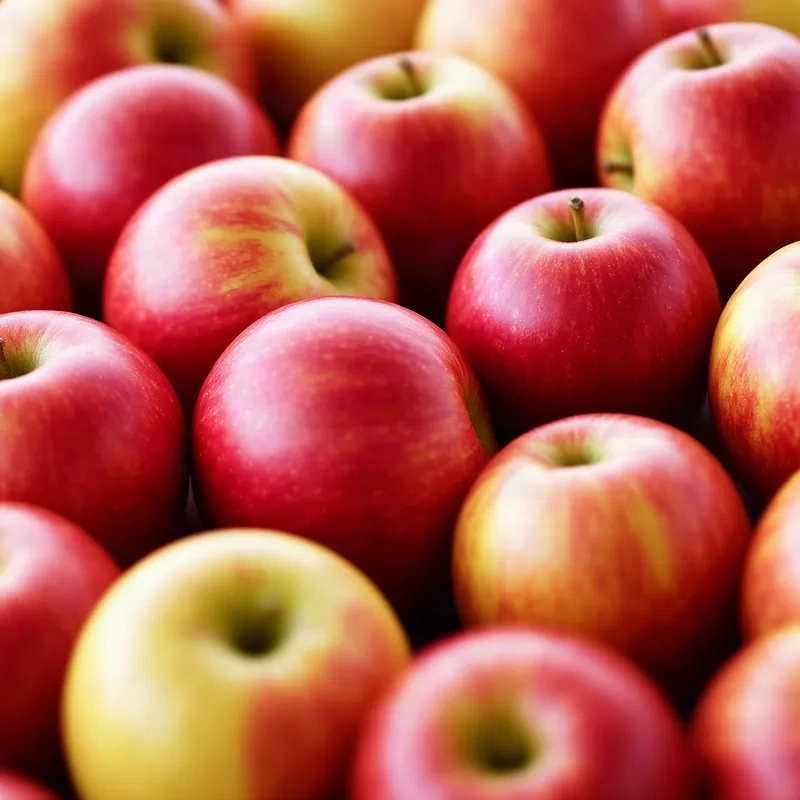
The wild ancestor of the domesticated apple—Malus sieversii—grows in the foothills of the Tian Shan mountains in Kazakhstan. Genetic studies have confirmed that cultivated apples worldwide trace back to this single species. Kazakhstan's wild apple forests still contain remarkable genetic diversity, with trees producing fruits ranging from tiny and bitter to large and sweet. The Silk Road helped spread apple seeds across Europe and Asia, where they hybridized with local crabapple species, producing the thousands of varieties we know today. John Chapman—better known as Johnny Appleseed—did plant apple trees across the American frontier in the early 1800s, but his apples were primarily used for hard cider, not eating. Before grafting became widespread, most apples grown from seed produced fruit too bitter or sour to eat raw; cider was simply the practical solution. Apples also float because they are roughly 25% air by volume—air pockets between cells keep them buoyant, which is why they bob in water.
Store apples in the refrigerator crisper—they ripen roughly ten times faster at room temperature. Leave the skin on, since most of the fiber and polyphenol antioxidants are concentrated in or just beneath the peel. Firmer varieties like Granny Smith or Honeycrisp hold their shape when cooked, while softer apples break down into sauce. Pair sliced apple with almond butter or sharp cheese; the fat and protein slow absorption of the fruit's natural sugars, softening the glycemic response.
Per 100g — daily values based on a 2,000 calorie diet
CalRay's AI recognizes apples and hundreds of thousands of other foods from a photo. No manual lookup needed.
Apples contains 52 calories per 100g. It is a moderate-calorie food that can fit into most healthy diets.
Apples provides 0.26g of protein per 100g, which is 1% of the 50g daily recommended value. It is not a primary protein source.
Apples contains 13.81g of carbohydrates per 100g .
Apples has 52 kcal per 100g, which is relatively moderate. It can fit into a weight-loss diet as long as portion sizes are managed.
The easiest way to track apples is with CalRay. Simply snap a photo of your meal and the AI will automatically identify the food and calculate calories and macros based on the estimated portion size — no manual lookup required. You can also search by name and adjust gram weight manually.
620 kcal  61 kcal
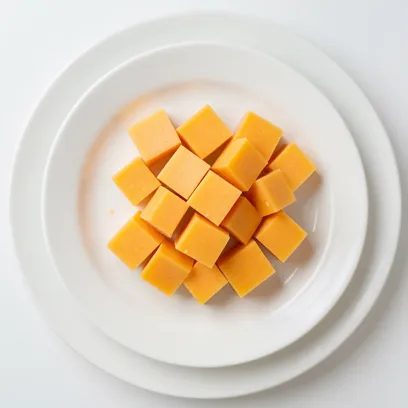 408 kcal