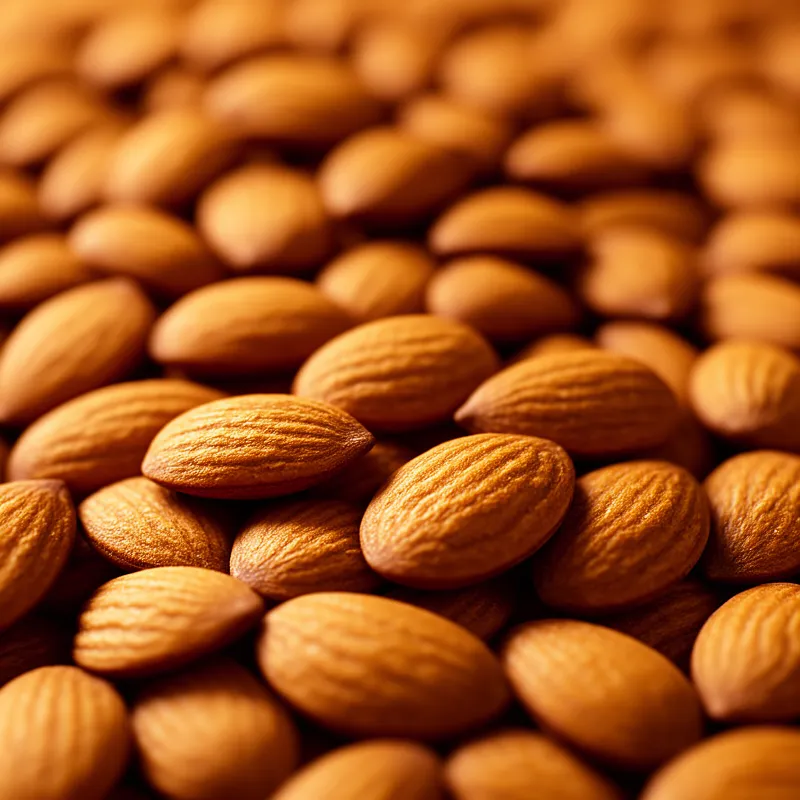
 620 kcal
P 20.4g C 16.2g F 57.8g
Every named apple variety is a genetic clone—plant its seeds and you won't get the same apple.
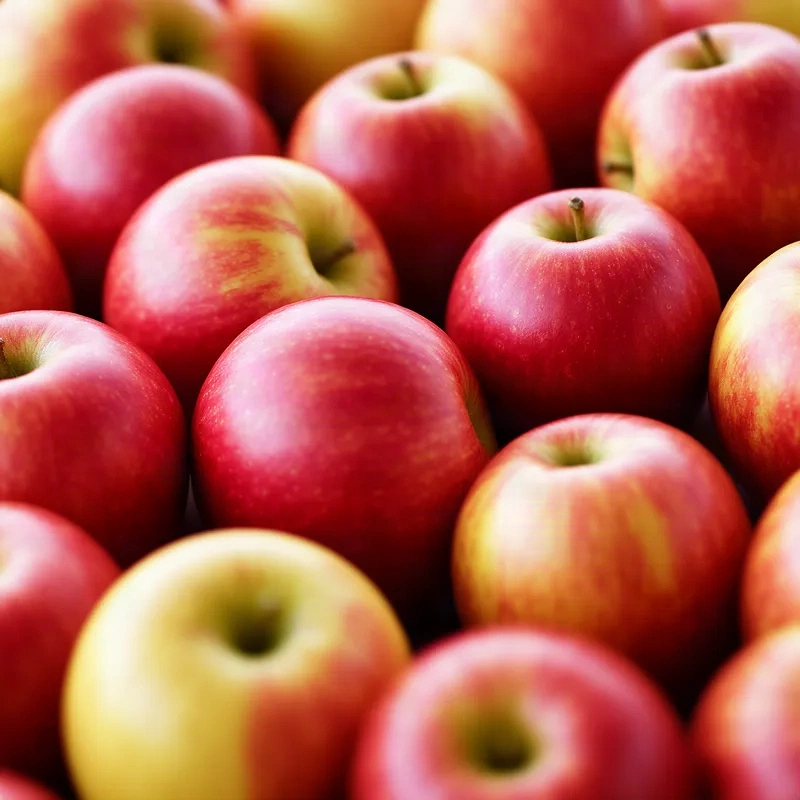
The wild ancestor of the domesticated apple, Malus sieversii, still grows in the Tian Shan mountains of Kazakhstan, and genetic studies have shown that most modern apple varieties trace their lineage to these ancient forests. Unlike many crops that can be propagated from seed, apples are extremely heterozygous: the seeds of a Honeycrisp apple will not grow into a tree that produces Honeycrisp apples. Every named apple variety is effectively a single clone, maintained through grafting onto rootstock rather than grown from seed. This is why Johnny Appleseed's legendary plantings produced mostly cider apples, not eating apples—trees grown from seed yield unpredictable, often bitter fruit. The genetic diversity within wild Malus sieversii populations gives breeders the raw material for new varieties like Honeycrisp or Cosmic Crisp. But because each cultivated apple is a genetic clone, a disease that successfully attacks one tree of a variety can potentially threaten every tree of that same variety worldwide, a vulnerability similar to what nearly wiped out the Gros Michel banana.
Store apples in the crisper drawer away from other produce unless you want to ripen it—apples release ethylene gas that accelerates softening in nearby fruits and vegetables. Pair with nut butter or cheese to add protein and fat, which slows the absorption of the fruit's sugars and reduces blood glucose spikes. The skin contains the majority of the apple's polyphenols and about half its fiber, so eating them unpeeled maximizes nutritional value.
Per 100g — daily values based on a 2,000 calorie diet
CalRay's AI recognizes apple and hundreds of thousands of other foods from a photo. No manual lookup needed.
Apple contains 52 calories per 100g. It is a moderate-calorie food that can fit into most healthy diets.
Apple provides 0.26g of protein per 100g, which is 1% of the 50g daily recommended value. It is not a primary protein source.
Apple contains 13.81g of carbohydrates per 100g .
Apple has 52 kcal per 100g, which is relatively moderate. It can fit into a weight-loss diet as long as portion sizes are managed.
The easiest way to track apple is with CalRay. Simply snap a photo of your meal and the AI will automatically identify the food and calculate calories and macros based on the estimated portion size — no manual lookup required. You can also search by name and adjust gram weight manually.
620 kcal 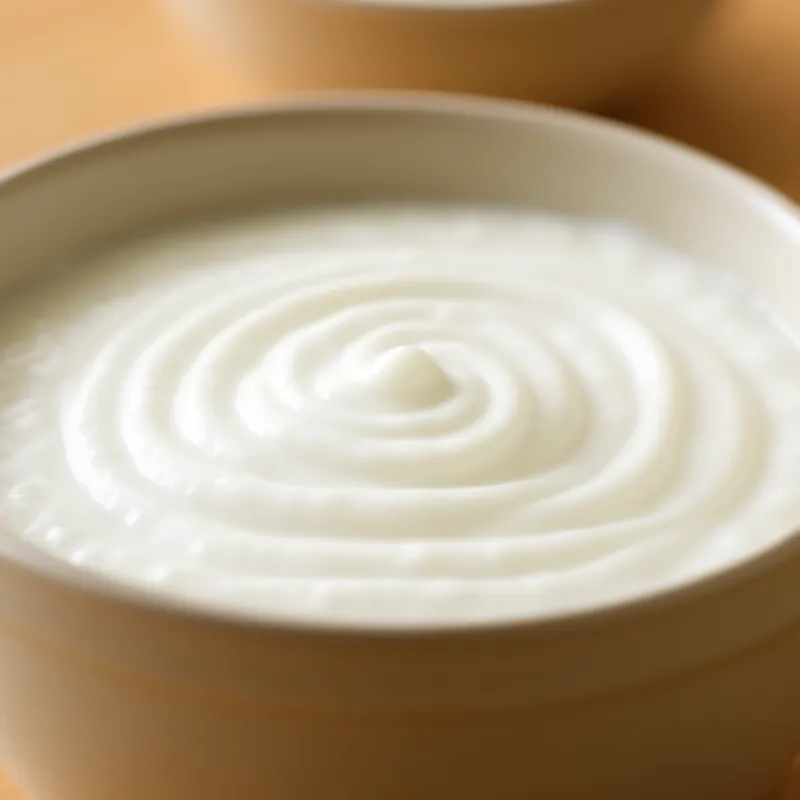 61 kcal
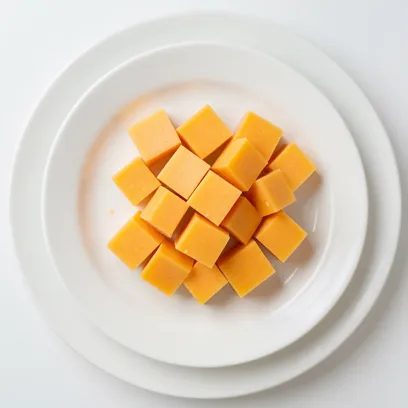 408 kcal