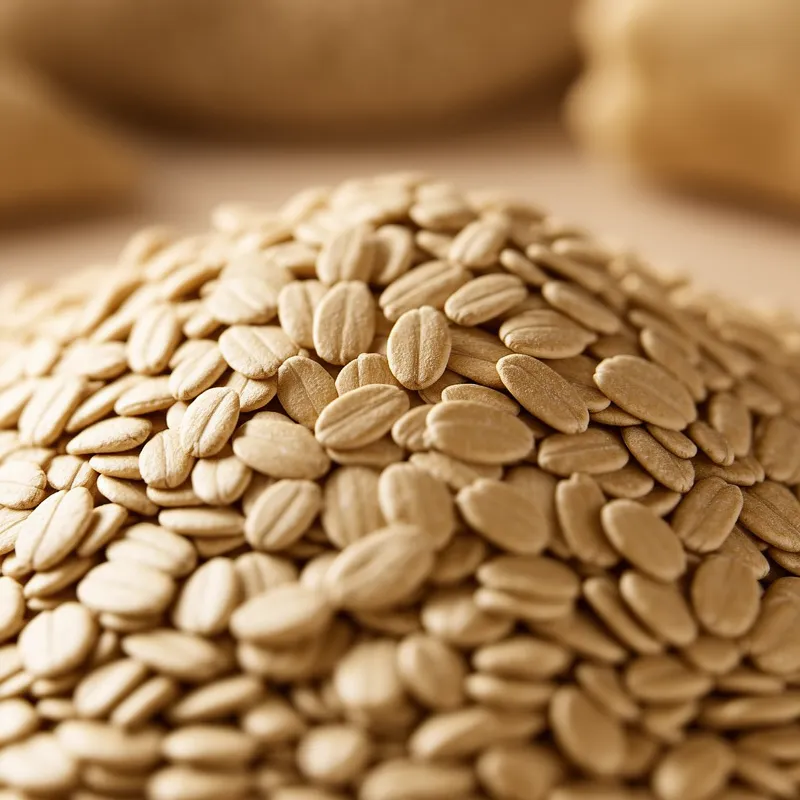
 382 kcal
 P 13.5g C 68.7g F 5.89g
Creamy almond butter delivers nearly four times the vitamin E of peanut butter, but its high oxalate content demands mindful snacking.
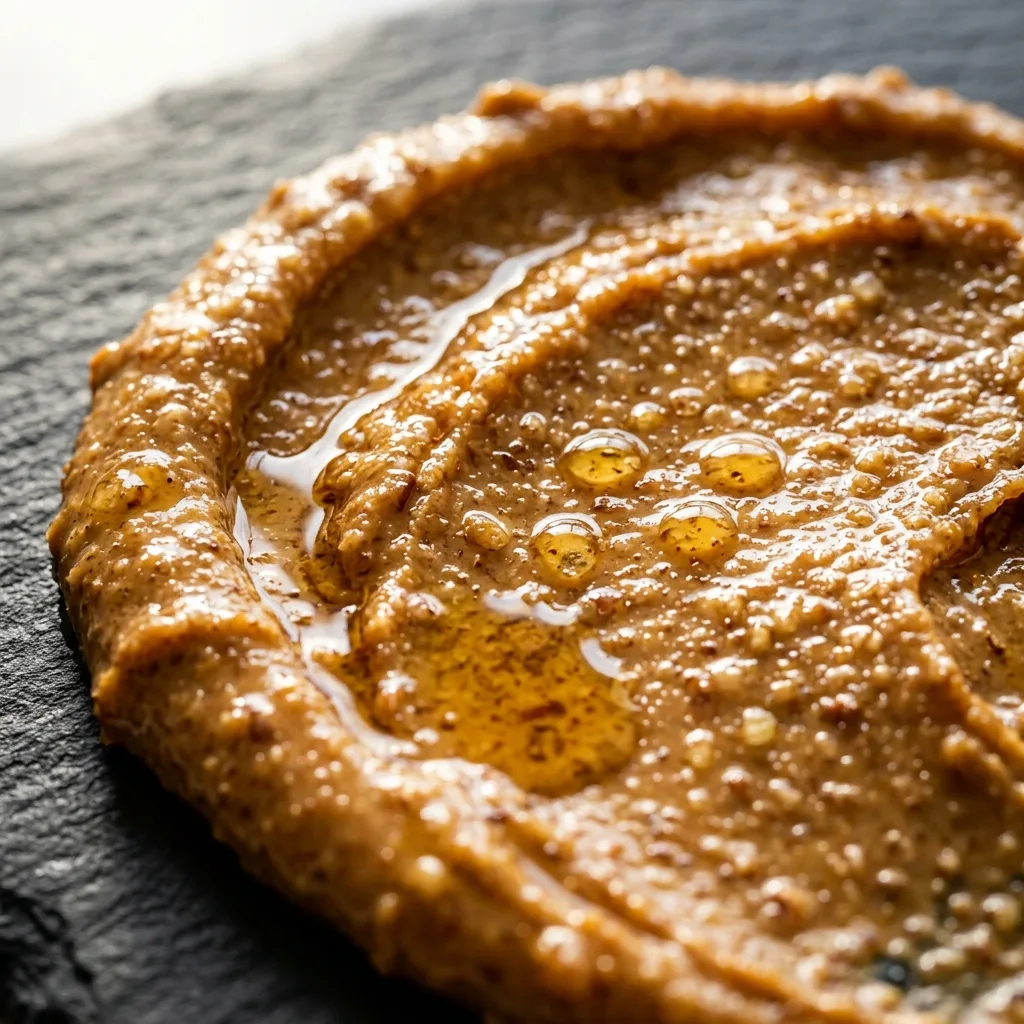
Almond butter's distinct texture and tendency to separate at room temperature stem from its specific lipid profile. Almonds are roughly 50% fat by weight, primarily monounsaturated oleic acid. When ground, the mechanical rupture of the seed's cell walls releases these lipids, which form a continuous fluid matrix suspending fine protein and carbohydrate particles. Because almond oil remains liquid at cooler temperatures than the fats found in peanuts, natural almond butter lacks the structural rigidity to keep the solids evenly distributed, causing the oil to pool at the top. Commercially, this is sometimes mitigated by adding palm oil or hydrogenated fats, but a pure creamy almond butter will always separate. Additionally, raw almonds contain amygdalin, a cyanogenic glycoside that can release cyanide when metabolized. However, the blanching and roasting processes used in commercial almond butter production deactivate the endogenous enzyme (emulsin) responsible for this breakdown, ensuring the final spread is entirely safe for consumption while still preserving the nut's rich vitamin E and magnesium content.
To prevent natural creamy almond butter from separating, store it upside down in the refrigerator before opening; the cold thickens the oil, keeping the solids suspended. Always stir thoroughly upon opening. Because its fat profile is highly unsaturated, it is prone to rancidity if kept at room temperature for months. For a nutritional boost, pair it with oatmeal or sliced apples—the soluble fiber slows the absorption of the butter's healthy fats, stabilizing blood sugar and prolonging satiety.
Per 100g — daily values based on a 2,000 calorie diet
CalRay's AI recognizes almond butter and hundreds of thousands of other foods from a photo. No manual lookup needed.
Almond butter, creamy contains 645 calories per 100g. It is relatively calorie-dense, so portion control is important.
Almond butter, creamy provides 20.8g of protein per 100g, which is 42% of the 50g daily recommended value. It is an excellent source of protein.
Almond butter, creamy contains 21.2g of carbohydrates per 100g . It also provides 9.72g of dietary fiber.
Almond butter, creamy has 645 kcal per 100g, so portions need to be monitored on a weight-loss diet. Use CalRay to track your intake accurately. Its high protein content (20.8g/100g) helps with satiety. Its fiber content (9.72g/100g) also promotes fullness.
The easiest way to track almond butter is with CalRay. Simply snap a photo of your meal and the AI will automatically identify the food and calculate calories and macros based on the estimated portion size — no manual lookup required. You can also search by name and adjust gram weight manually.
382 kcal 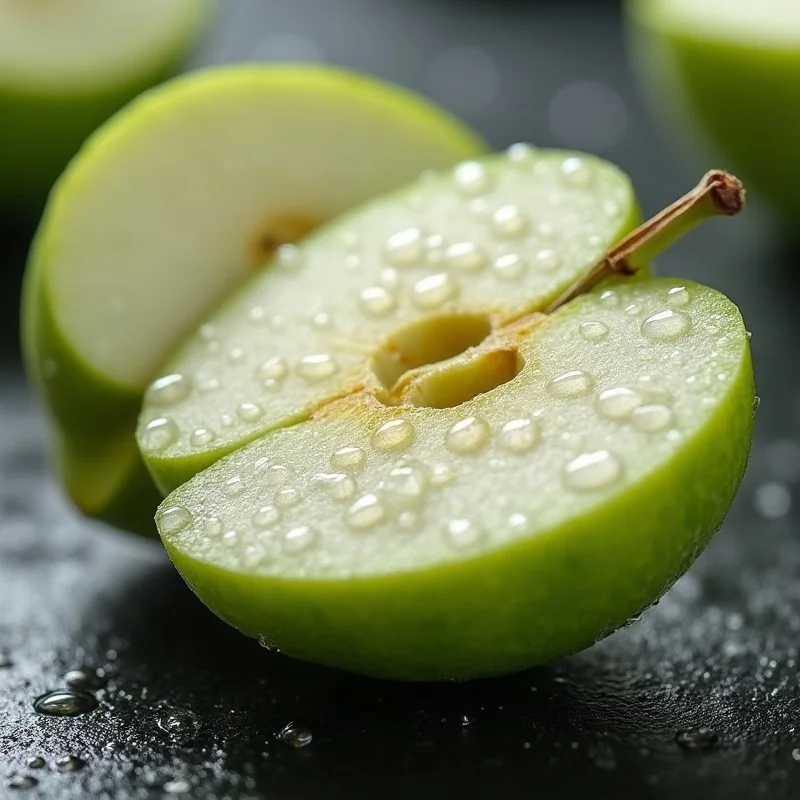 59 kcal
 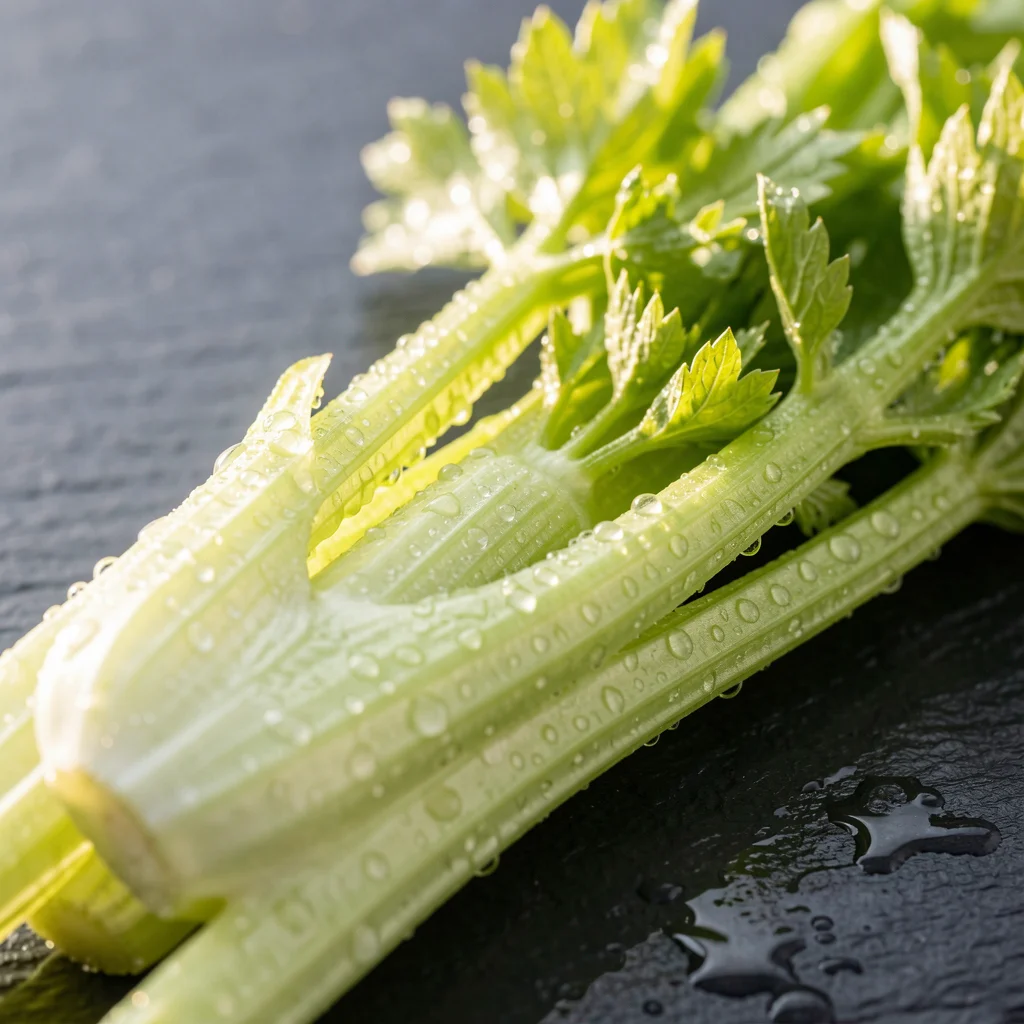 17 kcal