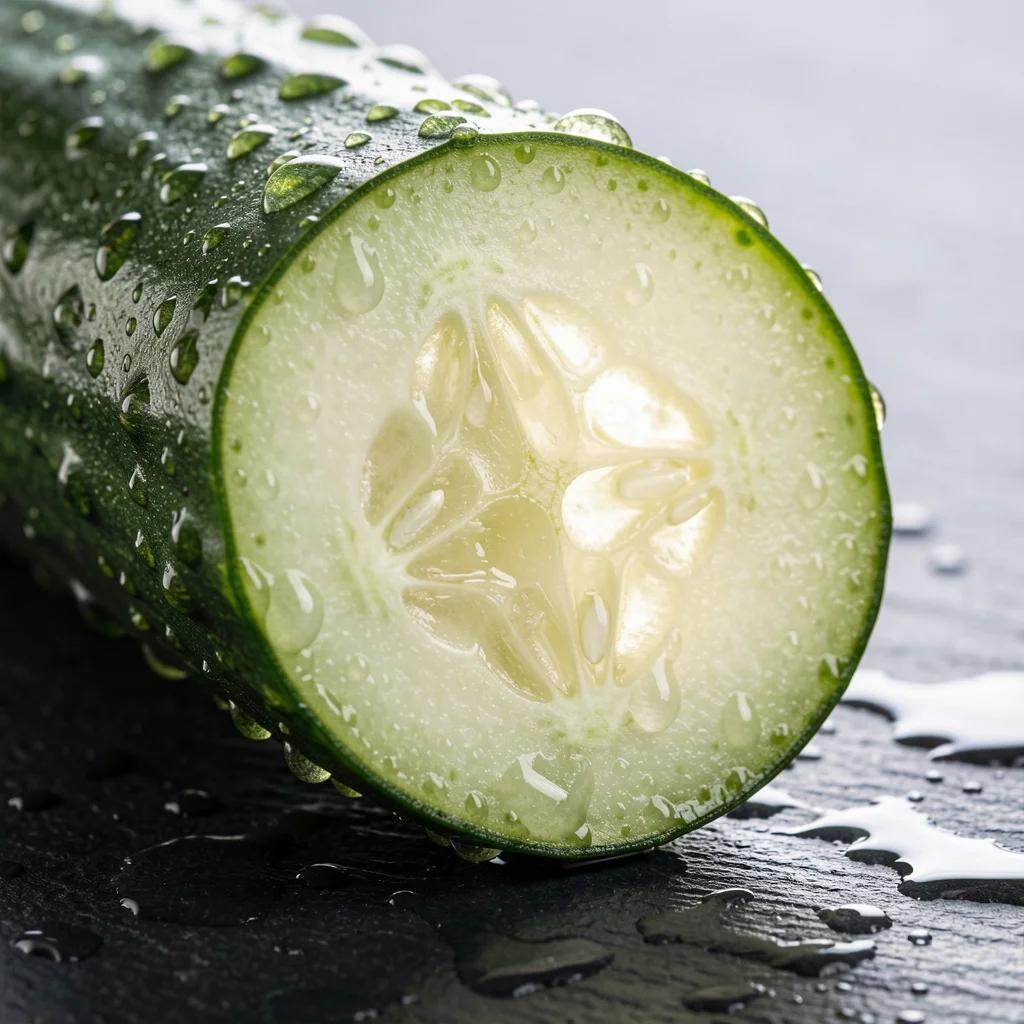
 16 kcal
 P 0.63g C 2.95g F 0.18g
Greek yogurt isn't actually Greek—it's a centuries-old straining technique that removes whey to concentrate protein and fat.
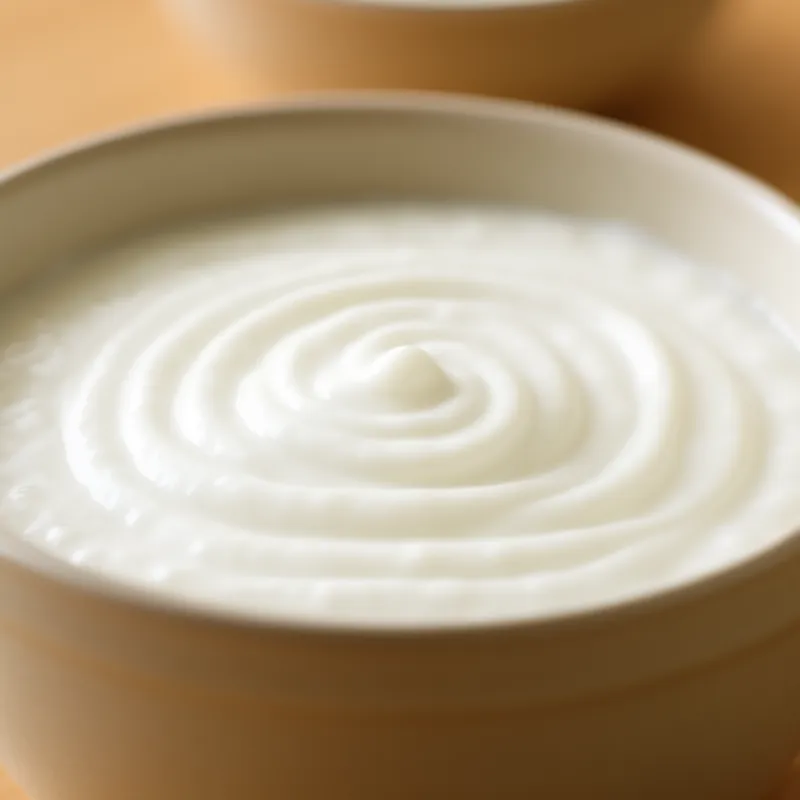
Greek yogurt's defining characteristic isn't its country of origin, but its straining process. Traditional yogurt is fermented by bacterial cultures, primarily Lactobacillus bulgaricus and Streptococcus thermophilus, which convert lactose into lactic acid. This acid coagulates milk proteins, forming a solid curd suspended in liquid whey. Greek yogurt undergoes an additional step: the fermented mixture is strained through a cloth or filter to remove the acidic whey. This straining process concentrates the remaining solids, resulting in a thicker texture and a distinct nutritional profile. By removing the whey, which contains much of the milk's lactose, calcium, and water-soluble vitamins, the final product retains a higher proportion of protein and fat per gram. The technique has roots in the Middle East and Eastern Mediterranean, where strained yogurt is known by various names like labneh or chakka. It only became widely marketed as "Greek" in the early 2000s in Western markets, popularized by brands that emphasized its dense, creamy texture and high protein content. The whole milk version retains the natural milk fat, which contributes to its smooth mouthfeel and helps stabilize the protein matrix during fermentation.
Use whole milk Greek yogurt as a base for savory dips like tzatziki by grating and draining cucumber to prevent excess water from thinning the yogurt's dense matrix. The fat in whole milk yogurt helps carry and absorb fat-soluble vitamins, making it an excellent pairing with cooked vegetables dressed in olive oil. Avoid heating it rapidly over direct heat, as the high protein concentration makes it prone to curdling; instead, temper it by slowly whisking in hot liquid if using it in sauces.
Per 100g — daily values based on a 2,000 calorie diet
CalRay's AI recognizes yogurt and hundreds of thousands of other foods from a photo. No manual lookup needed.
Yogurt, Greek, plain, whole milk contains 94 calories per 100g. A standard serving of 1 RACC (170g) provides 160 calories. It is a moderate-calorie food that can fit into most healthy diets.
Yogurt, Greek, plain, whole milk provides 8.78g of protein per 100g, which is 18% of the 50g daily recommended value. It is not a primary protein source.
Yogurt, Greek, plain, whole milk contains 4.75g of carbohydrates per 100g .
Yogurt, Greek, plain, whole milk has 94 kcal per 100g, which is relatively moderate. It can fit into a weight-loss diet as long as portion sizes are managed.
The easiest way to track yogurt is with CalRay. Simply snap a photo of your meal and the AI will automatically identify the food and calculate calories and macros based on the estimated portion size — no manual lookup required. You can also search by name and adjust gram weight manually.
16 kcal  884 kcal
  143 kcal