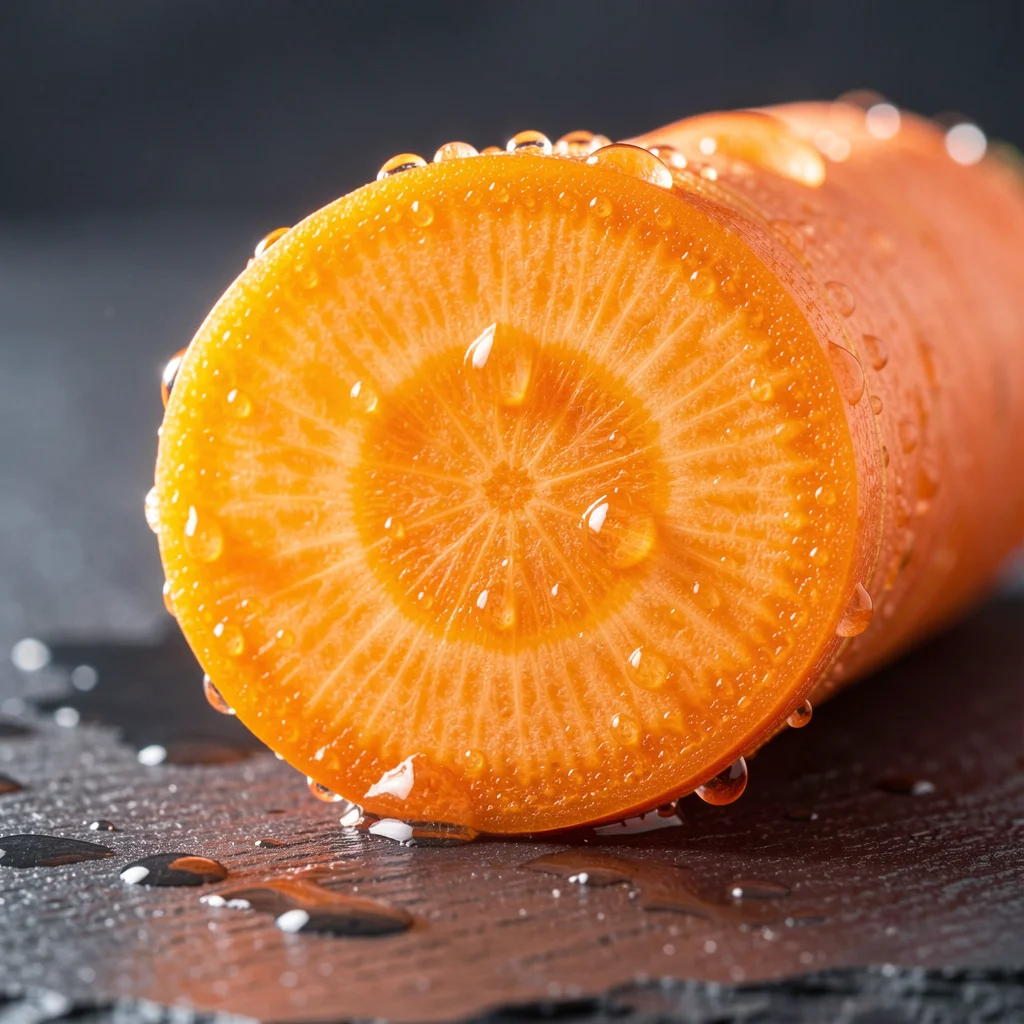
 48 kcal
 P 0.94g C 10.3g F 0.35g
Before the potato arrived, turnips were the primary winter survival carbohydrate of Northern Europe, and frost actually makes them sweeter.
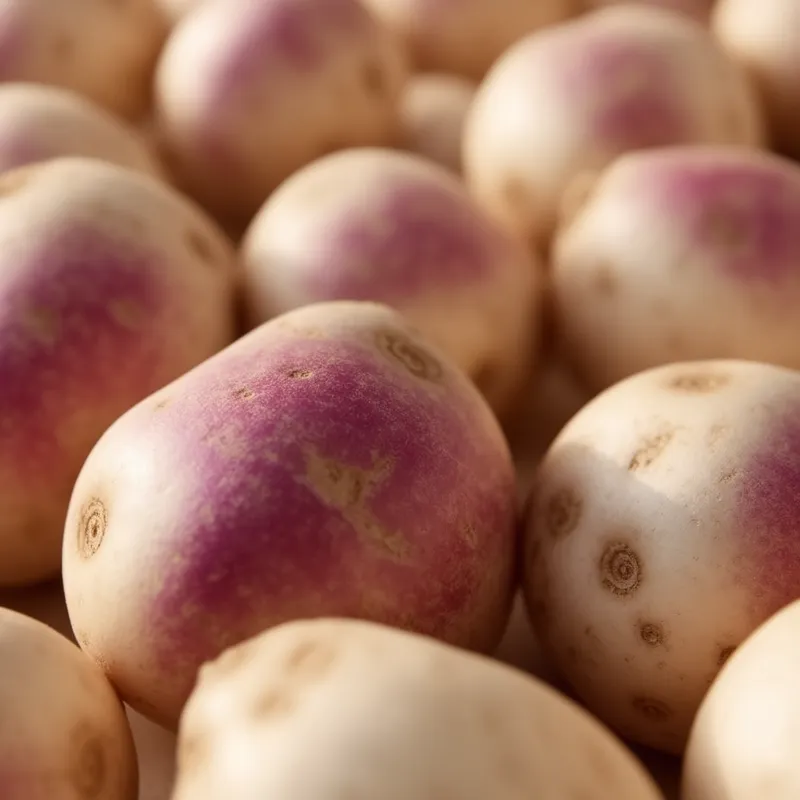
Before the potato crossed the Atlantic in the 16th century, the turnip was the undisputed caloric workhorse of European peasant diets. A member of the Brassica rapa species, turnips store exceptionally well in cool, dark root cellars, which made them a critical winter food source. What many people don't realize is that the turnip's chemistry changes significantly depending on how it is grown and stored. When exposed to cold temperatures, the root converts its starches into sugars to prevent freezing, acting as a natural antifreeze. This is why fall-harvested turnips left in the ground through a light frost taste noticeably sweeter than those pulled in summer. Additionally, the purple ring near the top of the root isn't just pigmentation; it is a concentration of anthocyanins that develop when the top of the root protrudes above the soil surface and is exposed to sunlight. The turnip's slightly bitter, mustard-like undertones come from glucosinolates, sulfur-containing compounds also found in horseradish and cabbage, which break down into volatile isothiocyanates when the cells are crushed during chewing.
To mellow their inherent bitterness, peel turnips thickly to remove the layer just under the skin where most glucosinolates concentrate. Roasting them alongside carrots enhances their natural sweetness through caramelization, while a splash of acidity from mustard or vinegar balances the earthy flavors. If boiling, change the water halfway through to leach out excess sulfur compounds. Store unwashed turnips in a plastic bag in the crisper drawer, where they will keep for up to two weeks without going soft.
Per 100g — daily values based on a 2,000 calorie diet
CalRay's AI recognizes turnips and hundreds of thousands of other foods from a photo. No manual lookup needed.
Turnips contains 34 calories per 100g. It is considered a very low-calorie food (under 50 kcal/100g), making it excellent for weight management.
Turnips provides 0.95g of protein per 100g, which is 2% of the 50g daily recommended value. It is not a primary protein source.
Turnips contains 7.27g of carbohydrates per 100g . It also provides 1.92g of dietary fiber.
Yes! Turnips is very low in calories (34 kcal/100g) and can be eaten in generous portions even on a calorie-restricted diet.
The easiest way to track turnips is with CalRay. Simply snap a photo of your meal and the AI will automatically identify the food and calculate calories and macros based on the estimated portion size — no manual lookup required. You can also search by name and adjust gram weight manually.
48 kcal  61 kcal
 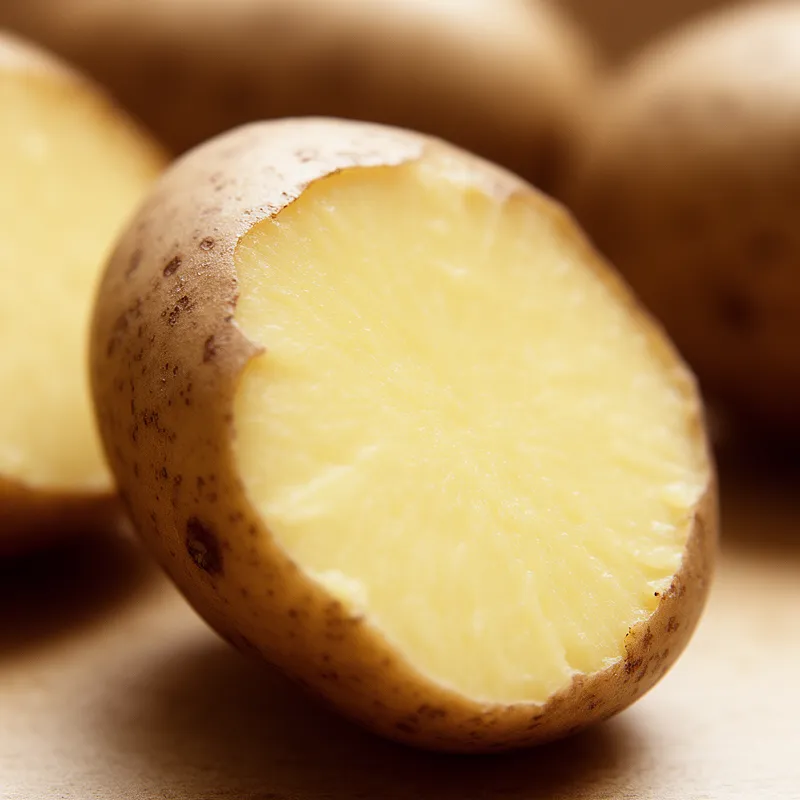 74 kcal