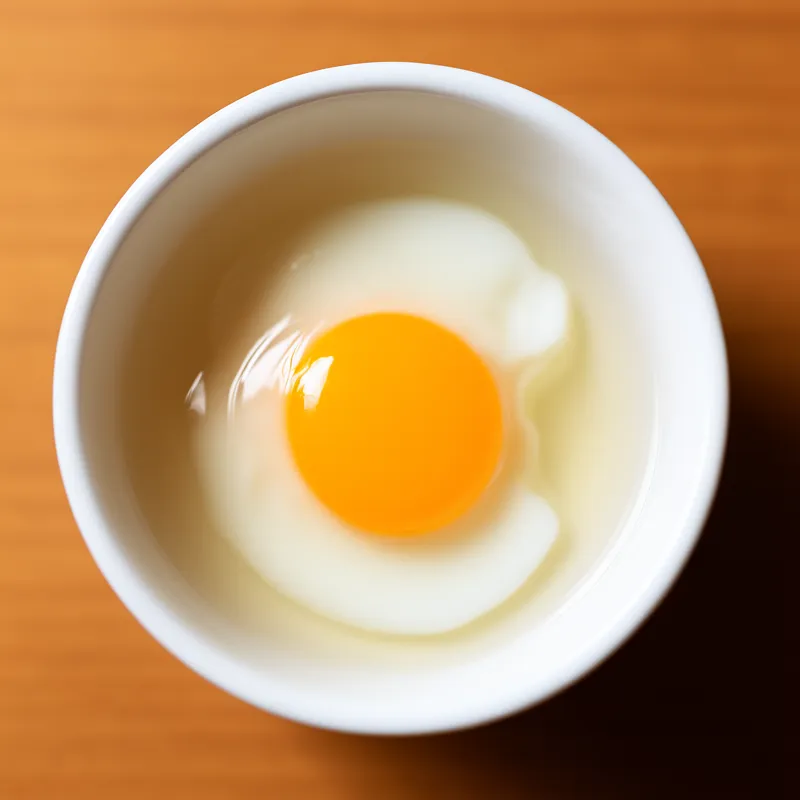
 148 kcal
 P 12.4g C 0.96g F 9.96g
The round orange gourd Americans bake into pies is botanically closer to zucchini than to butternut squash.
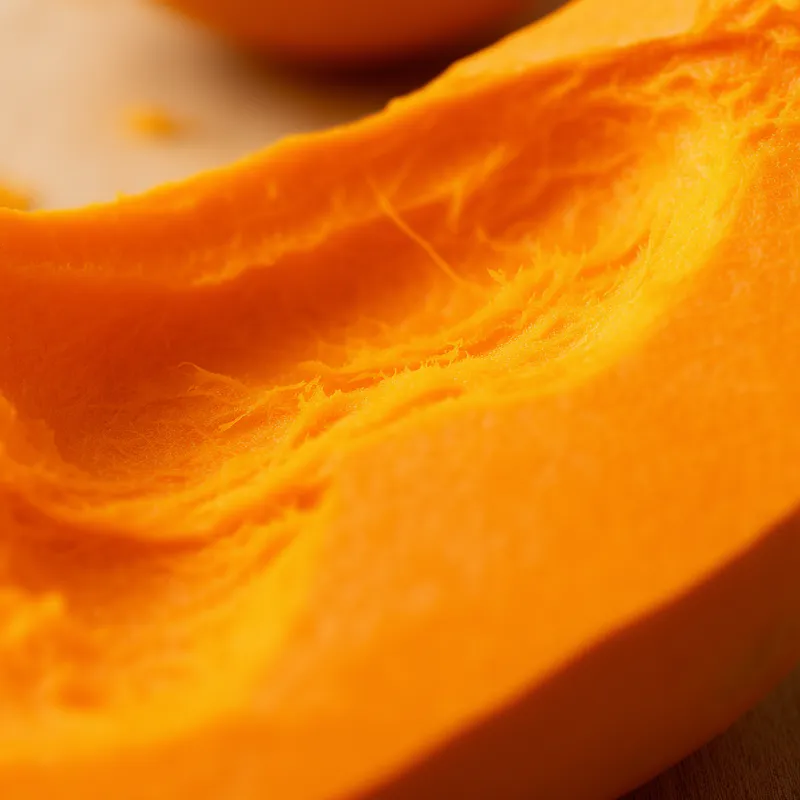
Most canned pumpkin puree sold in the United States contains no actual pie pumpkin. Under FDA regulations (21 CFR 145.3), the standard of identity for "canned pumpkin" permits manufacturers to use any golden-fleshed, sweet winter squash variety. Libby's, which controls roughly 85% of the U.S. canned pumpkin market, uses a proprietary cultivar called Dickinson squash—a variety of Cucurbita moschata, the same species as butternut squash. True pie pumpkins, sometimes called sugar pumpkins, belong to Cucurbita pepo, making them botanical siblings to zucchini, acorn squash, and even decorative gourds rather than to butternut or kabocha. The distinction matters in the kitchen: C. pepo pie pumpkins tend to be more fibrous and watery than C. moschata varieties, which is precisely why commercial producers prefer the smoother, denser Dickinson. When cooking from scratch, roasting halved pie pumpkins face-down until the flesh collapses helps concentrate flavor and break down fibers, yielding a texture closer to the canned product most Americans expect.
Roast halved and seeded pie pumpkins cut-side down at 400°F for 45–60 minutes until flesh is easily pierced. Scoop and puree for pies, soups, or breads. Because beta-carotene is fat-soluble, roasting with olive oil or pairing puree with eggs and dairy significantly improves absorption. Avoid boiling, which dilutes flavor and leaches nutrients. Store whole pumpkins in a cool, dry place for up to a month; refrigerate cooked puree for five days or freeze for six months.
Per 100g — daily values based on a 2,000 calorie diet
CalRay's AI recognizes squash and hundreds of thousands of other foods from a photo. No manual lookup needed.
Squash, pie pumpkin, peeled, seeded contains 3 calories per 100g. A standard serving of 1 RACC (85g) provides 3 calories. It is considered a very low-calorie food (under 50 kcal/100g), making it excellent for weight management.
Squash, pie pumpkin, peeled, seeded provides 0.85g of protein per 100g, which is 2% of the 50g daily recommended value. It is not a primary protein source.
Squash, pie pumpkin, peeled, seeded contains 0g of carbohydrates per 100g . It also provides 2.3g of dietary fiber.
Yes! Squash, pie pumpkin, peeled, seeded is very low in calories (3 kcal/100g) and can be eaten in generous portions even on a calorie-restricted diet.
The easiest way to track squash is with CalRay. Simply snap a photo of your meal and the AI will automatically identify the food and calculate calories and macros based on the estimated portion size — no manual lookup required. You can also search by name and adjust gram weight manually.
148 kcal 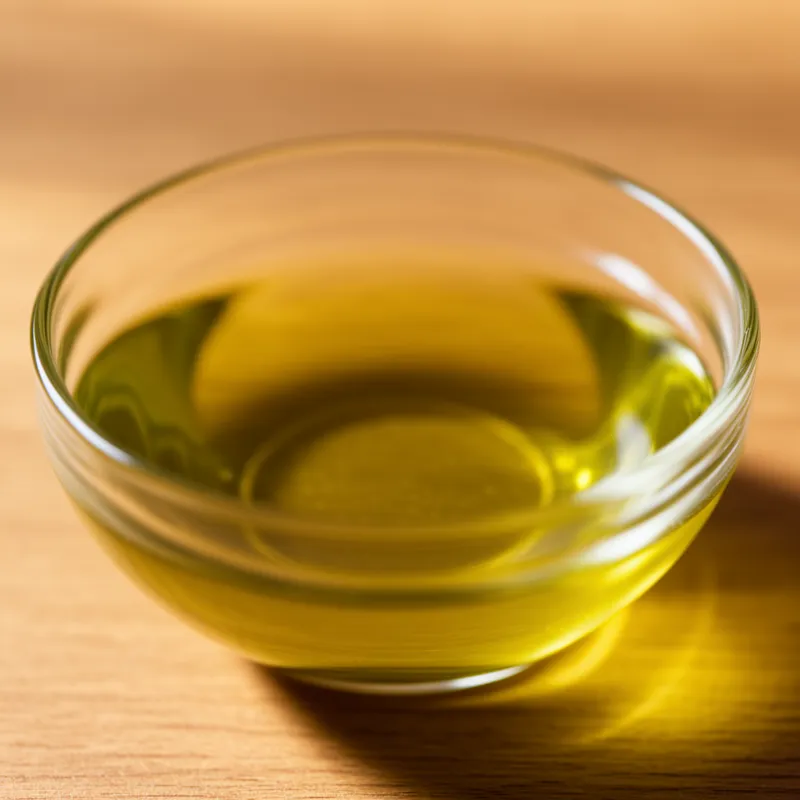 884 kcal
 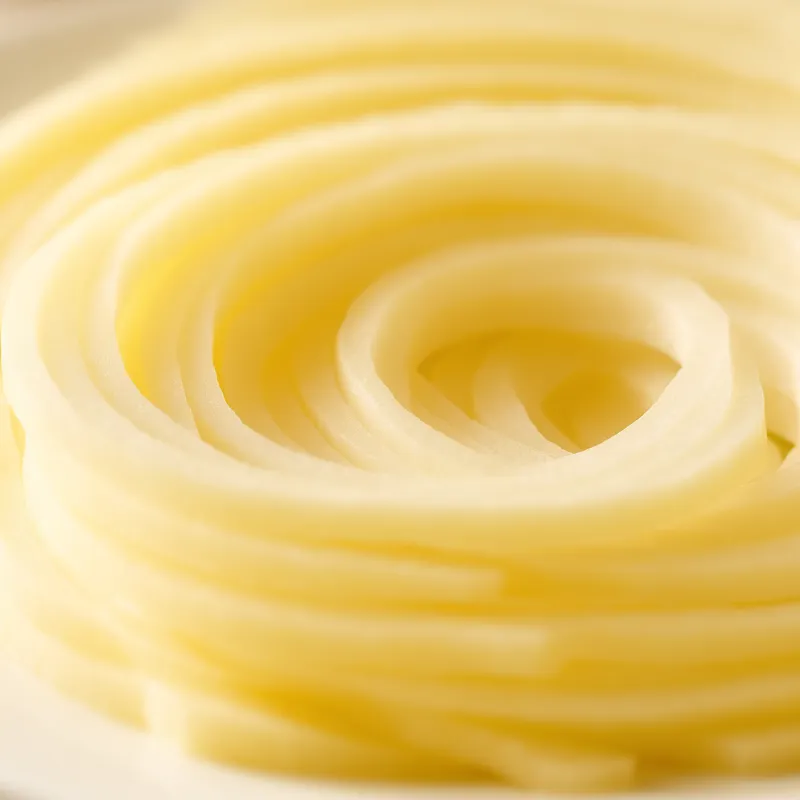 38 kcal