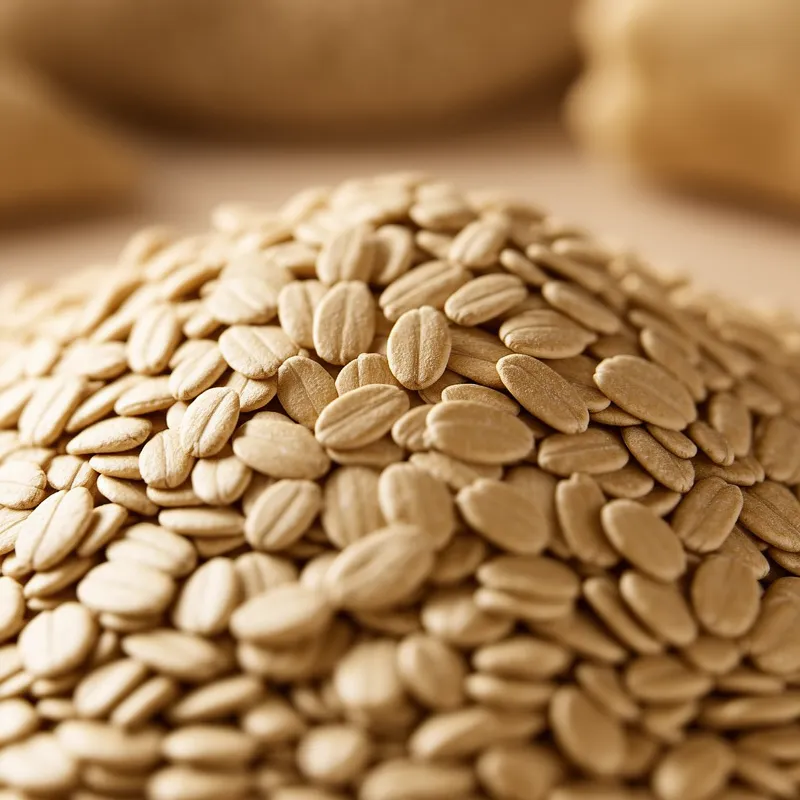
 382 kcal
 P 13.5g C 68.7g F 5.89g
A Han Dynasty invention whose signature beany off-taste comes from an enzyme that didn't evolve to please human palates.
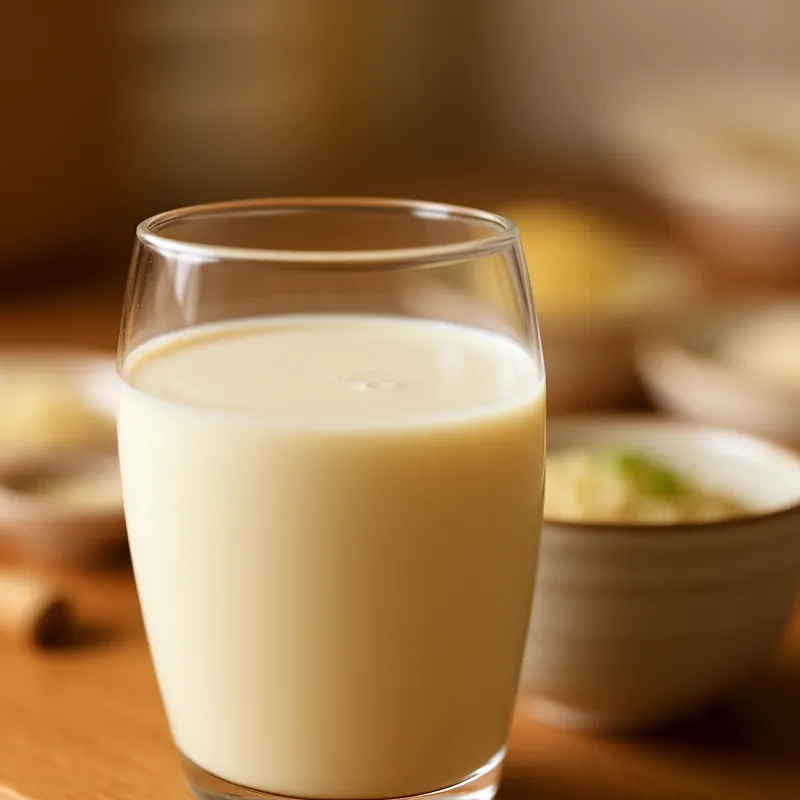
Soy milk's production is deceptively simple—soak soybeans, grind with water, strain—yet the chemistry behind its flavor is anything but. The characteristic "beany" taste that many find off-putting is caused by lipoxygenase enzymes native to the soybean. When the bean's cells are ruptured during grinding, these enzymes rapidly oxidize polyunsaturated fatty acids into volatile compounds called aldehydes, particularly hexanal, which humans detect at extremely low concentrations. This is the same class of compounds responsible for the smell of cut grass and old cardboard. Industrial producers combat this by either heating the slurry rapidly enough to denature lipoxygenase before it can act, or by using a "hot grind" method above 80°C. The irony is that lipoxygenase exists in the soybean not for flavor but as part of the plant's defense system, generating signaling molecules when tissues are damaged by pests. Soy milk itself traces back to China, where written references appear as early as the Han Dynasty, though the modern industrial process was refined in the 20th century.
Unsweetened soy milk works best where you want creaminess without added sugar—pour it over rolled oats, blend into smoothies with strawberries or banana, or use it as a base for chia pudding. Because it curdles at high heat when acid is present, add it to coffee gradually or use a barista-style version for hot drinks. Store opened cartons refrigerated and consume within 7–10 days. For savory cooking, it can replace dairy milk in béchamel or soups, though its slight beany note pairs better with earthy seasonings like garlic and thyme than with delicate ones.
Per 100g — daily values based on a 2,000 calorie diet
CalRay's AI recognizes soy milk and hundreds of thousands of other foods from a photo. No manual lookup needed.
Soy milk, unsweetened, plain contains 38 calories per 100g. It is considered a very low-calorie food (under 50 kcal/100g), making it excellent for weight management.
Soy milk, unsweetened, plain provides 3.55g of protein per 100g, which is 7% of the 50g daily recommended value. It is not a primary protein source.
Soy milk, unsweetened, plain contains 1.29g of carbohydrates per 100g . It also provides 0g of dietary fiber.
Yes! Soy milk, unsweetened, plain is very low in calories (38 kcal/100g) and can be eaten in generous portions even on a calorie-restricted diet.
The easiest way to track soy milk is with CalRay. Simply snap a photo of your meal and the AI will automatically identify the food and calculate calories and macros based on the estimated portion size — no manual lookup required. You can also search by name and adjust gram weight manually.
382 kcal 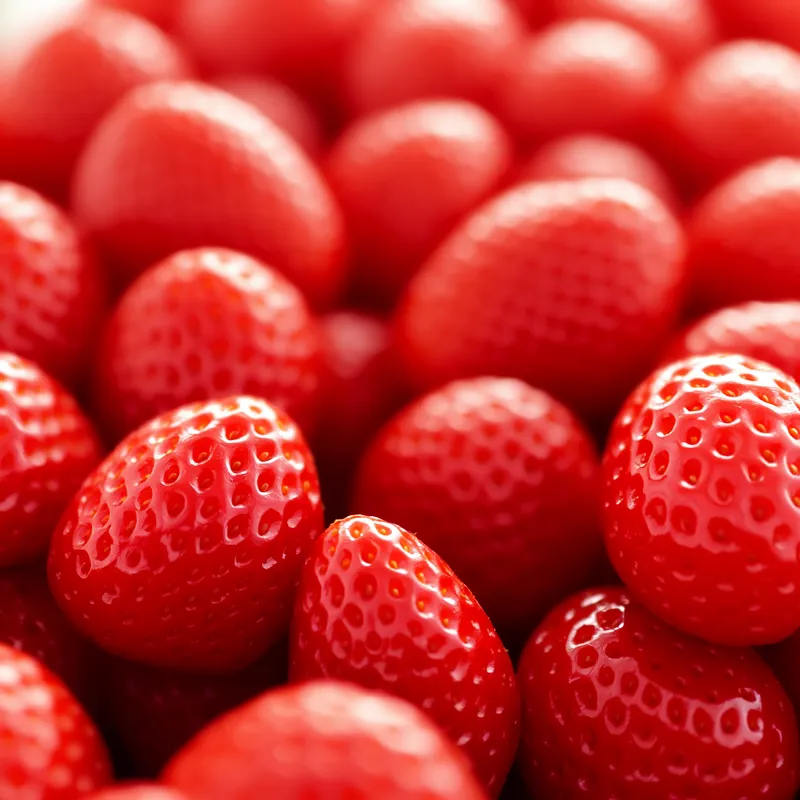 36 kcal
 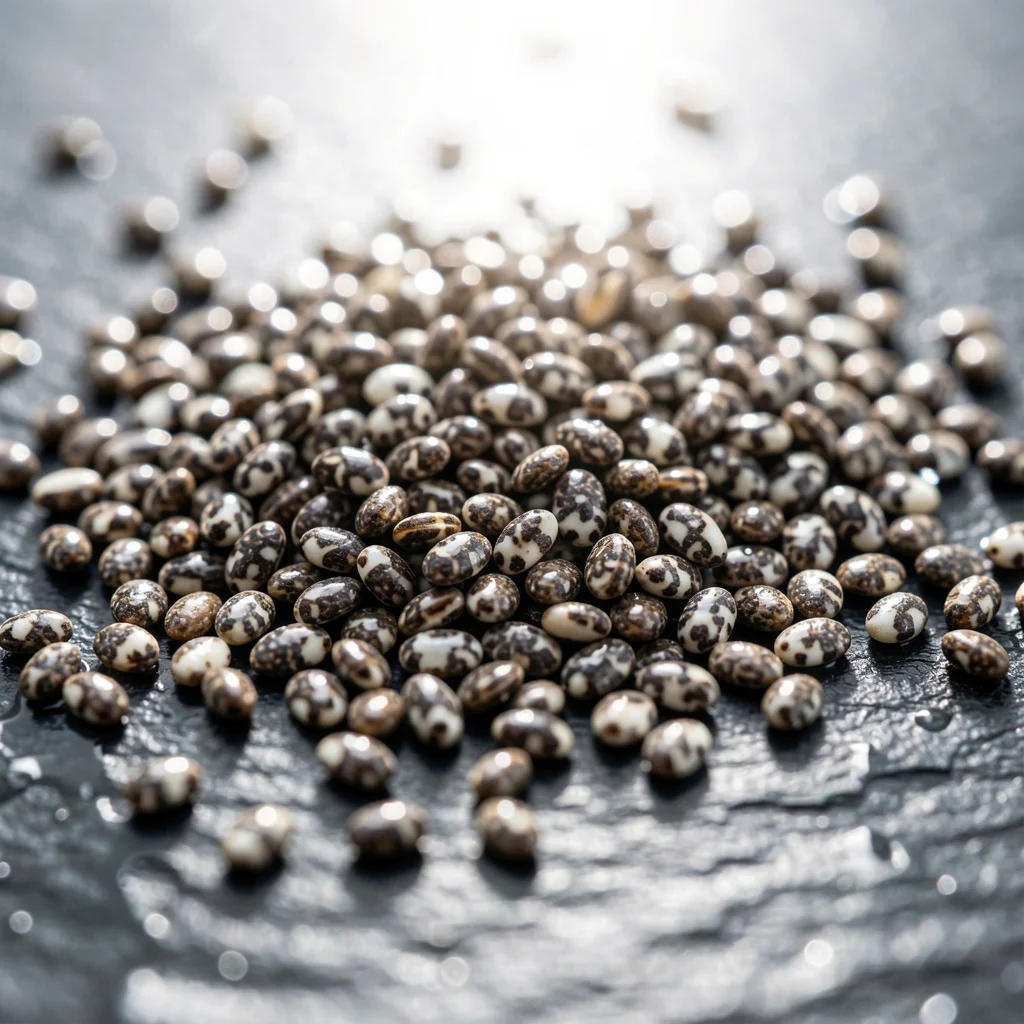 517 kcal