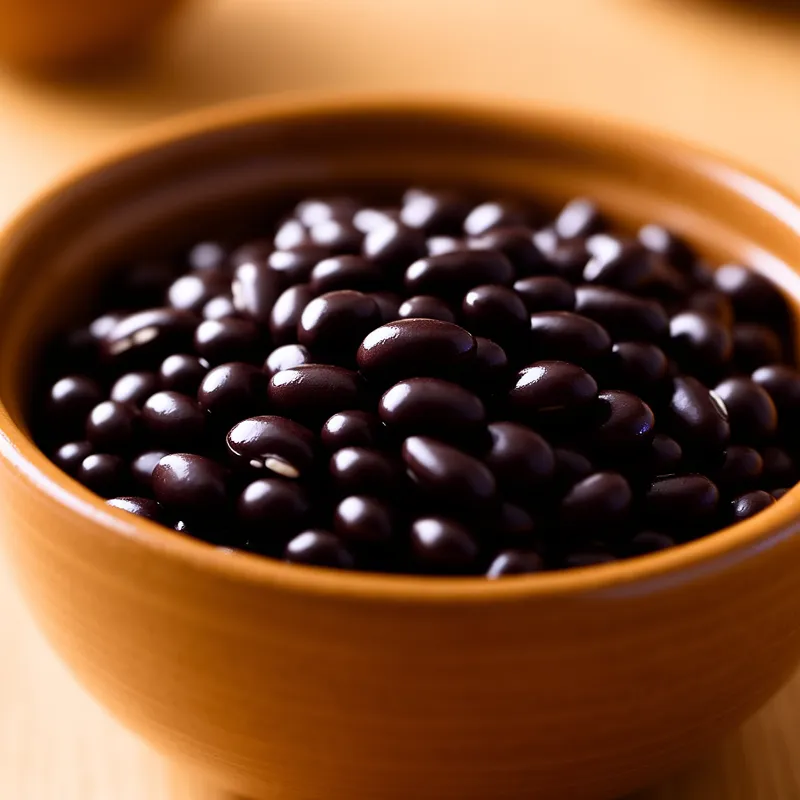
 118 kcal
 P 6.91g C 19.8g F 1.27g
This ancient drought-resistant grass can be popped like miniature popcorn and is naturally gluten-free.
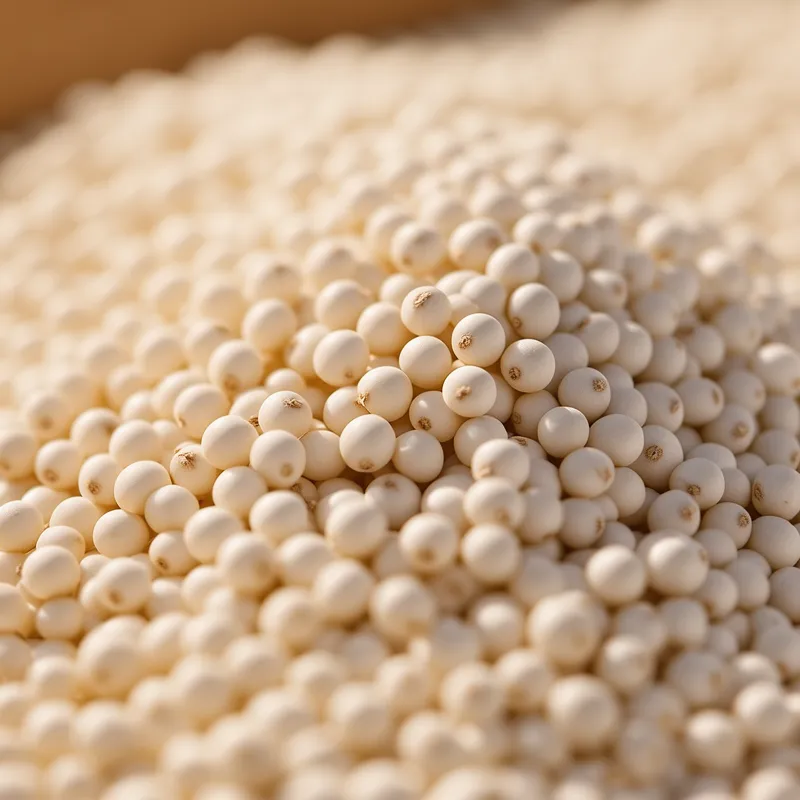
Sorghum bicolor is a remarkable C4 photosynthetic grass, meaning it uses a specialized carbon fixation pathway that minimizes photorespiration and maximizes water-use efficiency in hot, arid climates. This evolutionary advantage allows the plant to thrive where other major cereals fail, making it a crucial staple across the African continent and parts of Asia. Unlike wheat, barley, and rye, sorghum is naturally completely devoid of gluten-forming prolamins, making it a safe grain for those with celiac disease. The grain also produces unique phytochemicals called 3-deoxyanthocyanidins, which are structurally distinct from the anthocyanins found in blueberries or red cabbage. In the plant, these compounds act as a natural defense mechanism against fungal pathogens and insect pests. When consumed by humans, these same 3-deoxyanthocyanidins exhibit notable antioxidant properties. Additionally, the plant's stems and leaves often feature a waxy white bloom that reflects intense sunlight and further reduces water loss, a biological adaptation that has secured its survival for thousands of years in harsh environments.
Because whole grain sorghum is exceptionally hard when dry, soak it overnight before boiling to reduce the cooking time from an hour to roughly 25 minutes. You can also pop dry sorghum seeds in a hot, dry skillet just like miniature popcorn for a crunchy, high-fiber snack. Because its protein lacks sufficient lysine, pair cooked sorghum with lysine-rich legumes like black beans or lentils to create a complete amino acid profile in a single meal.
Per 100g — daily values based on a 2,000 calorie diet
CalRay's AI recognizes sorghum and hundreds of thousands of other foods from a photo. No manual lookup needed.
Sorghum, whole grain, white, dry contains 373 calories per 100g. A standard serving of 1 RACC (45g) provides 168 calories. It is relatively calorie-dense, so portion control is important.
Sorghum, whole grain, white, dry provides 10.1g of protein per 100g, which is 20% of the 50g daily recommended value. It is a good source of protein.
Sorghum, whole grain, white, dry contains 73.6g of carbohydrates per 100g . It also provides 8.27g of dietary fiber.
Sorghum, whole grain, white, dry has 373 kcal per 100g, so portions need to be monitored on a weight-loss diet. Use CalRay to track your intake accurately. Its fiber content (8.27g/100g) also promotes fullness.
The easiest way to track sorghum is with CalRay. Simply snap a photo of your meal and the AI will automatically identify the food and calculate calories and macros based on the estimated portion size — no manual lookup required. You can also search by name and adjust gram weight manually.
118 kcal 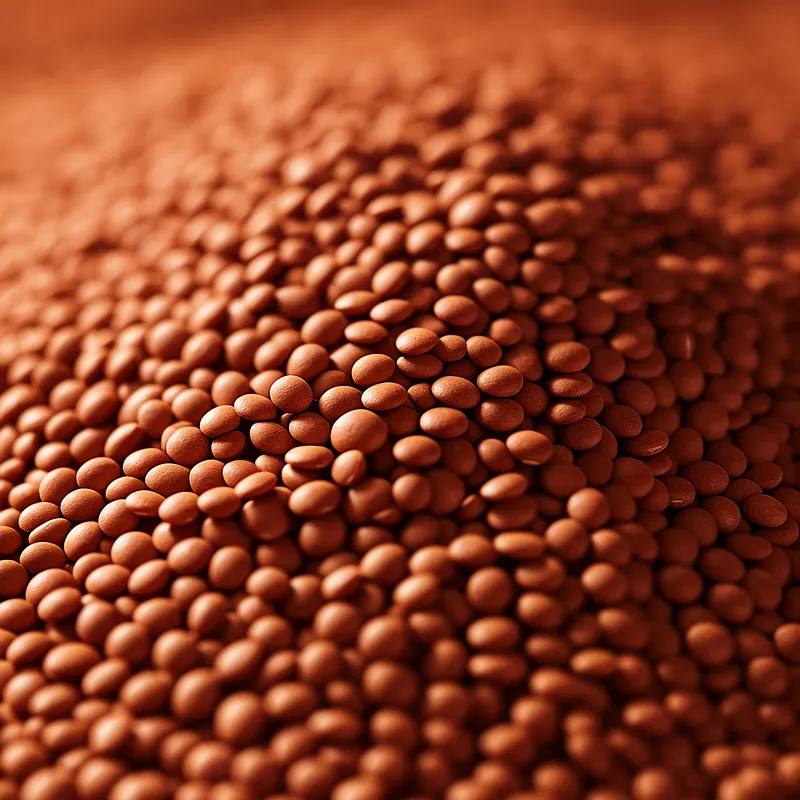 360 kcal
 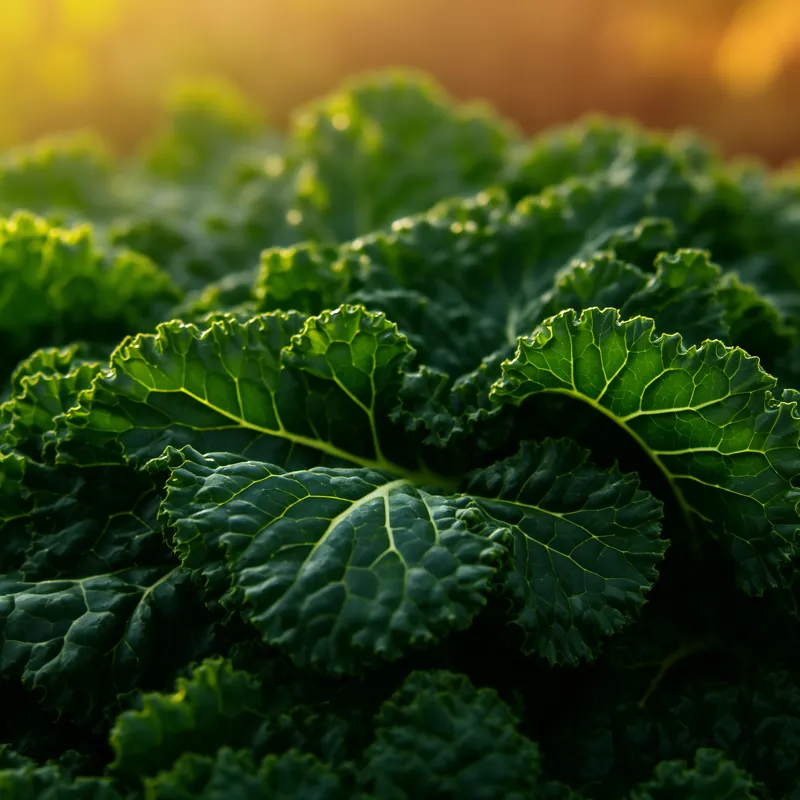 35 kcal