 148 kcal
 P 12.4g C 0.96g F 9.96g
This naturally gluten-free flour relies on waxy starches that mimic the chewy elasticity typically provided by wheat gluten.
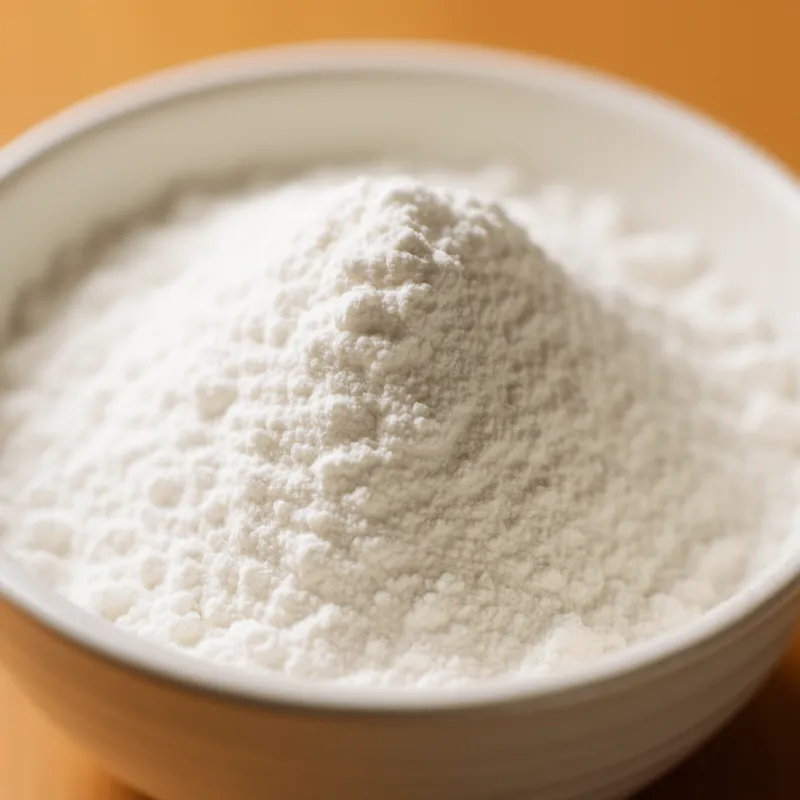
Sorghum originated in Africa thousands of years ago and has become the world's fifth most important cereal crop, prized for its exceptional drought tolerance. Unlike wheat, sorghum lacks gluten, but certain varieties—particularly those with a waxy endosperm—possess a starch profile dominated by amylopectin rather than amylose. When heated with water, this high-amylopectin starch forms a sticky, gel-like matrix that mimics some of the binding and chewy properties normally provided by gluten. This unique chemistry makes white pearled sorghum flour a favorite structural base in gluten-free baking. The pearling process mechanically removes the outer bran layer, resulting in a lighter color and milder flavor compared to whole grain sorghum flour. Because the bran is stripped away, the flour loses some of its inherent fiber and phenolic compounds but retains a dense carbohydrate profile, yielding a smooth, neutral-tasting flour that readily absorbs surrounding flavors. Its resilience in arid climates also makes it an environmentally robust crop, requiring significantly less water than wheat or corn to produce a comparable yield.
Because pearled sorghum flour lacks gluten and has a lower fiber content than whole grain versions, it works best when blended with a binder like xanthan gum or paired with eggs in recipes. Use it as a substitute for wheat flour in pancakes, flatbreads, or muffins, but expect a slightly denser crumb. Store it in an airtight container in a cool, dark pantry to prevent the natural fats from oxidizing, or refrigerate it for extended shelf life.
Per 100g — daily values based on a 2,000 calorie diet
CalRay's AI recognizes sorghum flour and hundreds of thousands of other foods from a photo. No manual lookup needed.
Sorghum flour, white, pearled, unenriched, dry contains 364 calories per 100g. A standard serving of 1 RACC (30g) provides 109 calories. It is relatively calorie-dense, so portion control is important.
Sorghum flour, white, pearled, unenriched, dry provides 10.2g of protein per 100g, which is 20% of the 50g daily recommended value. It is a good source of protein.
Sorghum flour, white, pearled, unenriched, dry contains 73.5g of carbohydrates per 100g . It also provides 3.3g of dietary fiber.
Sorghum flour, white, pearled, unenriched, dry has 364 kcal per 100g, so portions need to be monitored on a weight-loss diet. Use CalRay to track your intake accurately. Its fiber content (3.3g/100g) also promotes fullness.
The easiest way to track sorghum flour is with CalRay. Simply snap a photo of your meal and the AI will automatically identify the food and calculate calories and macros based on the estimated portion size — no manual lookup required. You can also search by name and adjust gram weight manually.
148 kcal 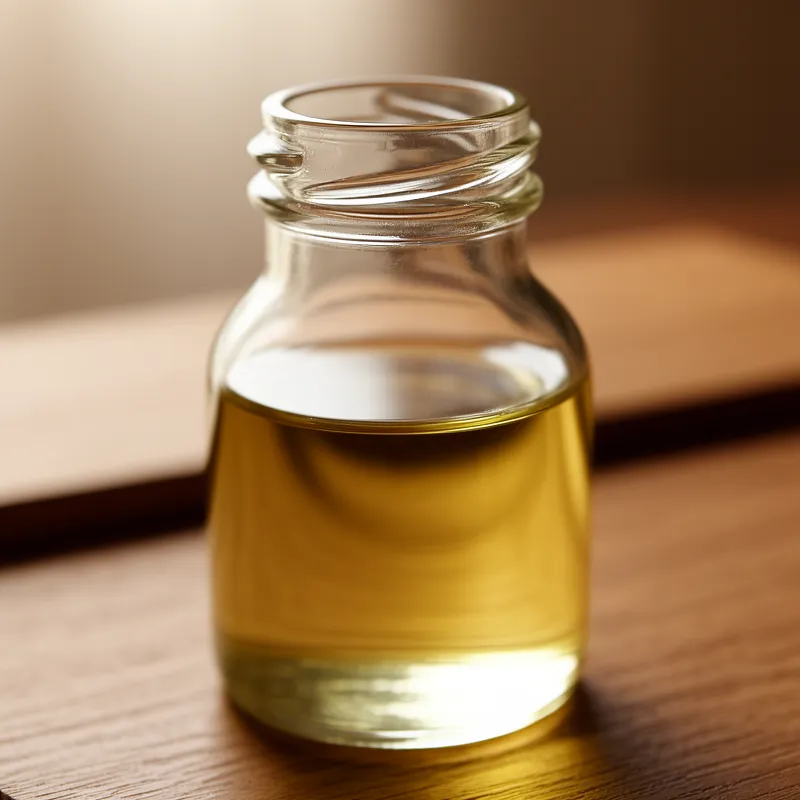 884 kcal
 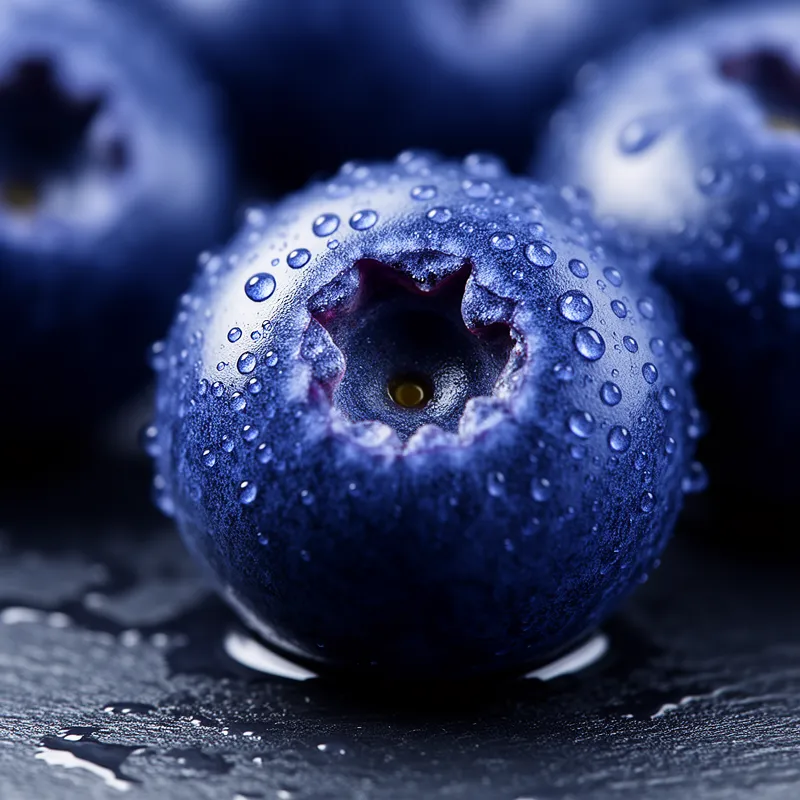 64 kcal