 61 kcal
 P 10.3g C 3.64g F 0.37g
The only common cereal bran containing 3-deoxyanthocyanidins — antioxidant pigments so rare they're nearly absent from every other grain.
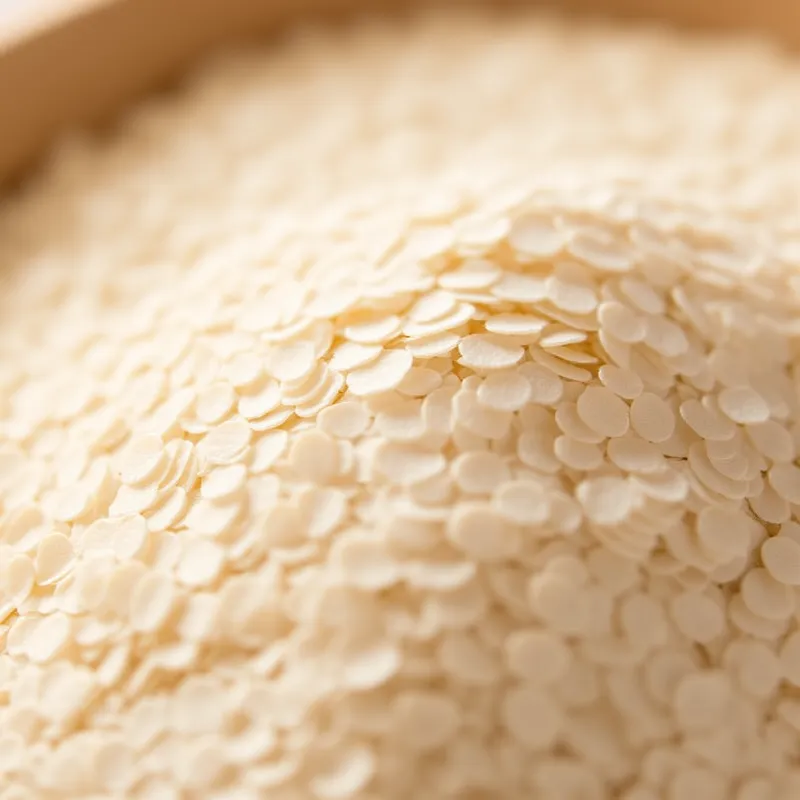
Sorghum bran contains a class of antioxidant compounds called 3-deoxyanthocyanidins (3-DXAs), specifically luteolinidin and apigeninidin, that are essentially absent from wheat, rice, oats, and corn. Unlike standard anthocyanins found in blueberries or red cabbage, 3-DXAs lack a hydroxyl group at the 3-position of their C-ring, which changes how they behave chemically — they are more stable at higher pH and elevated temperatures, meaning they survive cooking better than most plant antioxidants. White sorghum bran is derived from tannin-free varieties, which matters nutritionally because the condensed tannins present in some red and brown sorghum types can bind proteins and reduce mineral absorption. While white sorghum bran has lower total phenolic content than pigmented varieties, it still retains meaningful levels of 3-DXAs and other phenolic acids concentrated in the pericarp layer. The bran fraction, representing roughly 5–8% of the grain by weight, holds a disproportionate share of the grain's phenolic compounds, fiber, and minerals, making it the most nutrient-dense part of the kernel.
Sorghum bran can be stirred into yogurt, smoothies, or oatmeal as a fiber and antioxidant boost, or incorporated into gluten-free baking at 10–20% of flour weight to add structure and nutrition without overwhelming texture. Because it's dry and low in moisture, store it in an airtight container in a cool, dark place to preserve its phenolic compounds, which can degrade under prolonged light exposure. Pair it with vitamin C-rich foods to enhance absorption of its non-heme iron content.
Per 100g — daily values based on a 2,000 calorie diet
CalRay's AI recognizes sorghum bran and hundreds of thousands of other foods from a photo. No manual lookup needed.
Sorghum bran, white, unenriched, dry contains 403 calories per 100g. A standard serving of 1 RACC (45g) provides 181 calories. It is relatively calorie-dense, so portion control is important.
Sorghum bran, white, unenriched, dry provides 11.2g of protein per 100g, which is 22% of the 50g daily recommended value. It is a good source of protein.
Sorghum bran, white, unenriched, dry contains 68.7g of carbohydrates per 100g . It also provides 35g of dietary fiber.
Sorghum bran, white, unenriched, dry has 403 kcal per 100g, so portions need to be monitored on a weight-loss diet. Use CalRay to track your intake accurately. Its fiber content (35g/100g) also promotes fullness.
The easiest way to track sorghum bran is with CalRay. Simply snap a photo of your meal and the AI will automatically identify the food and calculate calories and macros based on the estimated portion size — no manual lookup required. You can also search by name and adjust gram weight manually.
61 kcal  118 kcal
  35 kcal