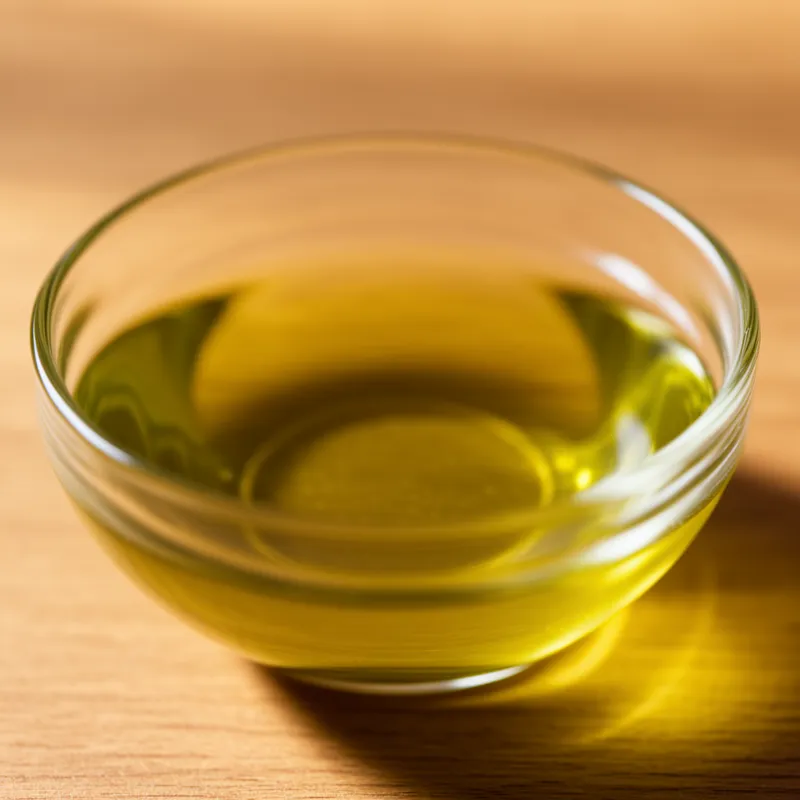
 884 kcal
 P 0g C 0g F 100g
Red snapper's vibrant skin color comes from carotenoid pigments in the crustaceans it eats.
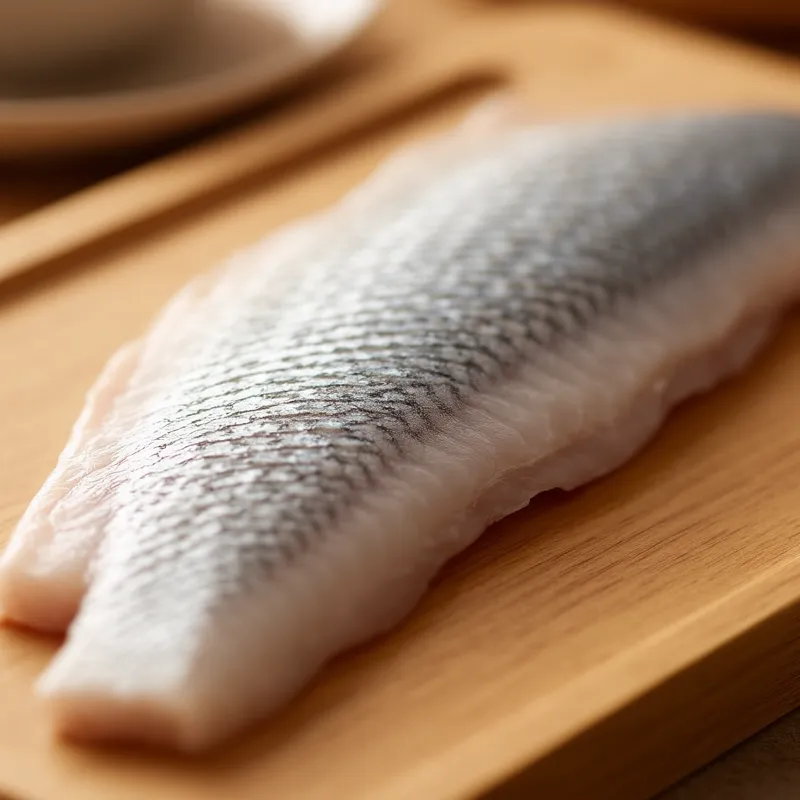
Red snapper (Lutjanus campechanus) is named for its bright pinkish-red hue, but this coloration isn't purely genetic—it is chemically derived from its diet. Snapper feed heavily on shrimp, crabs, and other small crustaceans that contain carotenoid pigments, particularly astaxanthin. These pigments accumulate in the fish's skin, producing the characteristic red coloration that helps them blend into reef environments. If a snapper's diet lacks these crustaceans, its skin will appear noticeably paler. Another fascinating biological detail: snapper possess a specialized structure called a pharyngeal mill—a set of grinding teeth located in their throat—which allows them to crush the hard exoskeletons of their crustacean prey. This anatomical adaptation means they can extract maximum nutritional value from armored food sources, contributing to their dense, lean protein profile. Because they are reef-associated predators, their muscle structure is built for short bursts of rapid swimming, resulting in a firm, flaky texture that differs from the softer flesh of open-water, long-distance swimmers like tuna.
Snapper's firm, lean texture holds up beautifully to high-heat cooking methods like grilling or pan-searing, which helps caramelize its natural amino acids. Because it is extremely low in fat (under 1 gram per serving), it benefits from a light coating of healthy oil—like extra virgin olive oil—before cooking to prevent the delicate proteins from drying out. Store fresh snapper on ice in the refrigerator and cook within two days, or freeze it in an airtight vacuum bag to preserve its moisture. Pair it with acidic ingredients like fresh tomatoes or lemon juice to brighten its mild, slightly sweet flavor.
Per 100g — daily values based on a 2,000 calorie diet
CalRay's AI recognizes snapper and hundreds of thousands of other foods from a photo. No manual lookup needed.
Snapper contains 90 calories per 100g. It is a moderate-calorie food that can fit into most healthy diets.
Snapper provides 20.7g of protein per 100g, which is 41% of the 50g daily recommended value. It is an excellent source of protein.
Snapper contains 0.44g of carbohydrates per 100g .
Snapper has 90 kcal per 100g, which is relatively moderate. It can fit into a weight-loss diet as long as portion sizes are managed. Its high protein content (20.7g/100g) helps with satiety.
The easiest way to track snapper is with CalRay. Simply snap a photo of your meal and the AI will automatically identify the food and calculate calories and macros based on the estimated portion size — no manual lookup required. You can also search by name and adjust gram weight manually.
884 kcal 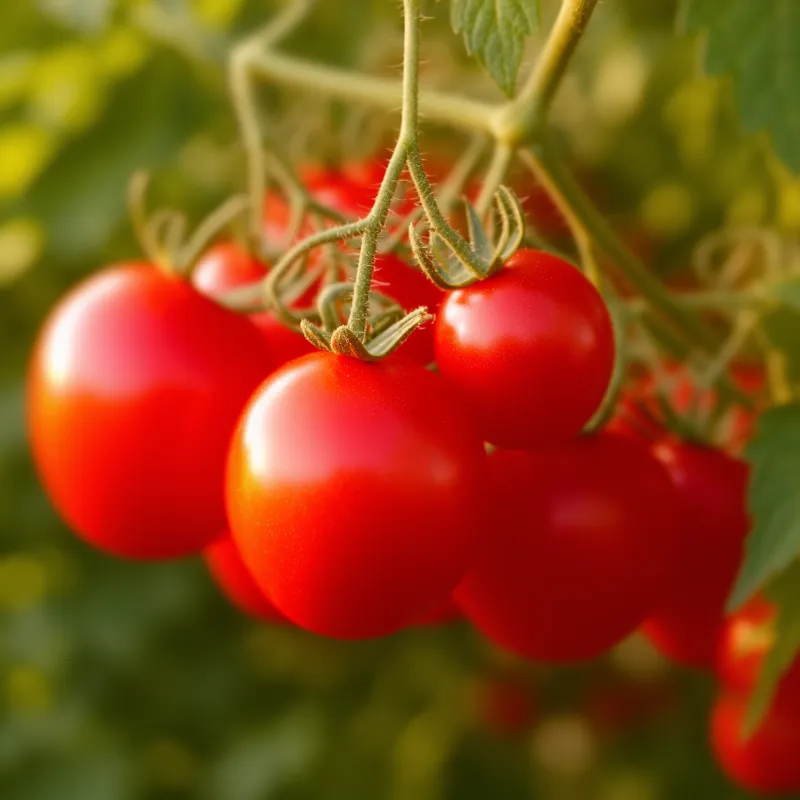 27 kcal
 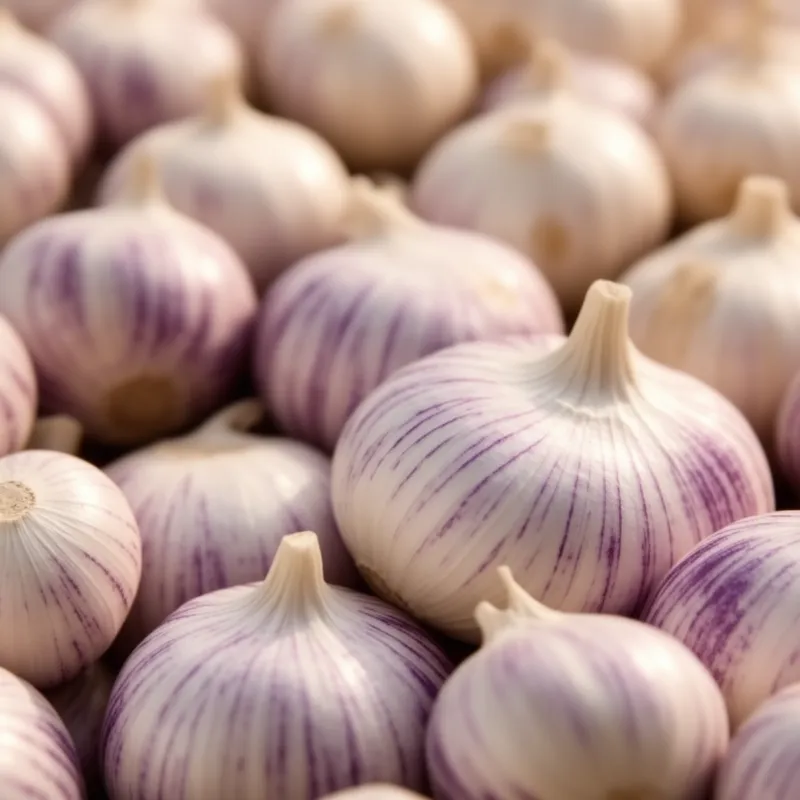 143 kcal