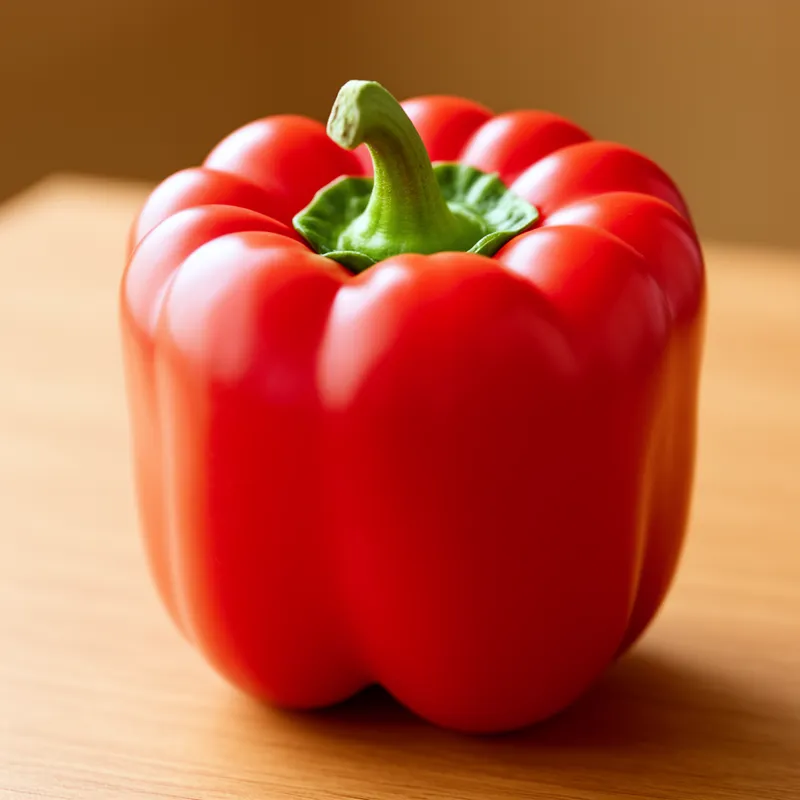
 31 kcal
 P 0.9g C 6.65g F 0.13g
These unassuming kernels pack more vitamin E than almost any other whole food, shielding your cell membranes from daily oxidative stress.
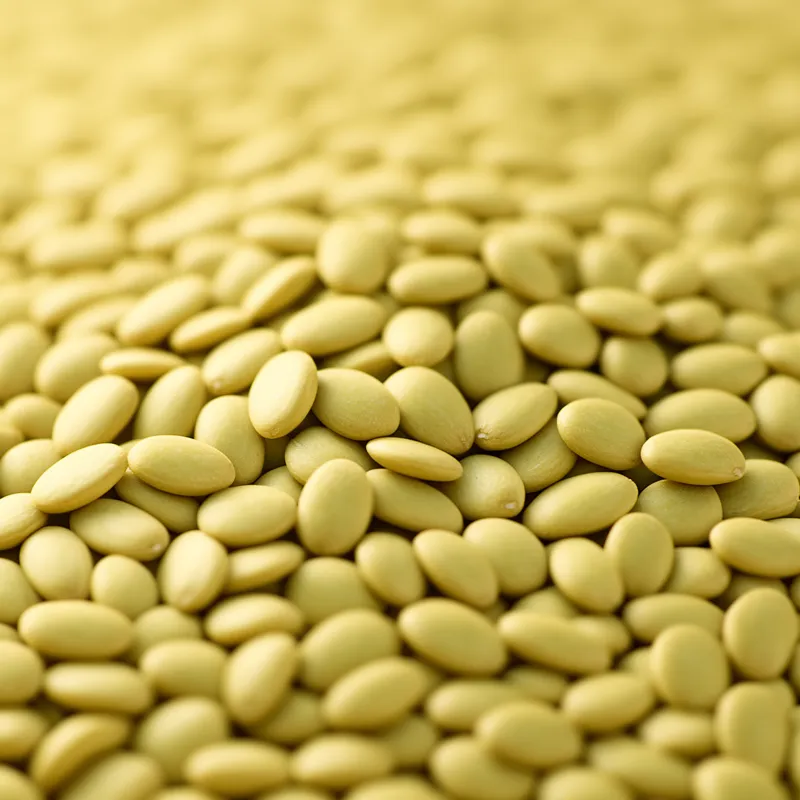
Sunflower seeds were first domesticated by Indigenous peoples in North America around 3000 BCE, who used them for food, dye, and medicine. Spanish explorers brought the plant to Europe in the 16th century, but it truly flourished in Russia. The Russian Orthodox Church banned most oil-rich foods during Lent, yet sunflower oil was not on the prohibited list, sparking a massive domestic industry. The seeds eventually returned to North America in the late 19th century as the 'Mammoth Russian' variety. Chemically, these kernels are defined by their impressive lipid profile. Nearly half their weight is fat, predominantly linoleic acid, an essential omega-6 fatty acid. They also contain high levels of alpha-tocopherol, the most biologically active form of vitamin E, which protects polyunsaturated fats in the body from lipid peroxidation. Additionally, the kernels contain chlorogenic acid, a phenolic compound responsible for a faintly bitter, astringent aftertaste that acts as a natural defense mechanism against pests while doubling as a potent antioxidant for human consumers.
Because their high polyunsaturated fat content makes them prone to rancidity, store raw sunflower kernels in an airtight container in the refrigerator or freezer to extend shelf life. To enhance their nutty flavor and crunch, toast them dry in a skillet over medium heat for three to five minutes, stirring frequently. Sprinkle them over salads or roasted vegetables to add texture, or blend them into a thick sunflower seed butter. Pairing them with vitamin C-rich foods like bell peppers helps your body better absorb the non-heme iron found in the seeds.
Per 100g — daily values based on a 2,000 calorie diet
CalRay's AI recognizes seeds and hundreds of thousands of other foods from a photo. No manual lookup needed.
Seeds, sunflower seed, kernel contains 609 calories per 100g. A standard serving of 1 RACC (30g) provides 183 calories. It is relatively calorie-dense, so portion control is important.
Seeds, sunflower seed, kernel provides 18.9g of protein per 100g, which is 38% of the 50g daily recommended value. It is a good source of protein.
Seeds, sunflower seed, kernel contains 24.5g of carbohydrates per 100g . It also provides 7.22g of dietary fiber.
Seeds, sunflower seed, kernel has 609 kcal per 100g, so portions need to be monitored on a weight-loss diet. Use CalRay to track your intake accurately. Its high protein content (18.9g/100g) helps with satiety. Its fiber content (7.22g/100g) also promotes fullness.
The easiest way to track seeds is with CalRay. Simply snap a photo of your meal and the AI will automatically identify the food and calculate calories and macros based on the estimated portion size — no manual lookup required. You can also search by name and adjust gram weight manually.
31 kcal 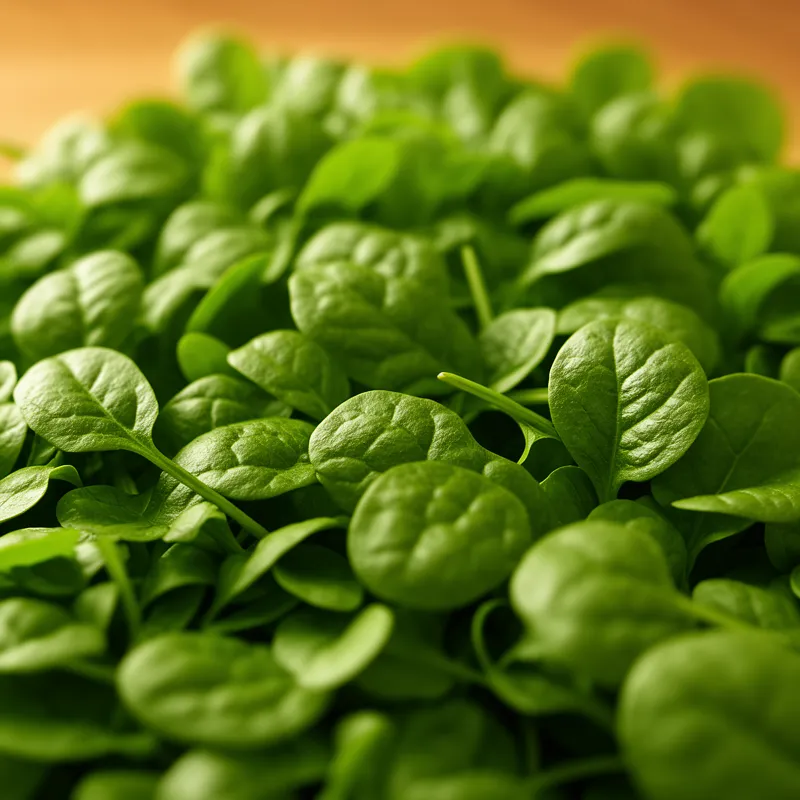 27 kcal
 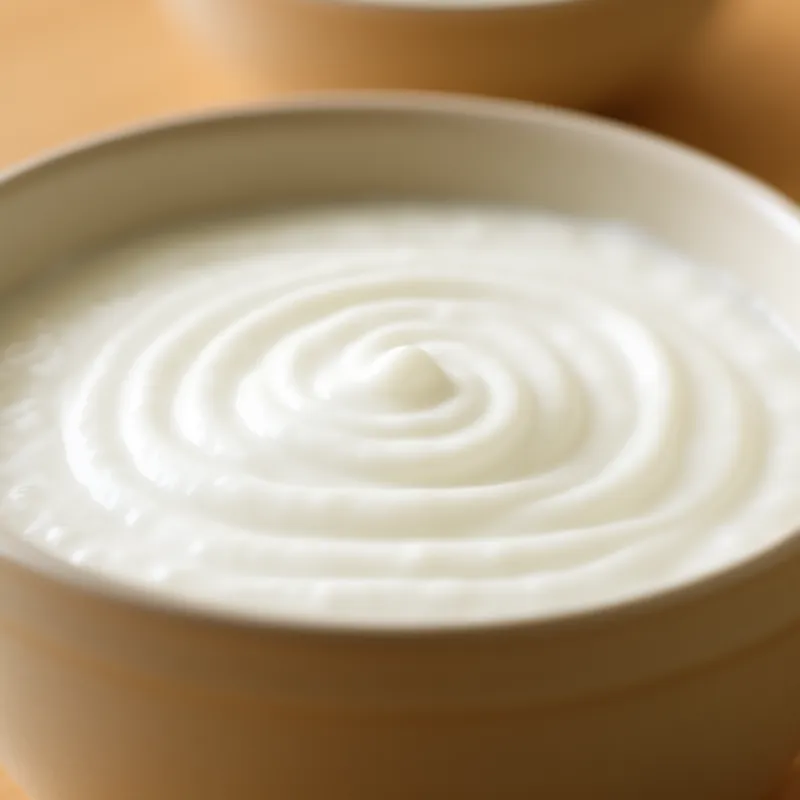 61 kcal