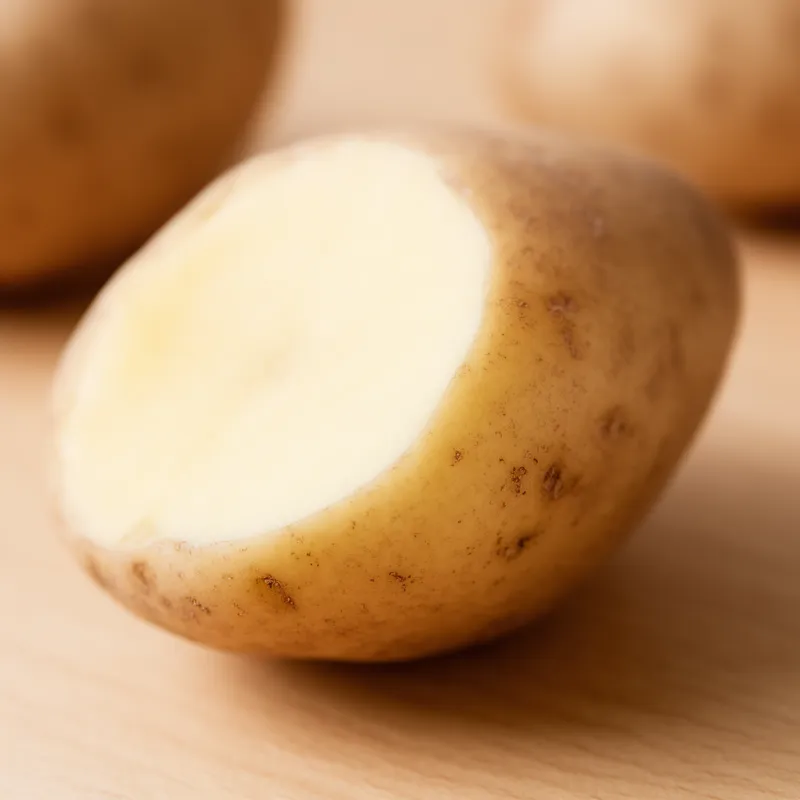
 84 kcal
 P 2.27g C 17.8g F 0.36g
Iodized salt is a public health triumph disguised as a pantry staple, virtually eliminating goiter in the 20th century.
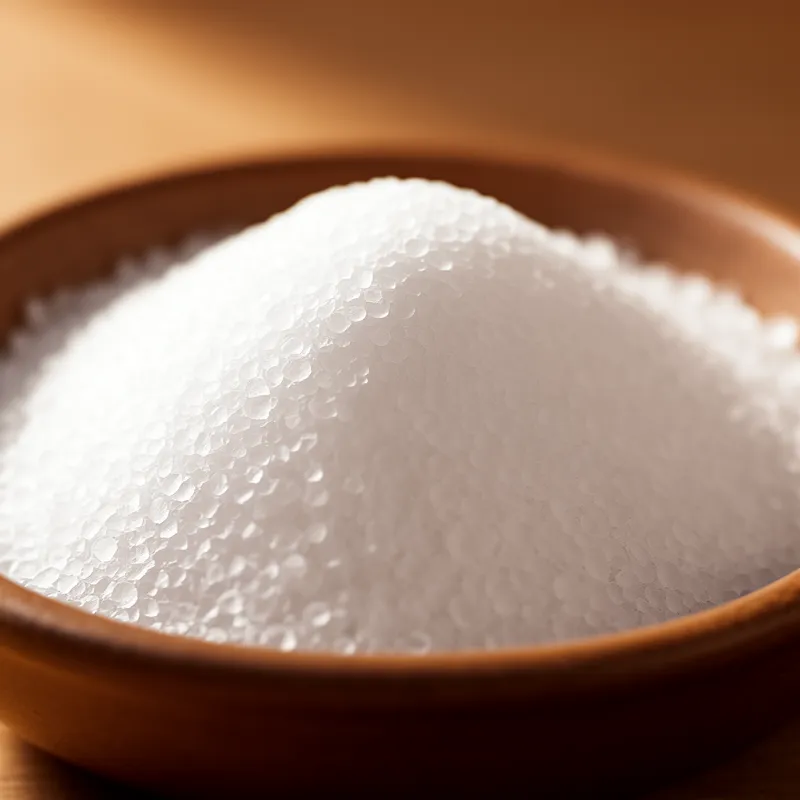
Iodized salt was introduced in the 1920s as a simple but revolutionary public health intervention to combat iodine deficiency, which was the leading cause of preventable brain damage and goiter worldwide. The human body cannot produce iodine, yet it requires trace amounts to synthesize thyroid hormones essential for metabolism and neurological development. To fortify salt, manufacturers spray it with a solution of potassium iodide or potassium iodate. A common misconception is that sea salt naturally contains sufficient iodine, but the amounts are highly variable and often negligible after processing. The addition of dextrose stabilizes the iodide, preventing it from oxidizing and evaporating, while anti-caking agents like sodium aluminosilicate keep the crystals free-flowing. Because iodine is volatile and degrades when exposed to heat and moisture, adding iodized salt at the end of cooking rather than the beginning preserves more of this vital micronutrient. Today, iodized salt remains one of the most cost-effective nutritional interventions in human history, quietly preventing cognitive impairments in populations where natural dietary iodine is scarce.
To maximize iodine retention, add iodized salt just before serving rather than during the boiling or roasting process, as heat and moisture cause the iodide to degrade over time. Store it in a cool, dry place in an airtight container to prevent the anti-caking agents from failing and the iodine from oxidizing. If you are heavily relying on salt for your dietary iodine, avoid substituting it entirely with kosher or sea salt, which are rarely iodized. Pair it with potassium-rich foods like potatoes or spinach to help balance sodium intake.
Per 100g — daily values based on a 2,000 calorie diet
CalRay's AI recognizes salt and hundreds of thousands of other foods from a photo. No manual lookup needed.
Salt, table, iodized contains 0 calories per 100g. A standard serving of 1 teaspoon (6.1g) provides 0 calories. It is considered a very low-calorie food (under 50 kcal/100g), making it excellent for weight management.
Salt, table, iodized provides 0g of protein per 100g, which is 0% of the 50g daily recommended value. It is not a primary protein source.
Salt, table, iodized contains 0g of carbohydrates per 100g .
Yes! Salt, table, iodized is very low in calories (0 kcal/100g) and can be eaten in generous portions even on a calorie-restricted diet.
The easiest way to track salt is with CalRay. Simply snap a photo of your meal and the AI will automatically identify the food and calculate calories and macros based on the estimated portion size — no manual lookup required. You can also search by name and adjust gram weight manually.
84 kcal 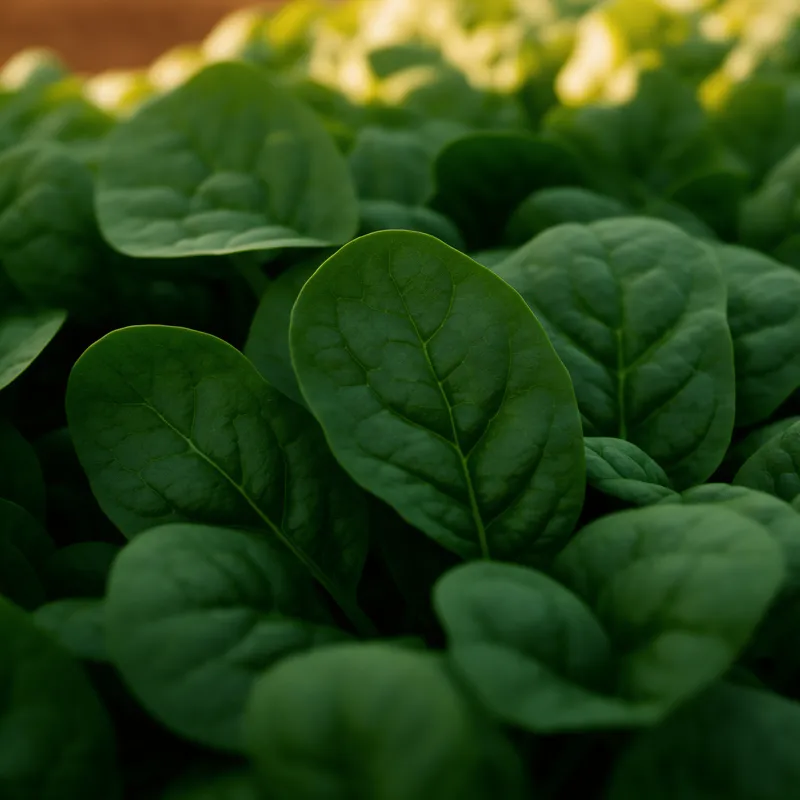 28 kcal
 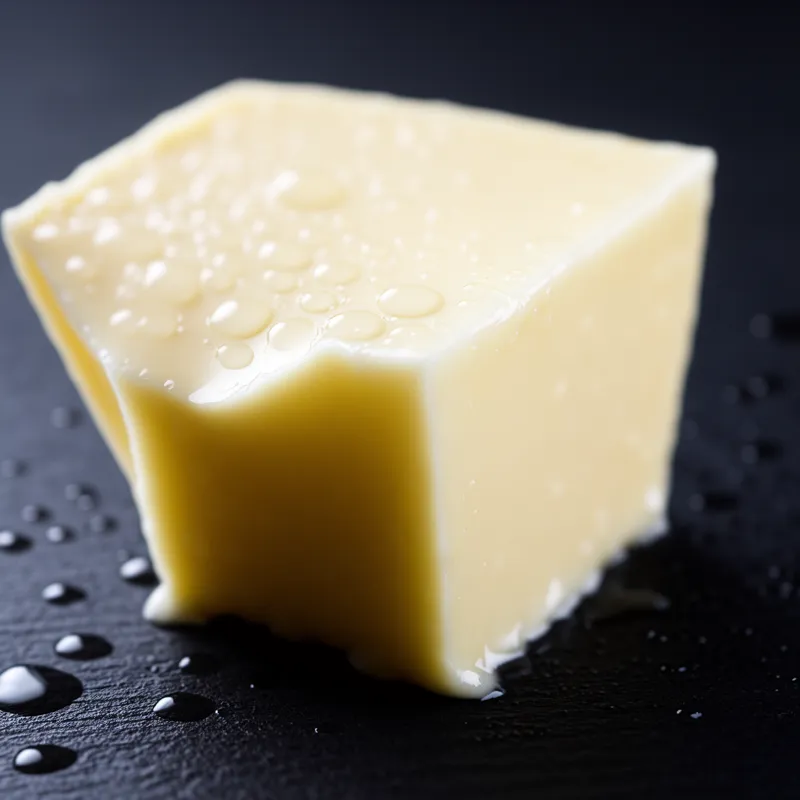 734 kcal