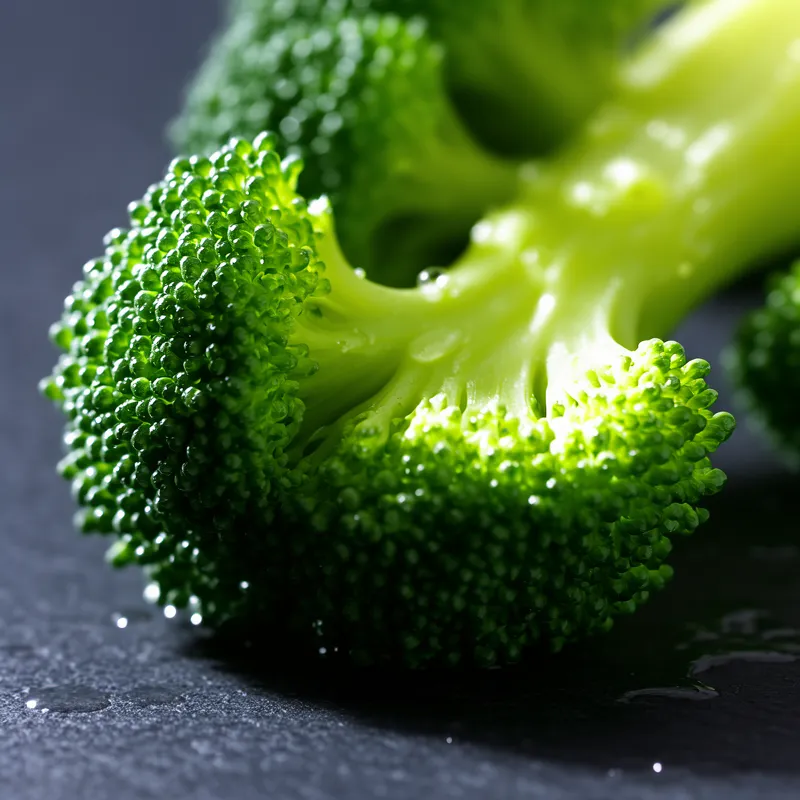
 31 kcal
P 2.57g C 6.27g F 0.34g
The fish people eat for omega-3, and how fat level changes calories
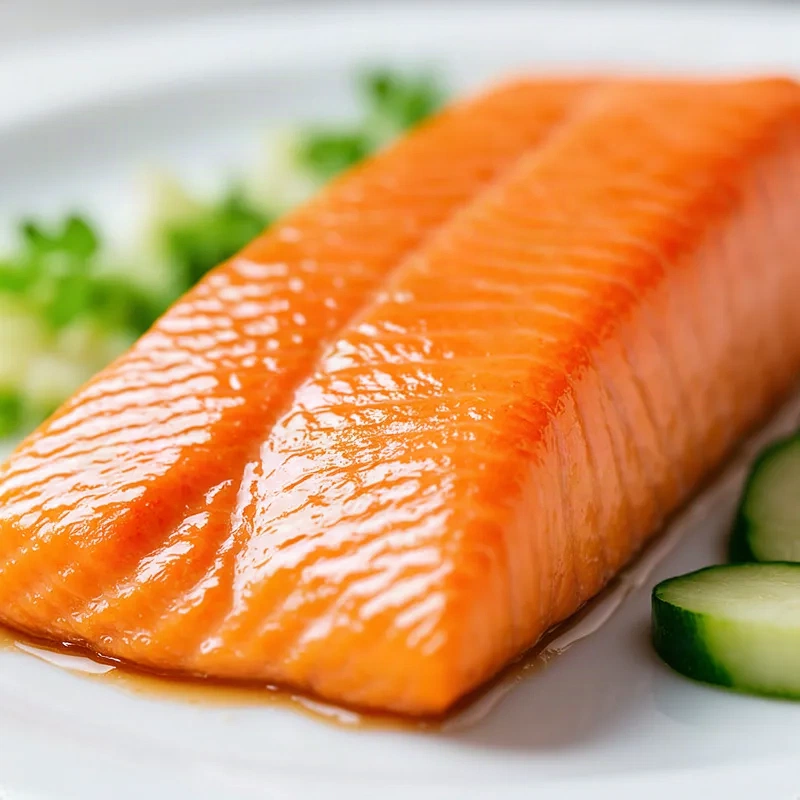
Salmon is oily fish, so its calories depend on the fat it carries: farmed Atlantic salmon is fattier and higher in calories than wild, which is leaner. That fat includes the long-chain omega-3s EPA and DHA that health agencies recommend getting from fish once or twice a week. Protein stays high either way, at roughly 20 g per 100 g. Cook it until the thickest part reaches 63 °C (145 °F), the temperature USDA lists as safe, and it stays moist.
Bake or pan-sear skin-side down for about 4 to 5 minutes, then flip briefly. Canned salmon is a cheap alternative with similar protein.
Per 100g — daily values based on a 2,000 calorie diet
CalRay's AI recognizes salmon and hundreds of thousands of other foods from a photo. No manual lookup needed.
Salmon contains 146 calories per 100g. It is a moderate-calorie food that can fit into most healthy diets.
Salmon provides 21.62g of protein per 100g, which is 43% of the 50g daily recommended value. It is an excellent source of protein.
Salmon contains 0g of carbohydrates per 100g .
Salmon has 146 kcal per 100g, which is relatively moderate. It can fit into a weight-loss diet as long as portion sizes are managed. Its high protein content (21.62g/100g) helps with satiety.
The easiest way to track salmon is with CalRay. Simply snap a photo of your meal and the AI will automatically identify the food and calculate calories and macros based on the estimated portion size — no manual lookup required. You can also search by name and adjust gram weight manually.
31 kcal 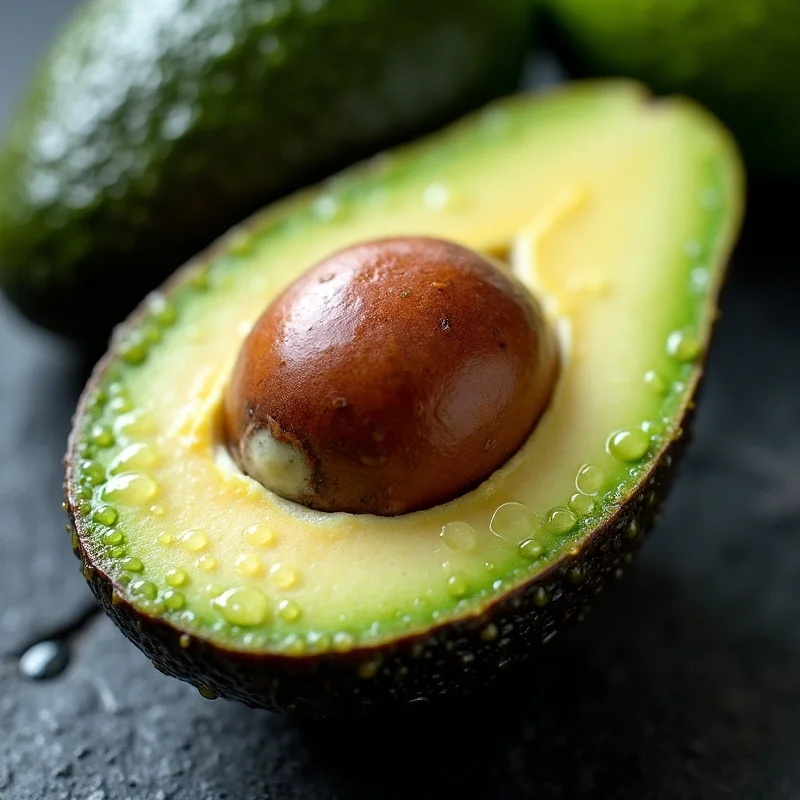 223 kcal
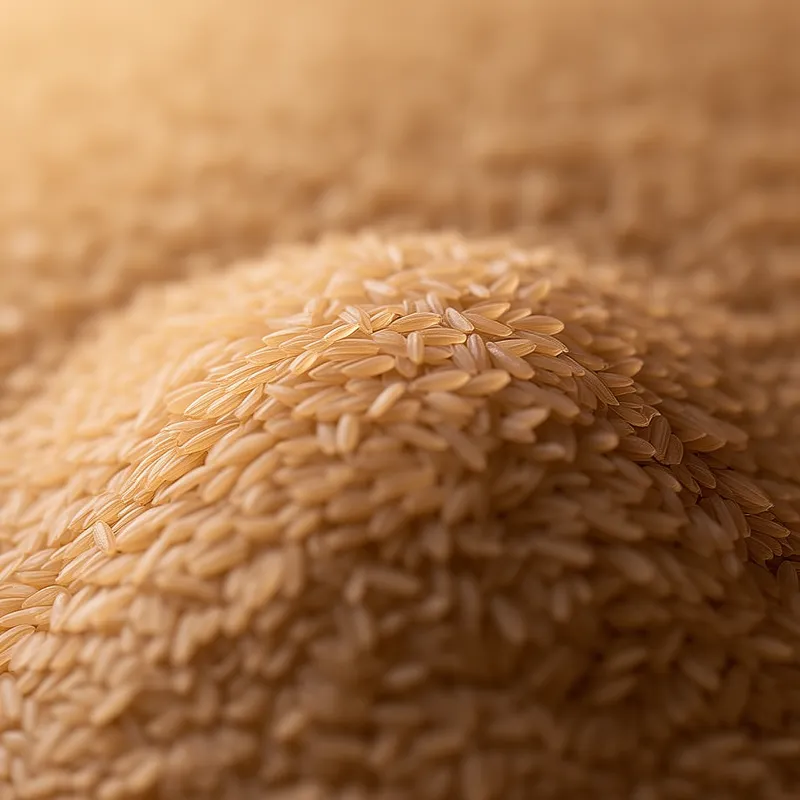 366 kcal