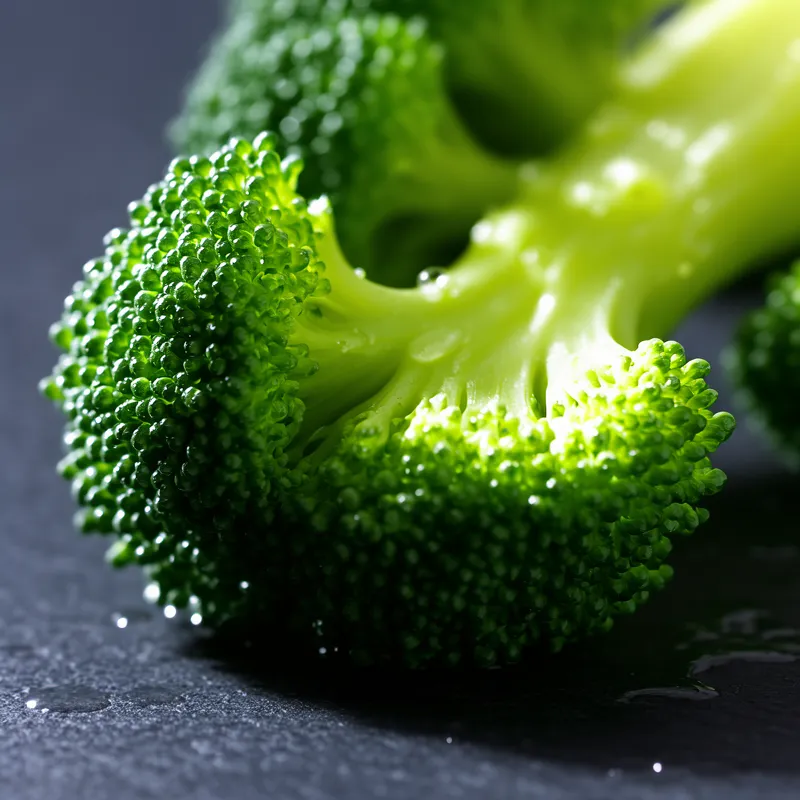
 31 kcal
 P 2.57g C 6.27g F 0.34g
The original Cantonese sweet and sour pork used naturally tart hawthorn berries, not the neon-red food coloring found in modern takeout.
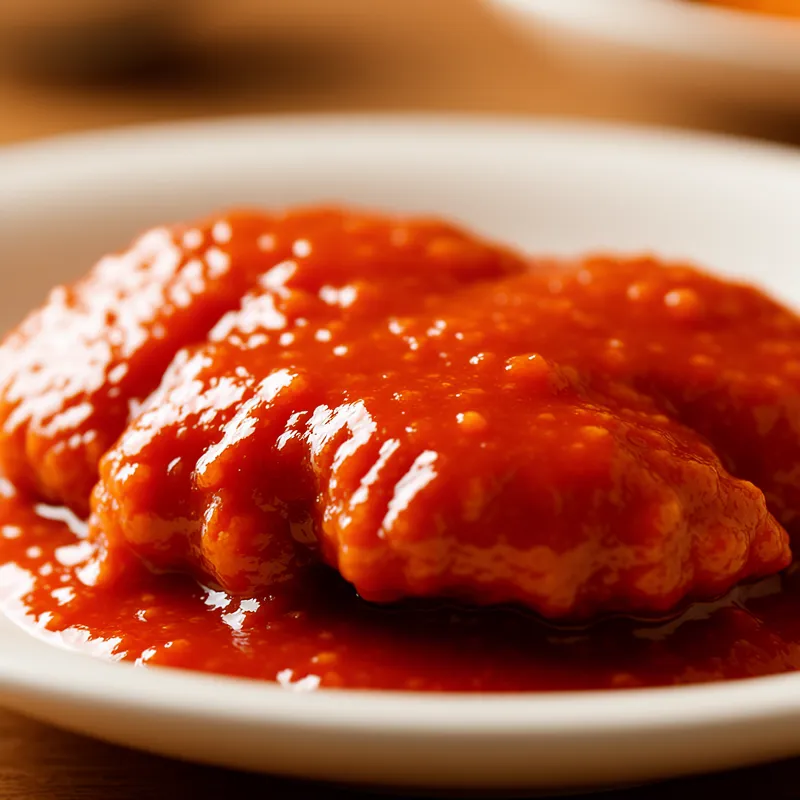
Sweet and sour pork, known in Cantonese as gūlōuròu, originated in China's Guangdong province long before it became a staple of American takeout menus. The traditional dish relied on a delicate balance of sugar and rice vinegar, often naturally thickened and tinted with tart fruits like hawthorn berries or plums. When Chinese immigrants opened restaurants in the United States in the 19th and 20th centuries, they adapted the recipe to suit local palates and available ingredients. This led to the modern American-Chinese version, which frequently substitutes the traditional fruit-based tartness with white vinegar, sugar, and ketchup or red food dye to achieve its signature neon-red hue. The pork itself is typically coated in a wet cornstarch batter and deep-fried. The intense heat of deep frying causes the starch granules to undergo rapid gelatinization and dehydration, creating a rigid, crispy shell. This structural barrier is crucial because it temporarily prevents the meat from turning soggy when the heavy, highly acidic syrup is poured over it just before serving.
Because restaurant sweet and sour pork is heavily battered and coated in a sugar-heavy syrup, it delivers a rapid spike in blood glucose. To blunt this glycemic response, pair a smaller portion with high-fiber, non-starchy vegetables like steamed broccoli or bok choy, which slow carbohydrate absorption. If reheating leftovers, use an oven or air fryer rather than a microwave to re-crisp the starch shell, preventing the pork from becoming a soggy, unappetizing mess.
Per 100g — daily values based on a 2,000 calorie diet
CalRay's AI recognizes sweet and sour pork and hundreds of thousands of other foods from a photo. No manual lookup needed.
Sweet and sour pork contains 260 calories per 100g. A standard serving of 1 order (611g) provides 1589 calories. It is relatively calorie-dense, so portion control is important.
Sweet and sour pork provides 8.88g of protein per 100g, which is 18% of the 50g daily recommended value. It is not a primary protein source.
Sweet and sour pork contains 25.5g of carbohydrates per 100g . It also provides 1g of dietary fiber.
Sweet and sour pork has 260 kcal per 100g, so portions need to be monitored on a weight-loss diet. Use CalRay to track your intake accurately.
The easiest way to track sweet and sour pork is with CalRay. Simply snap a photo of your meal and the AI will automatically identify the food and calculate calories and macros based on the estimated portion size — no manual lookup required. You can also search by name and adjust gram weight manually.
31 kcal 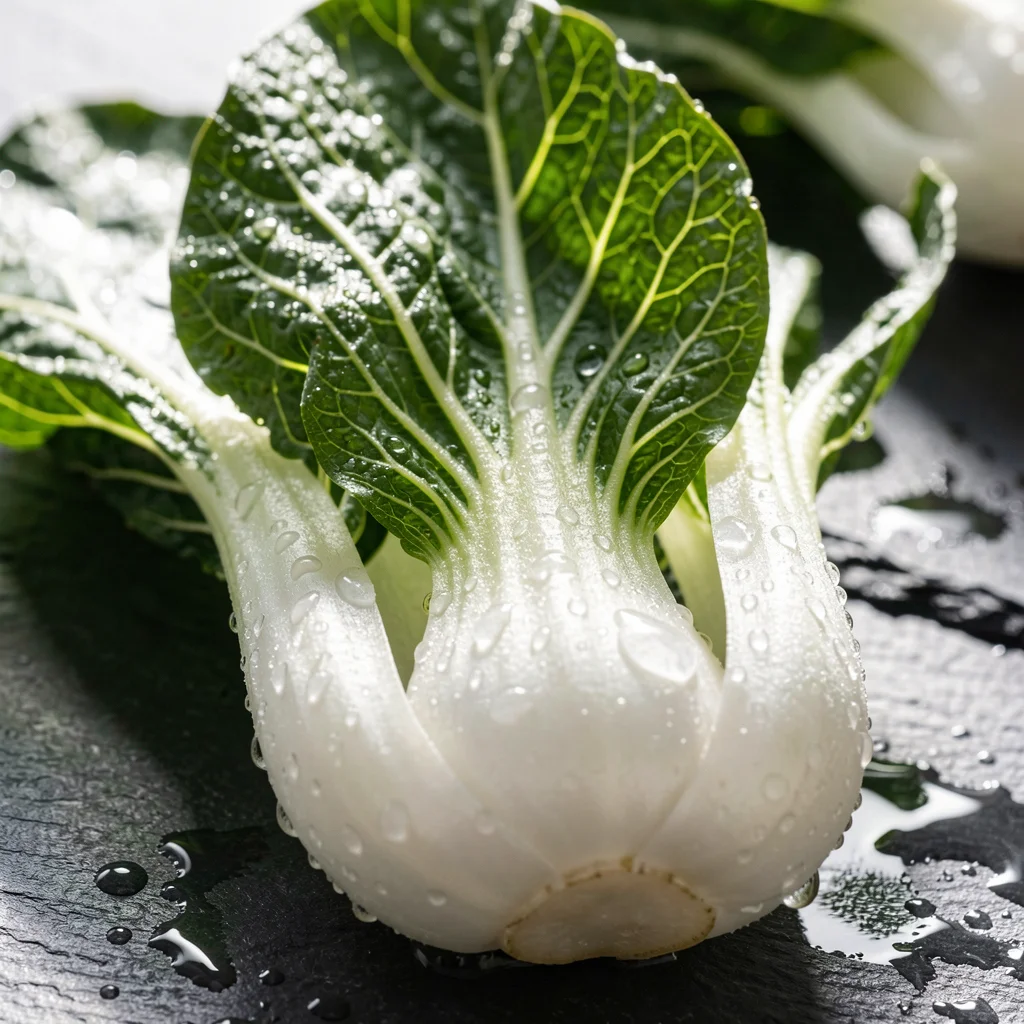 20 kcal
 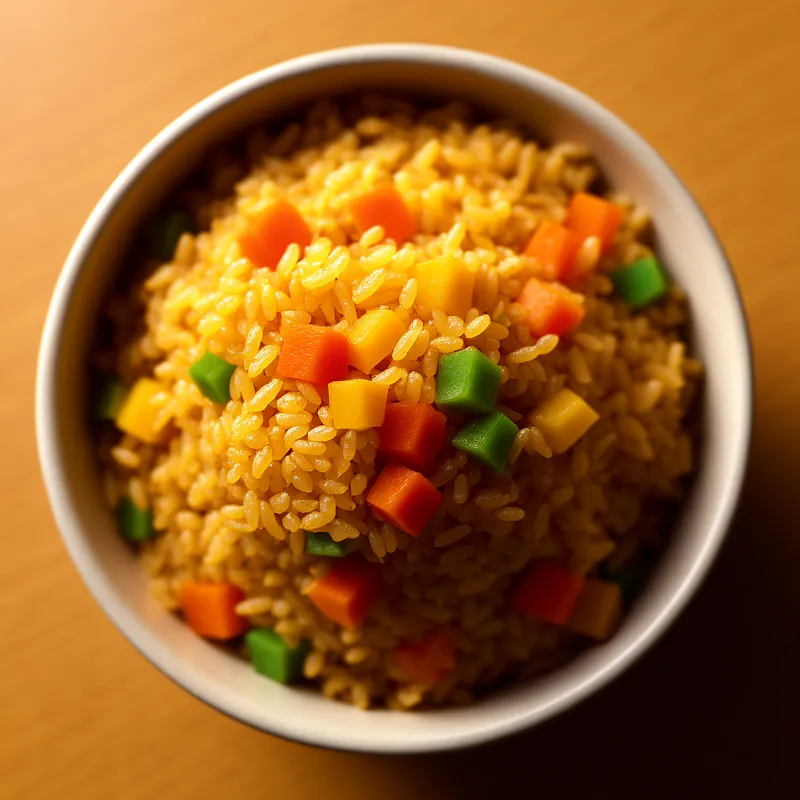 174 kcal