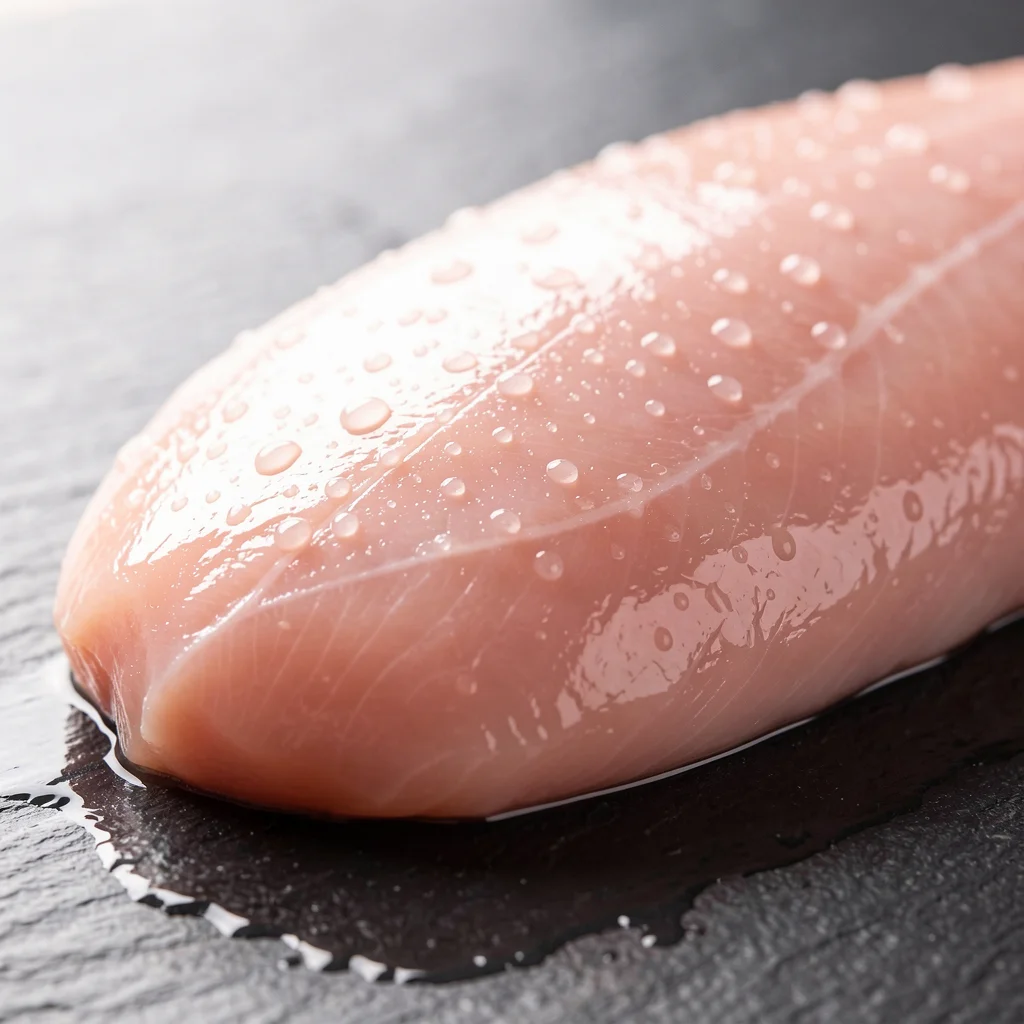
 107 kcal
 P 22.5g C 0g F 1.93g
The secret to perfect fried rice isn't just the oil—it's the staleness of the grain.
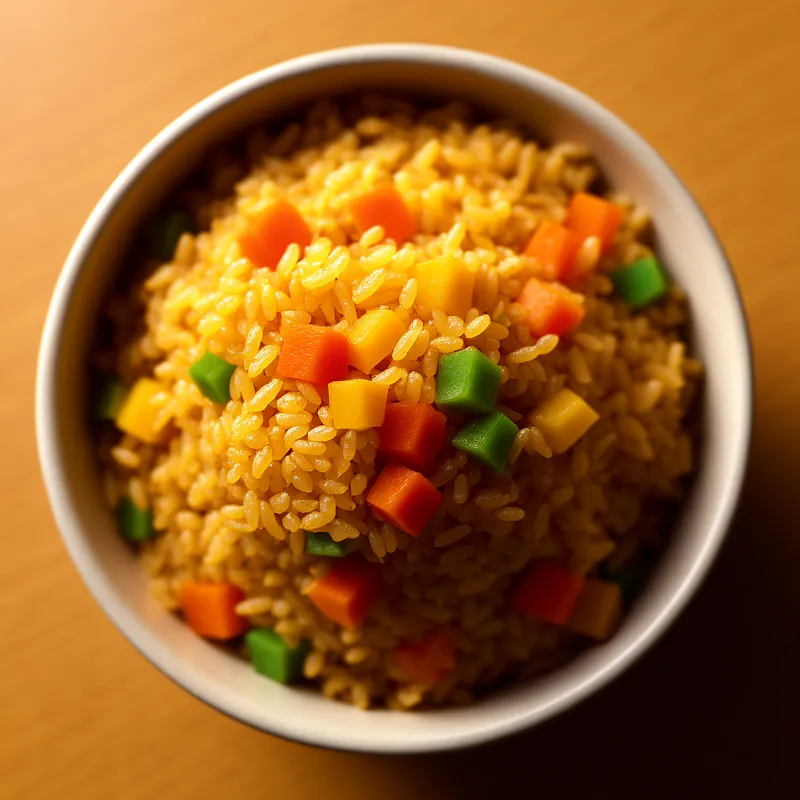
Fried rice was born out of necessity as a way to prevent food waste, with origins tracing back to the Sui dynasty in China around 589–618 AD. The fundamental chemistry of the dish relies on starch retrogradation. When cooked rice is chilled, its amylose and amylopectin molecules reorganize and crystallize, expelling water and firming up the texture. This retrogradation is why day-old, refrigerated rice is essential for the dish. Freshly cooked rice contains too much surface moisture, causing the grains to clump and turn mushy when they hit the hot wok. By using chilled rice, each grain remains distinct, allowing the oil and soy sauce to coat the individual grains rather than creating a starchy paste. The intense heat of a carbon steel wok then rapidly evaporates any remaining surface moisture, creating the coveted "wok hei"—the slightly smoky, caramelized flavor that defines authentic restaurant-style fried rice. This Maillard reaction on the rice's exterior provides the complex, nutty notes that fresh rice simply cannot achieve.
To maximize texture and minimize mushiness, always prepare fried rice with rice that has been cooked and refrigerated for at least 12 hours. This chilling process allows the starches to retrograde, reducing the glycemic impact slightly compared to fresh rice. When cooking, use a high-smoke-point oil like peanut oil to withstand wok temperatures. To boost the protein content of this carb-heavy dish, fold in scrambled eggs or diced chicken breast during the final minutes of cooking.
Per 100g — daily values based on a 2,000 calorie diet
CalRay's AI recognizes fried rice and hundreds of thousands of other foods from a photo. No manual lookup needed.
Fried rice contains 174 calories per 100g. A standard serving of 1 cup (133g) provides 231 calories. It is relatively calorie-dense, so portion control is important.
Fried rice provides 3.84g of protein per 100g, which is 8% of the 50g daily recommended value. It is not a primary protein source.
Fried rice contains 32.5g of carbohydrates per 100g .
Fried rice has 174 kcal per 100g, so portions need to be monitored on a weight-loss diet. Use CalRay to track your intake accurately.
The easiest way to track fried rice is with CalRay. Simply snap a photo of your meal and the AI will automatically identify the food and calculate calories and macros based on the estimated portion size — no manual lookup required. You can also search by name and adjust gram weight manually.
107 kcal 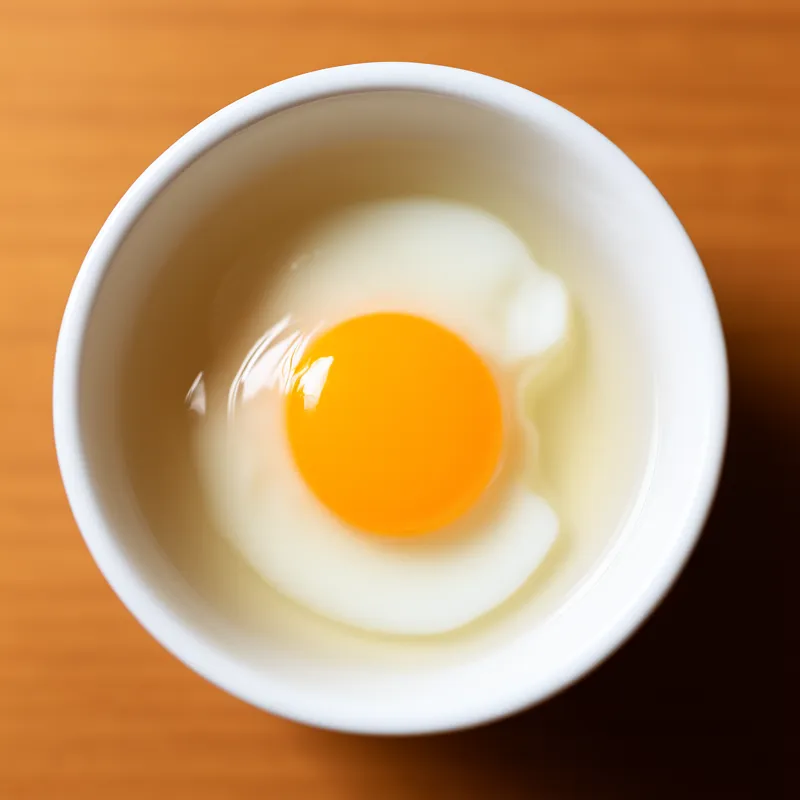 150 kcal
 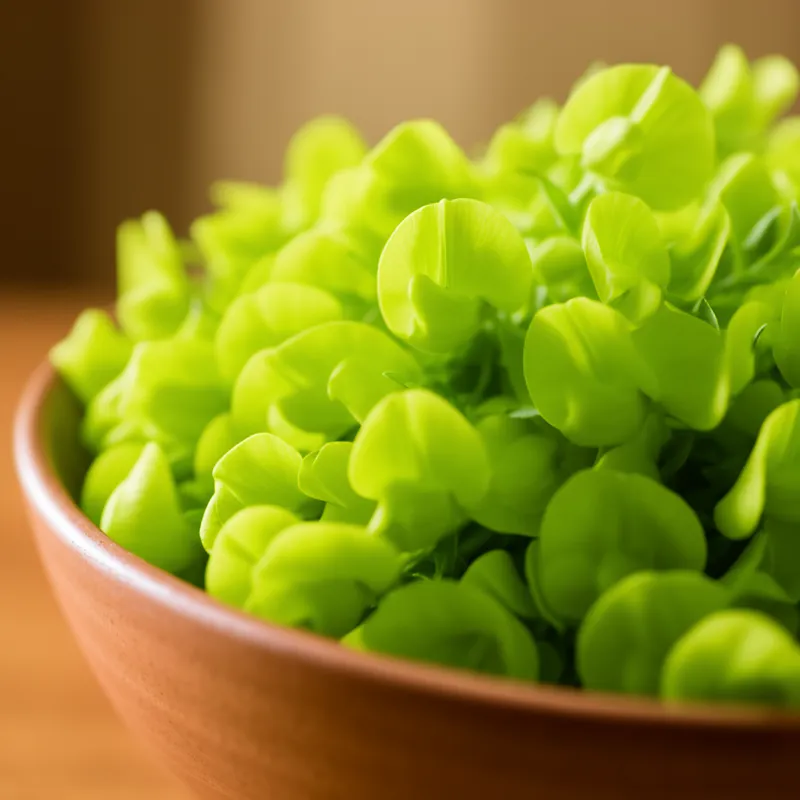 80 kcal