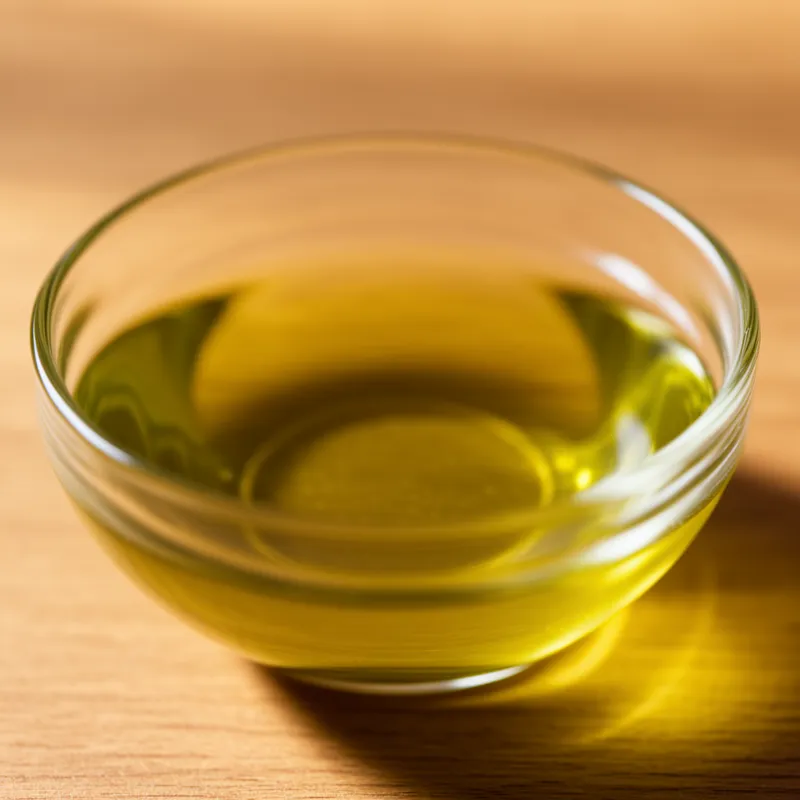
 884 kcal
 P 0g C 0g F 100g
Radicchio's vibrant crimson leaves are not natural; they are the result of a centuries-old forced blanching technique.
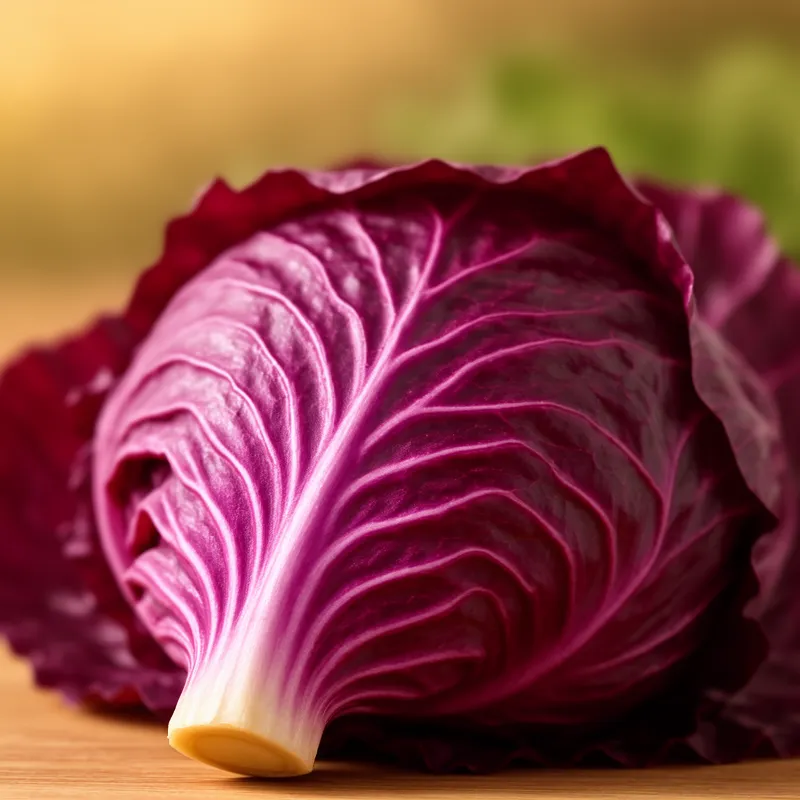
Radicchio is a cultivated form of chicory, Cichorium intybus, but the striking red leaves we eat today are the product of a labor-intensive forced blanching process known as imbiancamento. Developed in Italy during the 19th century, this technique involves uprooting the plants in late autumn and transferring them to dark, temperature-controlled hydroponic pools or sand beds. Deprived of light, the new leaves cannot produce chlorophyll, which strips away the green color and harsh astringency, leaving behind the ruby hues and a milder, nutty bitterness. The cold temperatures also trigger the plant to convert its starches into sugars, balancing the bitter compounds called sesquiterpene lactones. These compounds, specifically lactucin and lactucopicrin, are not just flavor agents; they have been studied for potential anti-inflammatory and sedative properties. This meticulous agricultural method is why radicchio is categorized differently from standard loose-leaf lettuces and why true radicchio varieties like Chioggia and Treviso carry protected geographical indication (PGI) status in Europe, ensuring they are grown using these traditional, light-deprived methods.
Radicchio's sturdy leaves hold up exceptionally well to heat, making it ideal for grilling or roasting, which caramelizes its natural sugars and tempers its bitterness. Cut the head into wedges, leave the core intact to prevent falling apart, and char it lightly. Pair it with a fat-based dressing containing olive oil or avocado to coat the bitter compounds and balance the flavor profile. Store unwashed heads wrapped tightly in plastic in the crisper drawer to prevent moisture from accelerating decay.
Per 100g — daily values based on a 2,000 calorie diet
CalRay's AI recognizes radicchio and hundreds of thousands of other foods from a photo. No manual lookup needed.
Radicchio contains 26 calories per 100g. It is considered a very low-calorie food (under 50 kcal/100g), making it excellent for weight management.
Radicchio provides 1.31g of protein per 100g, which is 3% of the 50g daily recommended value. It is not a primary protein source.
Radicchio contains 4.96g of carbohydrates per 100g . It also provides 2.11g of dietary fiber.
Yes! Radicchio is very low in calories (26 kcal/100g) and can be eaten in generous portions even on a calorie-restricted diet.
The easiest way to track radicchio is with CalRay. Simply snap a photo of your meal and the AI will automatically identify the food and calculate calories and macros based on the estimated portion size — no manual lookup required. You can also search by name and adjust gram weight manually.
884 kcal 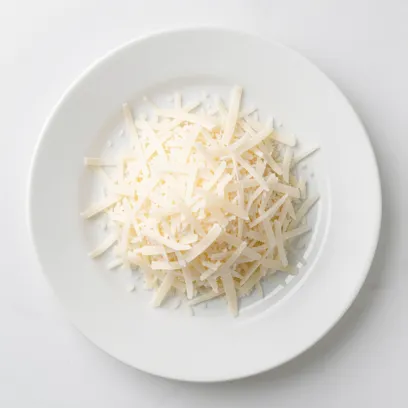 421 kcal
 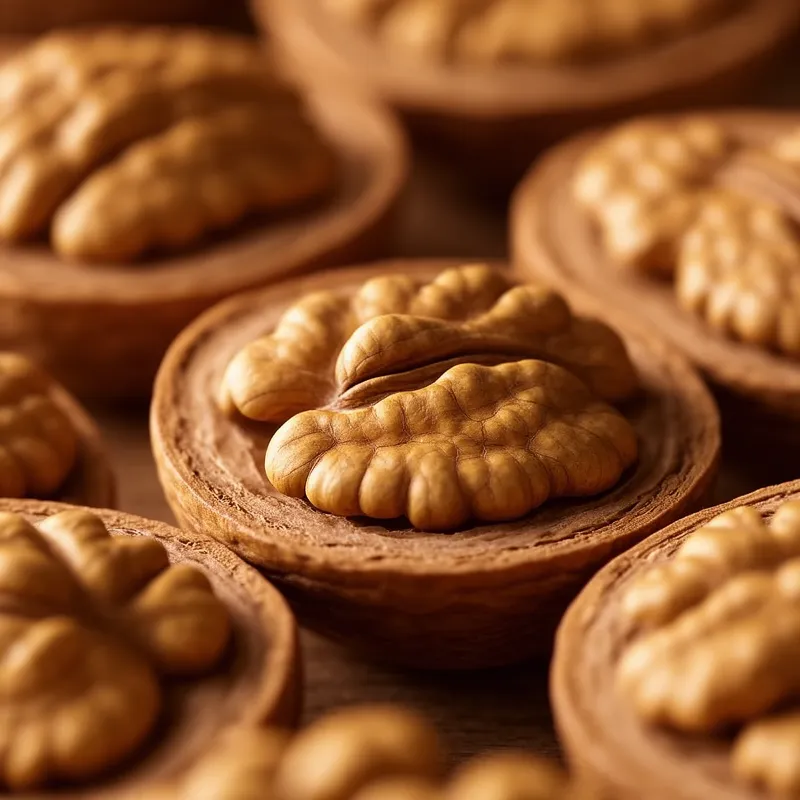 729 kcal