 143 kcal
 P 6.62g C 28.2g F 0.38g
A deep-frying champion whose refining process paradoxically erases the very proteins that cause peanut allergies.
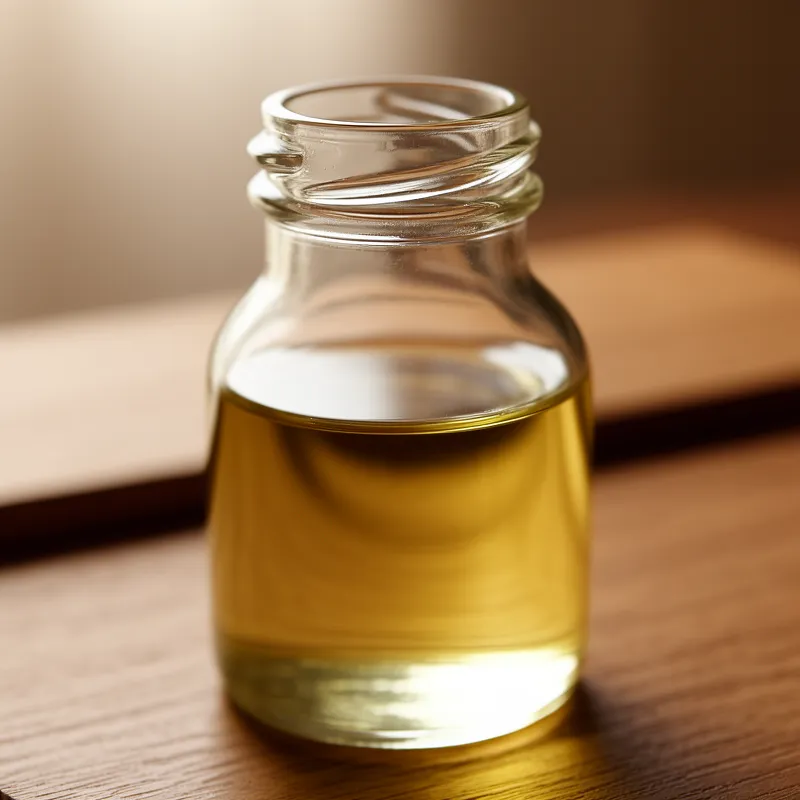
Peanut oil possesses one of the highest smoke points of any cooking oil, typically reaching around 230°C (446°F) when refined. This remarkable heat resistance stems from its specific fatty acid profile, which is roughly 50% monounsaturated fats, primarily oleic acid. Unlike polyunsaturated fats, which contain multiple double bonds that are highly susceptible to oxidative damage at high temperatures, the single double bond in oleic acid provides significant structural stability. The refining process further enhances this stability by removing free fatty acids, proteins, and other impurities that would otherwise burn and smoke. Interestingly, this rigorous refining process also strips away the allergenic proteins that trigger peanut allergies. Because the proteins are entirely removed, highly refined peanut oil is generally exempt from allergen labeling requirements in the United States, though cold-pressed or unrefined gourmet peanut oils still retain these proteins and pose a severe risk to allergic individuals. Unrefined roasted peanut oil, which is mechanically pressed to preserve its deep amber color and intense nutty flavor, has a dramatically lower smoke point and is rarely used for frying, serving instead as a potent finishing oil.
Use refined peanut oil for high-heat cooking methods like deep-frying and stir-frying, where its neutral flavor and thermal stability shine. Store it in a cool, dark pantry to prevent oxidation, or refrigerate it to significantly extend its shelf life. Unrefined roasted peanut oil should be reserved as a finishing oil; drizzle it over salads, steamed vegetables, or noodles to impart a rich, nutty aroma. Pair it with aromatics like garlic and ginger for a quick, flavorful stir-fry base.
Per 100g — daily values based on a 2,000 calorie diet
CalRay's AI recognizes oil and hundreds of thousands of other foods from a photo. No manual lookup needed.
Oil, peanut contains 884 calories per 100g. It is relatively calorie-dense, so portion control is important.
Oil, peanut provides 0g of protein per 100g, which is 0% of the 50g daily recommended value. It is not a primary protein source.
Oil, peanut contains 0g of carbohydrates per 100g .
Oil, peanut has 884 kcal per 100g, so portions need to be monitored on a weight-loss diet. Use CalRay to track your intake accurately.
The easiest way to track oil is with CalRay. Simply snap a photo of your meal and the AI will automatically identify the food and calculate calories and macros based on the estimated portion size — no manual lookup required. You can also search by name and adjust gram weight manually.
143 kcal  174 kcal
  107 kcal