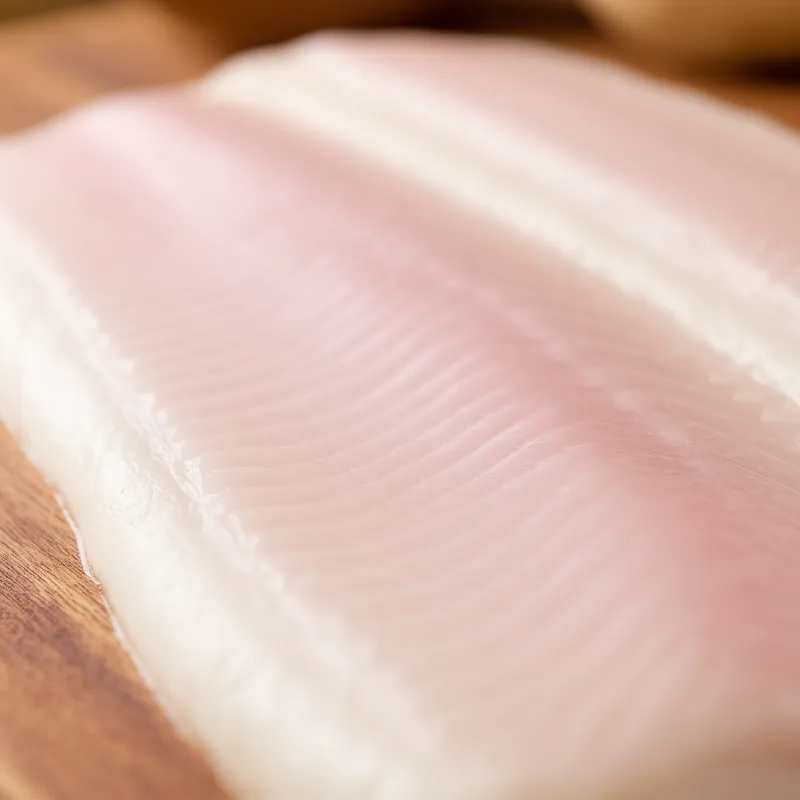
 132 kcal
 P 16.5g C 0g F 7.31g
Refined corn oil contains more cholesterol-blocking phytosterols than almost any other common cooking oil.
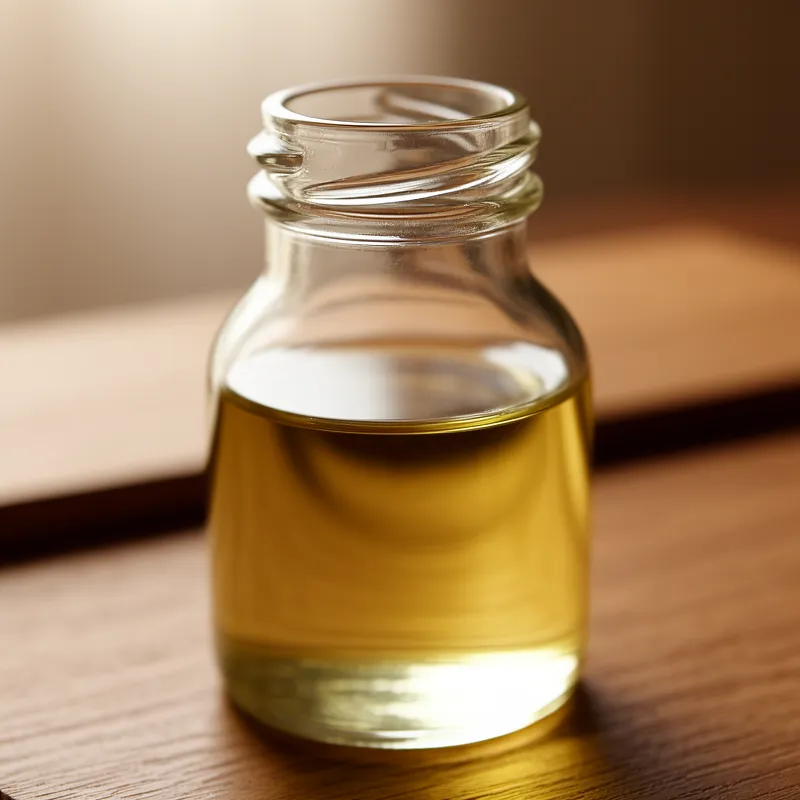
Corn oil is extracted from the germ of the corn kernel, which contains about 85% of the kernel's total oil. The extraction process typically involves a combination of mechanical pressing and solvent extraction, followed by extensive refining to remove free fatty acids, waxes, and pigments. One of the most chemically distinctive features of corn oil is its exceptionally high phytosterol content—significantly higher than soybean or canola oil. Phytosterols are plant-derived compounds structurally similar to cholesterol, and in the human digestive tract, they compete with dietary and biliary cholesterol for absorption into micelles, effectively reducing the amount of cholesterol that enters the bloodstream. Additionally, corn oil has a very high smoke point (around 232°C or 450°F) due to its refining process and fatty acid profile, which is rich in heat-stable monounsaturated and polyunsaturated fats, particularly linoleic acid. This high smoke point makes it highly resistant to thermal breakdown during high-heat cooking methods like frying.
Because of its neutral flavor and high smoke point, refined corn oil is best reserved for high-heat applications like deep-frying, stir-frying, and searing, where its stability prevents the formation of off-flavors. It is not ideal for salad dressings or finishing oils, as it lacks the nuanced flavor of extra virgin olive oil. Store it in a cool, dark place to prevent oxidation of its polyunsaturated fats, and keep it tightly sealed to maximize shelf life.
Per 100g — daily values based on a 2,000 calorie diet
CalRay's AI recognizes oil and hundreds of thousands of other foods from a photo. No manual lookup needed.
Oil, corn contains 884 calories per 100g. A standard serving of 100 milliliter (91.3g) provides 807 calories. It is relatively calorie-dense, so portion control is important.
Oil, corn provides 0g of protein per 100g, which is 0% of the 50g daily recommended value. It is not a primary protein source.
Oil, corn contains 0g of carbohydrates per 100g .
Oil, corn has 884 kcal per 100g, so portions need to be monitored on a weight-loss diet. Use CalRay to track your intake accurately.
The easiest way to track oil is with CalRay. Simply snap a photo of your meal and the AI will automatically identify the food and calculate calories and macros based on the estimated portion size — no manual lookup required. You can also search by name and adjust gram weight manually.
132 kcal 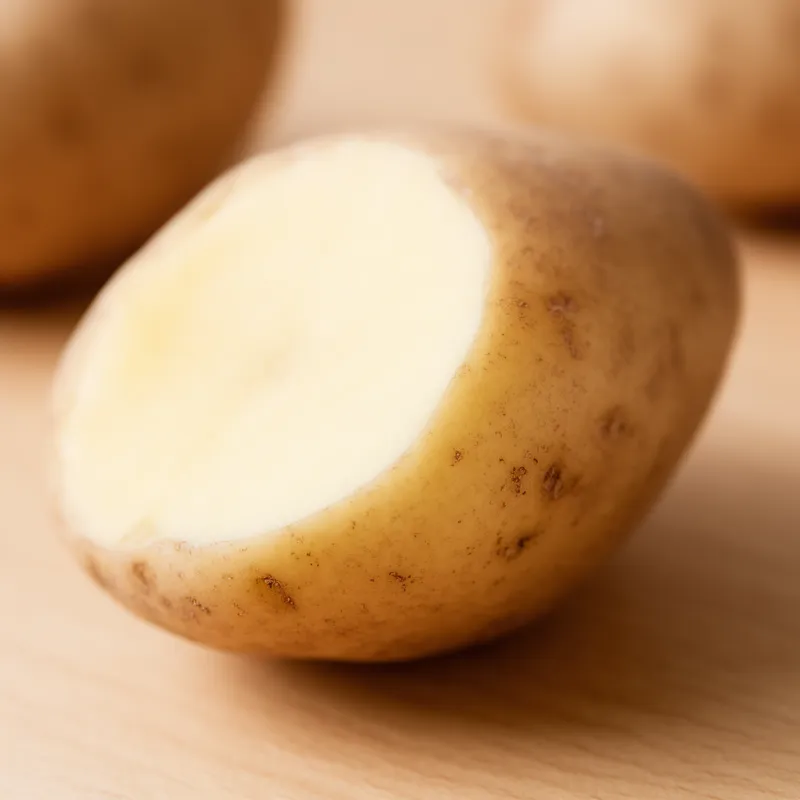 84 kcal
 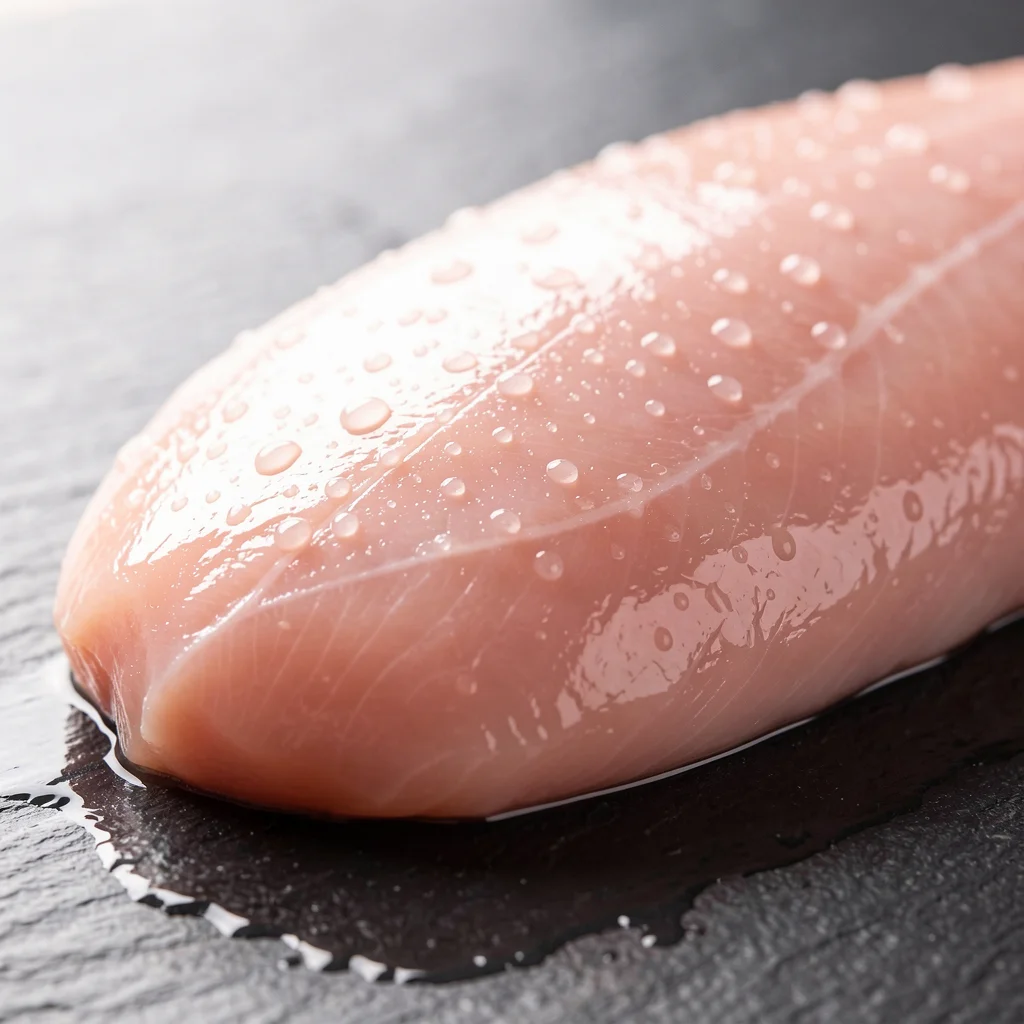 107 kcal