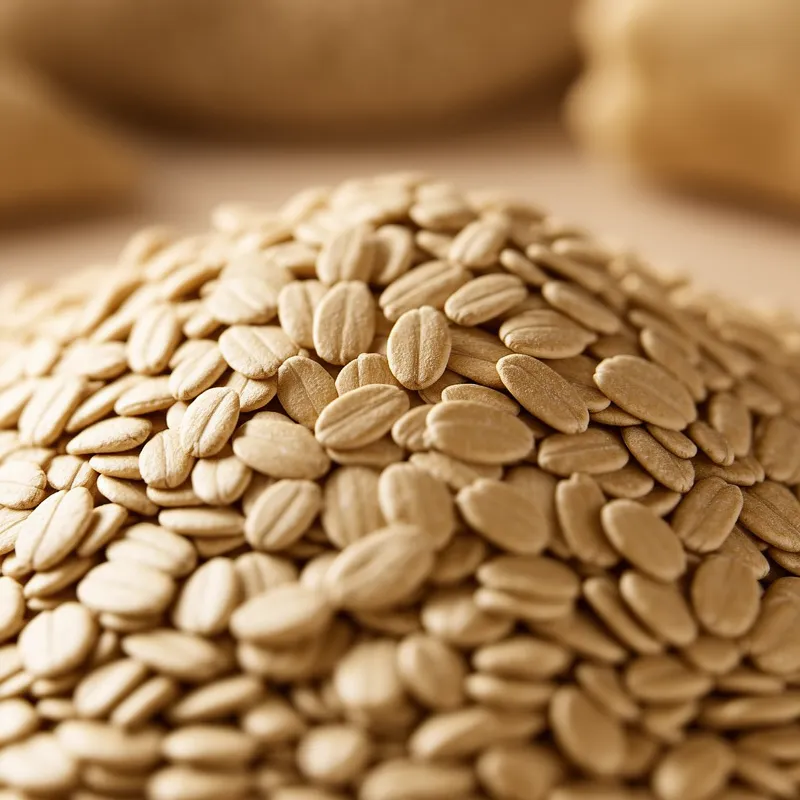
 382 kcal
 P 13.5g C 68.7g F 5.89g
1% milk retains the same essential calcium and protein as whole milk while shedding two-thirds of the fat.
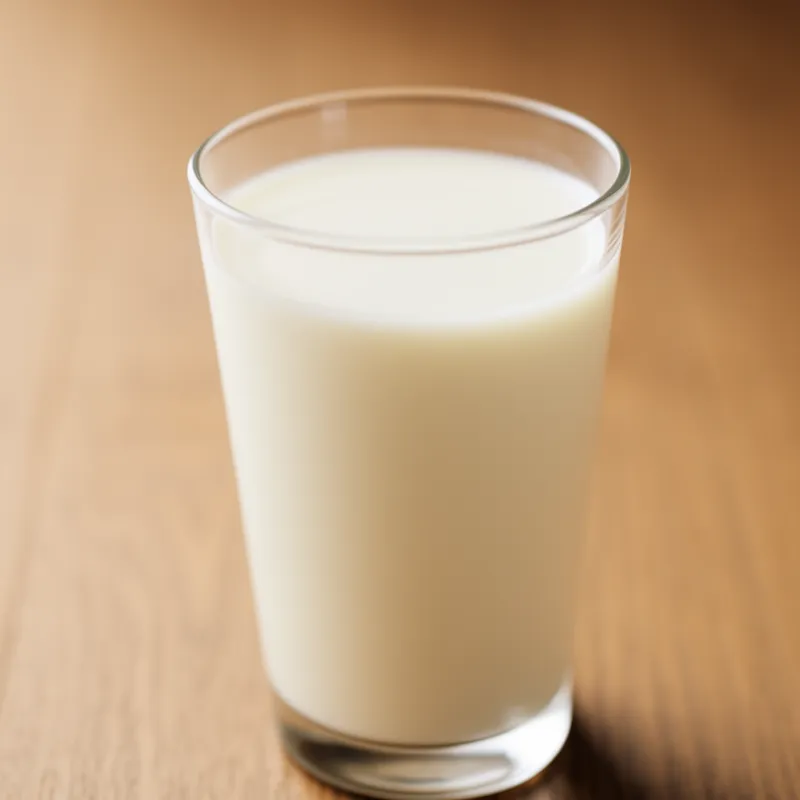
The standardization of lowfat milk is a feat of dairy engineering. Raw cow's milk naturally separates because its fat globules are lighter than water and rise to the top. To create 1% milk, dairies first use centrifuges to spin all the fat out, creating skim milk and heavy cream. They then blend the cream back into the skim in precise ratios to achieve exactly one percent milkfat by weight. This standardization process ensures a consistent mouthfeel and caloric profile year-round, regardless of seasonal changes in the cow's diet that would otherwise alter the natural fat content. Furthermore, because fat acts as a carrier for fat-soluble vitamins, most commercial 1% milk is fortified with vitamins A and D to replace what was lost during fat extraction. The remaining 0.95 grams of fat per 100 grams is just enough to help your body absorb these added vitamins without significantly increasing the caloric load.
Use 1% milk as a base for overnight oats or protein smoothies; the small amount of fat helps your body absorb fat-soluble vitamins from added fruits like mangoes or berries. When heating it for lattes or béchamel sauce, avoid boiling, as the lower fat content makes it more prone to curdling than whole milk. Store it in the coldest part of the refrigerator, not the door, to maximize freshness and prevent premature spoilage.
Per 100g — daily values based on a 2,000 calorie diet
CalRay's AI recognizes milk and hundreds of thousands of other foods from a photo. No manual lookup needed.
Milk, lowfat, fluid, 1% milkfat contains 43 calories per 100g. A standard serving of 1 cup (246g) provides 106 calories. It is considered a very low-calorie food (under 50 kcal/100g), making it excellent for weight management.
Milk, lowfat, fluid, 1% milkfat provides 3.38g of protein per 100g, which is 7% of the 50g daily recommended value. It is not a primary protein source.
Milk, lowfat, fluid, 1% milkfat contains 5.18g of carbohydrates per 100g .
Yes! Milk, lowfat, fluid, 1% milkfat is very low in calories (43 kcal/100g) and can be eaten in generous portions even on a calorie-restricted diet.
The easiest way to track milk is with CalRay. Simply snap a photo of your meal and the AI will automatically identify the food and calculate calories and macros based on the estimated portion size — no manual lookup required. You can also search by name and adjust gram weight manually.
382 kcal  36 kcal
 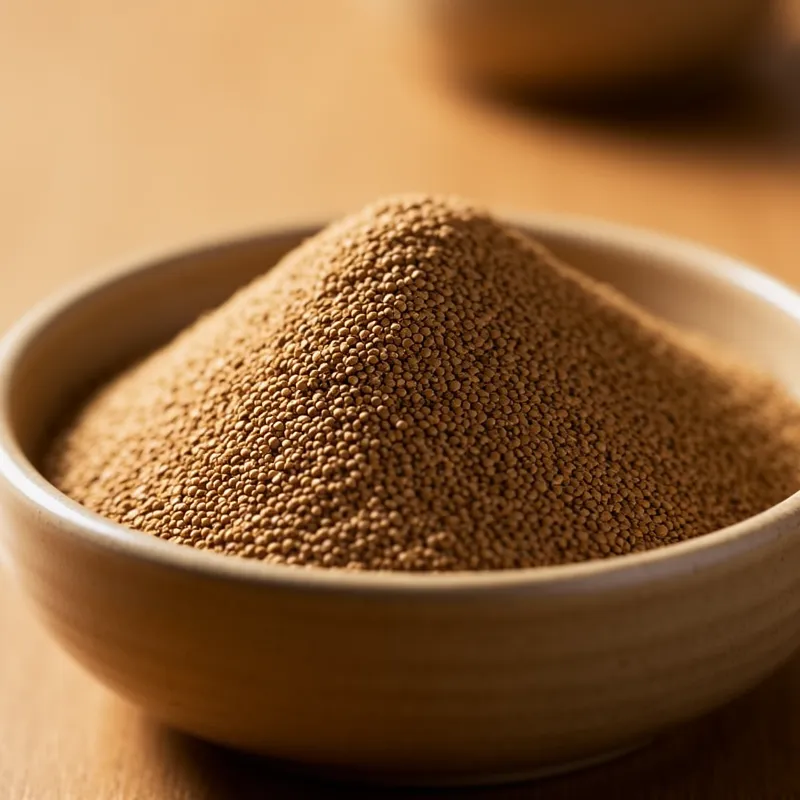 545 kcal