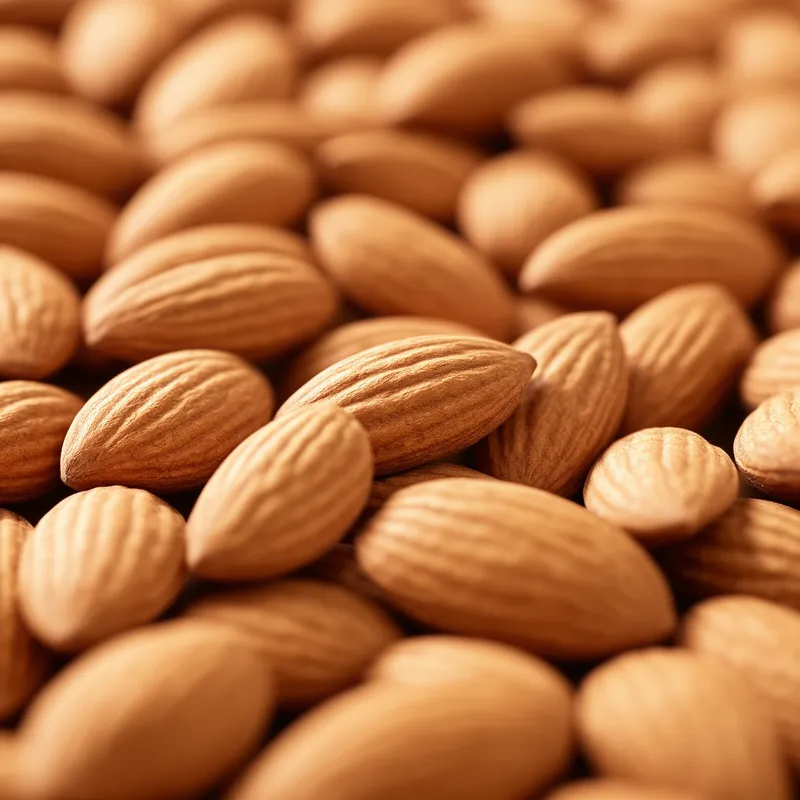
 626 kcal
 P 21.5g C 20g F 51.1g
Most modern sweet oranges are actually ancient genetic hybrids of the mandarin and the pomelo.
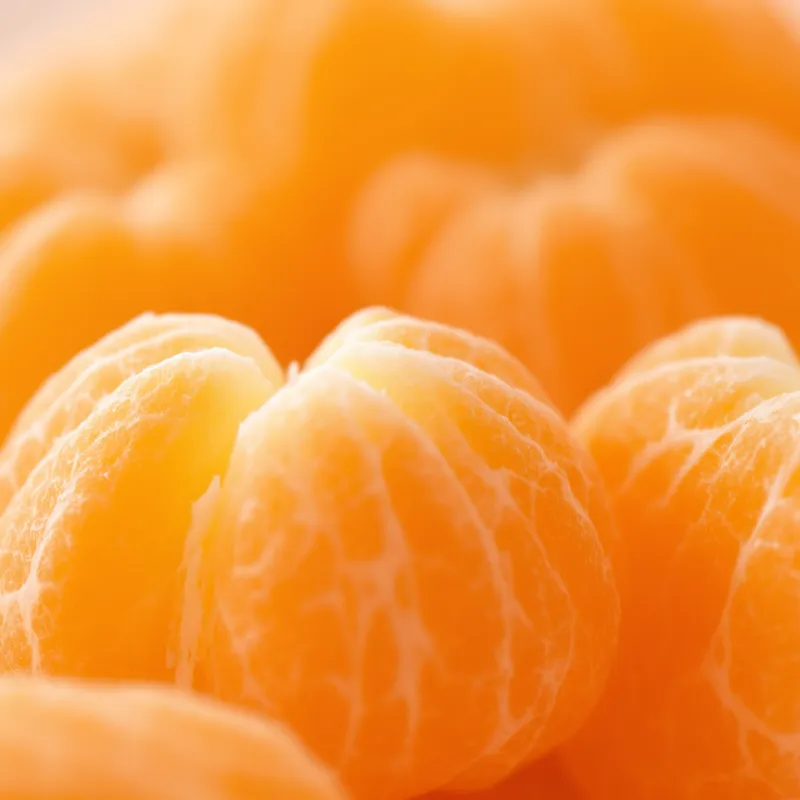
Mandarins are one of the few true citrus species, alongside pomelos and citrons, meaning they are not a hybrid themselves but rather the ancient ancestors of many fruits we eat today. In fact, most standard sweet oranges are actually genetic hybrids of the mandarin and the pomelo. The signature loose, puffy peel of a mandarin is a natural mutation that creates an air pocket between the rind and the flesh, acting as an insulating layer that historically helped the fruit survive cold snaps in its native Asia. The seedless varieties you find in stores, such as Satsumas, achieve this state through a biological process called parthenocarpy. In parthenocarpy, the fruit develops without its flowers being fertilized, meaning no seeds can form. Because this means the plant cannot reproduce via seed, seedless mandarins must be propagated entirely through grafting, making them completely dependent on human cultivation for their survival.
Because they are naturally sweet and low in fat, peeled seedless mandarins make an excellent standalone snack, but their bright acidity also cuts through rich, savory dishes. Toss segments into a salad with bitter greens and toasted almonds to balance flavors, or use the juice as a marinade base for chicken breast to tenderize the meat before cooking. Store them in a cool, dry place for up to a week, or refrigerate them in a breathable bag to maintain their high water content and prevent the flesh from drying out for up to a month.
Per 100g — daily values based on a 2,000 calorie diet
CalRay's AI recognizes mandarin and hundreds of thousands of other foods from a photo. No manual lookup needed.
Mandarin, seedless, peeled contains 62 calories per 100g. A standard serving of 1 RACC (140g) provides 87 calories. It is a moderate-calorie food that can fit into most healthy diets.
Mandarin, seedless, peeled provides 1.04g of protein per 100g, which is 2% of the 50g daily recommended value. It is not a primary protein source.
Mandarin, seedless, peeled contains 13.4g of carbohydrates per 100g . It also provides 1.33g of dietary fiber.
Mandarin, seedless, peeled has 62 kcal per 100g, which is relatively moderate. It can fit into a weight-loss diet as long as portion sizes are managed.
The easiest way to track mandarin is with CalRay. Simply snap a photo of your meal and the AI will automatically identify the food and calculate calories and macros based on the estimated portion size — no manual lookup required. You can also search by name and adjust gram weight manually.
626 kcal 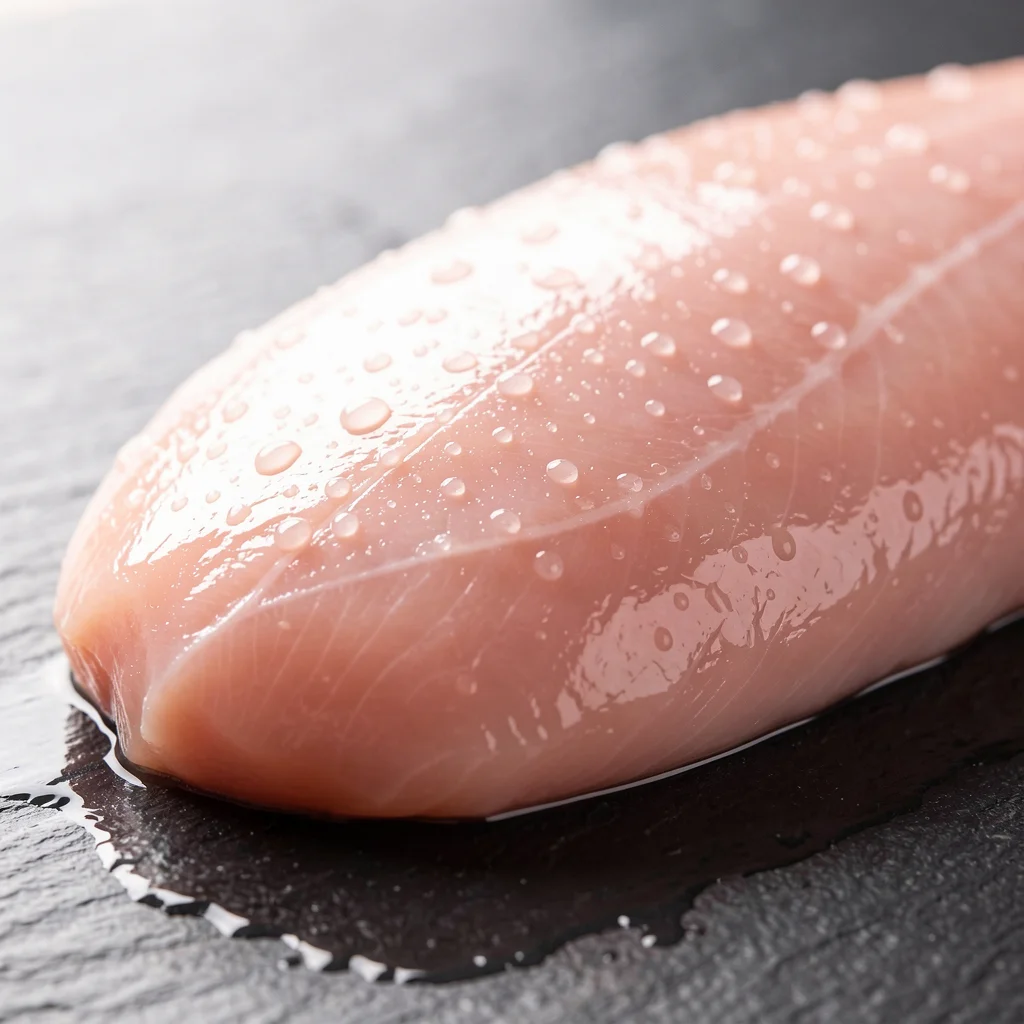 107 kcal
 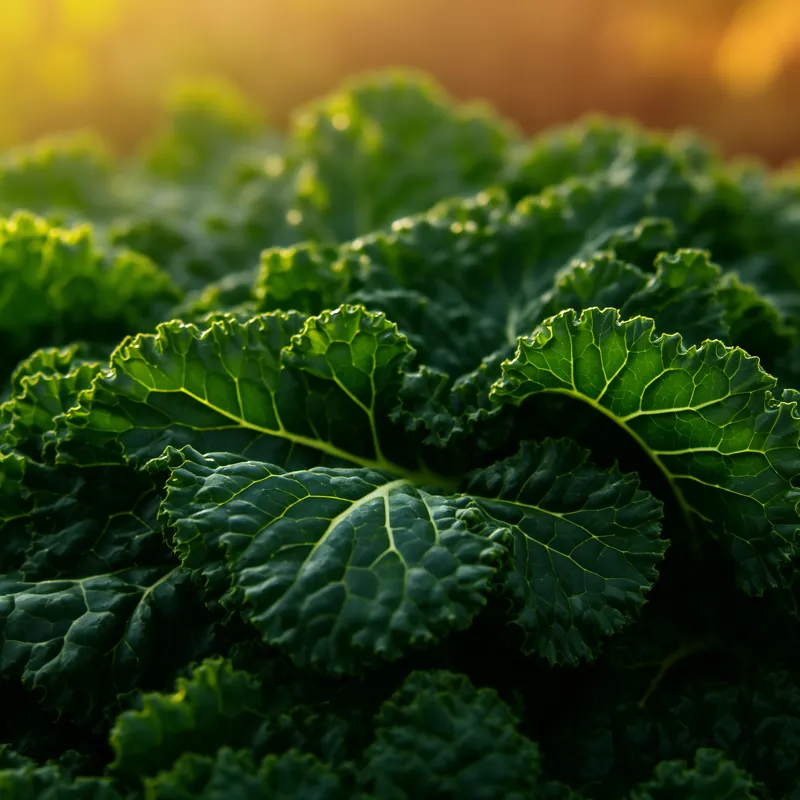 35 kcal