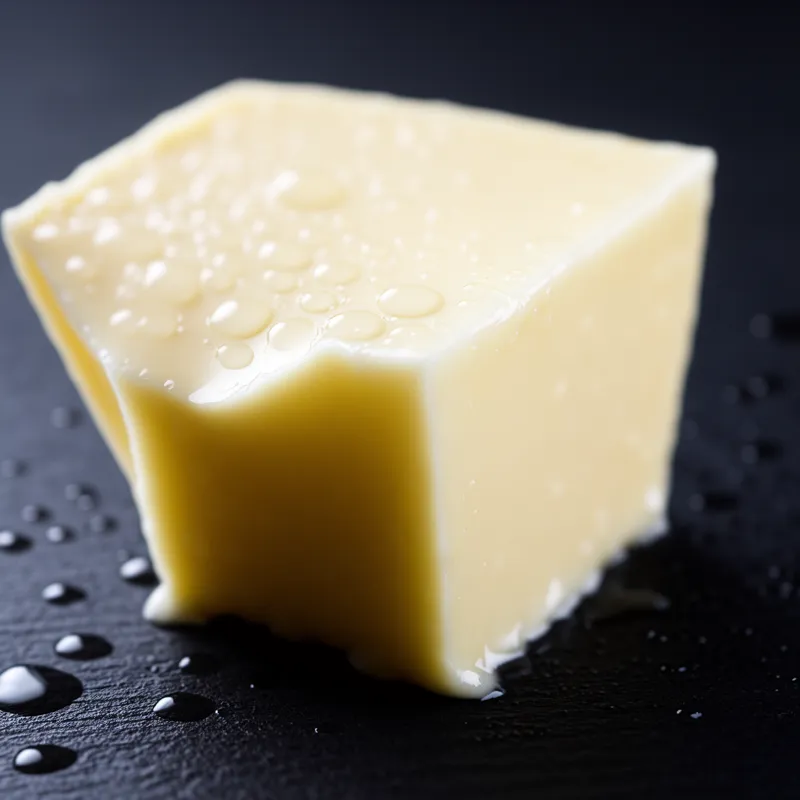
 734 kcal
 F 81.5g
The vivid red shell of a cooked lobster hides a pigment that becomes a powerful antioxidant only when released by heat.
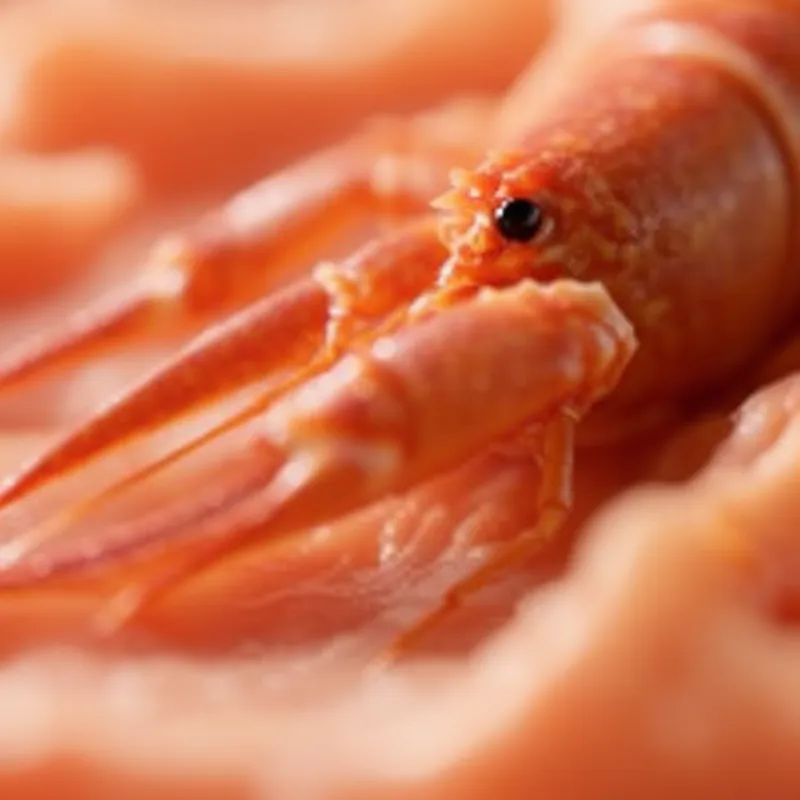
Lobsters possess a pigment called astaxanthin in their shells. In a live lobster, this pigment is bound to a protein complex called crustacyanin, which twists the pigment molecules and alters their light absorption, making the shell appear blue or greenish-brown. When the lobster is boiled, the heat denatures the crustacyanin protein, releasing the astaxanthin and allowing it to revert to its natural, vibrant red-orange state. Beyond the shell, the tail meat itself is an exceptionally lean source of complete protein, largely composed of fast-twitch muscle fibers designed for rapid, powerful backward escapes from predators. This muscle structure gives the tail its characteristic firm, slightly chewy texture compared to the softer claw meat. Because the tail contains very little intramuscular fat—less than half a gram per 100 grams—it relies heavily on moisture retention during cooking. Overcooking quickly squeezes out this water, resulting in a tough, rubbery texture, which is why precise temperature control is critical when preparing this prized cut.
Because lobster tail is so low in fat, it dries out quickly if overcooked. To preserve moisture, steam or grill the tail just until the meat turns opaque and reaches an internal temperature of 135°F to 140°F. Avoid prolonged boiling. Serve it with a source of healthy fats, like drawn butter or olive oil, to aid in the absorption of fat-soluble vitamins and provide satiety, since the meat itself contains almost zero dietary fat. Pairing it with acidic ingredients like lemon also helps brighten its naturally sweet, mild flavor.
Per 100g — daily values based on a 2,000 calorie diet
CalRay's AI recognizes lobster and hundreds of thousands of other foods from a photo. No manual lookup needed.
Lobster, tail only contains 59 calories per 100g. It is a moderate-calorie food that can fit into most healthy diets.
Lobster, tail only provides 13g of protein per 100g, which is 26% of the 50g daily recommended value. It is a good source of protein.
Lobster, tail only contains 0.89g of carbohydrates per 100g .
Lobster, tail only has 59 kcal per 100g, which is relatively moderate. It can fit into a weight-loss diet as long as portion sizes are managed.
The easiest way to track lobster is with CalRay. Simply snap a photo of your meal and the AI will automatically identify the food and calculate calories and macros based on the estimated portion size — no manual lookup required. You can also search by name and adjust gram weight manually.
734 kcal 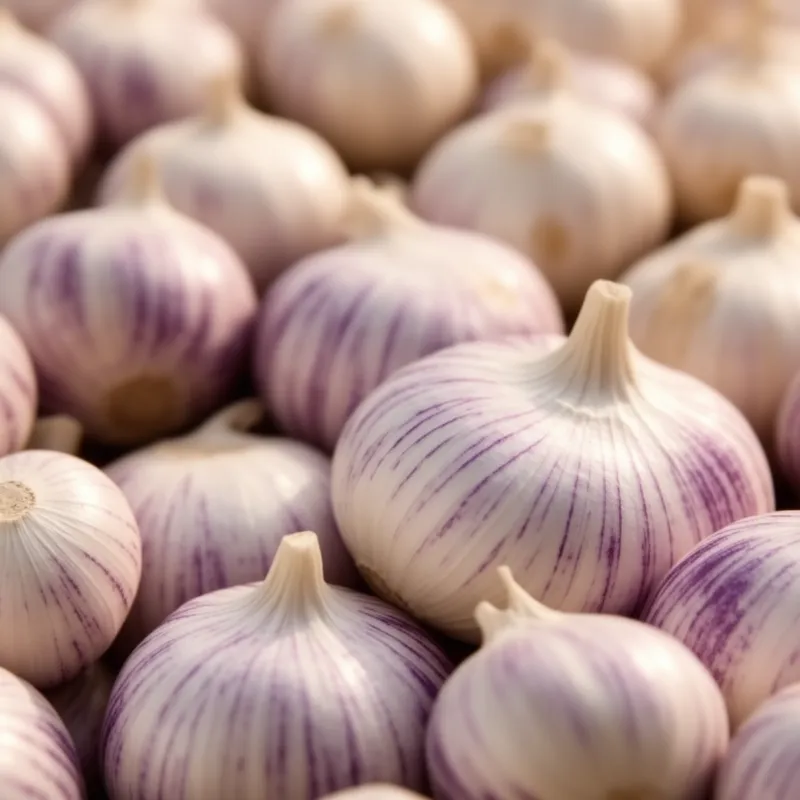 143 kcal
 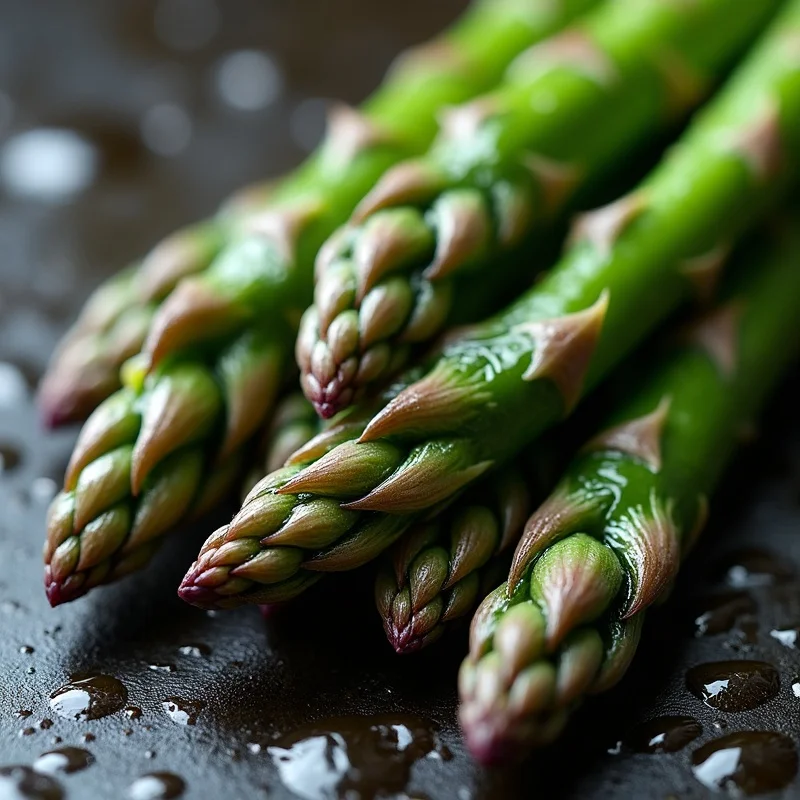 28 kcal