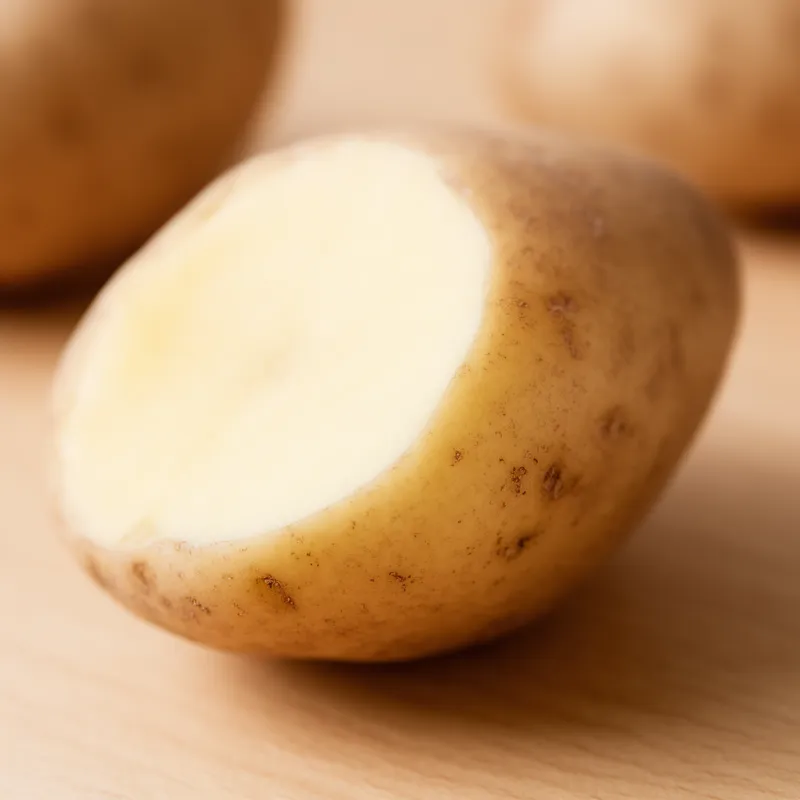
 84 kcal
 P 2.27g C 17.8g F 0.36g
The national symbol of Wales is actually a living sulfur laboratory that sweetens when heated.
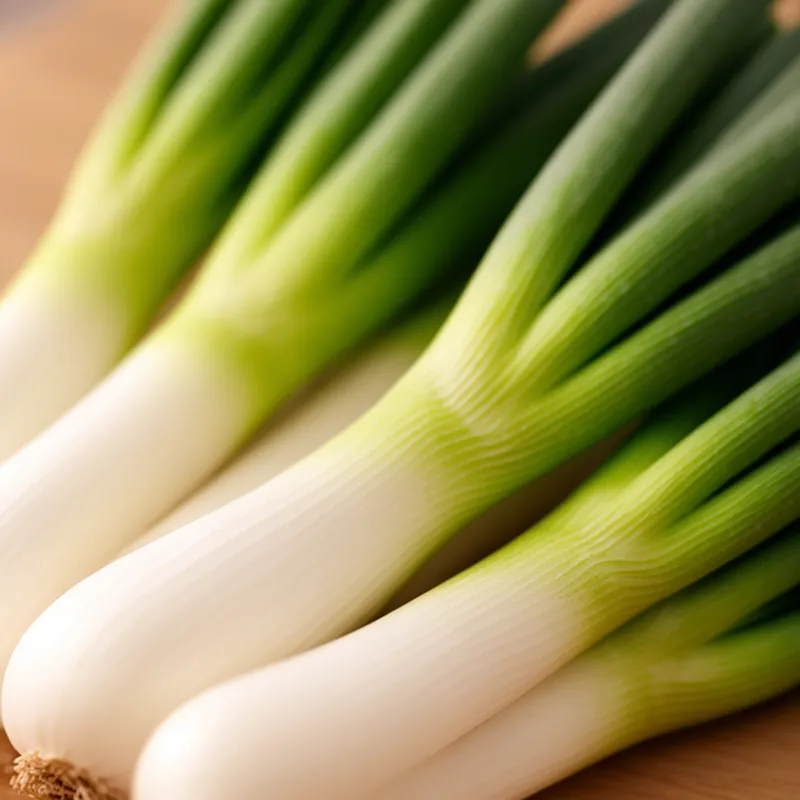
Leeks (Allium ampeloprasum) carry a unique botanical distinction: they are the only major allium that does not form a true bulb. Instead, the edible "bulb" is actually a tightly packed pseudostem formed by overlapping leaf sheaths. When cut, leeks release volatile sulfur compounds like allicin, generated when the enzyme alliinase reacts with the precursor alliin. Unlike onions, leeks contain a higher proportion of specific fructans—chains of fructose molecules that act as prebiotic fiber. These fructans are responsible for the vegetable's subtle sweetness when cooked slowly, as they break down and caramelize without the sharp pungency of onion-derived sulfur compounds. Historically, the leek's layered structure made it a symbol of resilience, famously adopted by the Welsh. According to legend, King Cadwallon ordered his soldiers to wear leeks on their helmets during a 7th-century battle against the Saxons to distinguish friend from foe in the fields. Today, this structural quirk means leeks require meticulous cleaning, as soil routinely gets trapped between the sheaths during the blanching process, where farmers mound dirt around the base to keep it white and tender.
Slice leeks lengthwise and fan the layers under cold running water to dislodge trapped grit, as soil inevitably accumulates between the sheaths during blanching. Sauté them slowly in olive oil or butter over low heat to coax out their natural fructan sweetness without browning. They pair exceptionally well with potatoes in soups, where their mild sulfur compounds complement starchy bases. Store them unwashed in the crisper drawer, where they will keep for up to two weeks without losing their delicate texture.
Per 100g — daily values based on a 2,000 calorie diet
CalRay's AI recognizes leeks and hundreds of thousands of other foods from a photo. No manual lookup needed.
Leeks, bulb and greens, root removed contains 61 calories per 100g. A standard serving of 1 RACC (85g) provides 52 calories. It is a moderate-calorie food that can fit into most healthy diets.
Leeks, bulb and greens, root removed provides 1.47g of protein per 100g, which is 3% of the 50g daily recommended value. It is not a primary protein source.
Leeks, bulb and greens, root removed contains 14.15g of carbohydrates per 100g . It also provides 3g of dietary fiber.
Leeks, bulb and greens, root removed has 61 kcal per 100g, which is relatively moderate. It can fit into a weight-loss diet as long as portion sizes are managed. Its fiber content (3g/100g) also promotes fullness.
The easiest way to track leeks is with CalRay. Simply snap a photo of your meal and the AI will automatically identify the food and calculate calories and macros based on the estimated portion size — no manual lookup required. You can also search by name and adjust gram weight manually.
84 kcal  884 kcal
  107 kcal