 122 kcal
 P 21.6g C 0g F 3.9g
A natural laxative liquid extracted from rehydrated dried plums, relying on sugar alcohols rather than fiber.
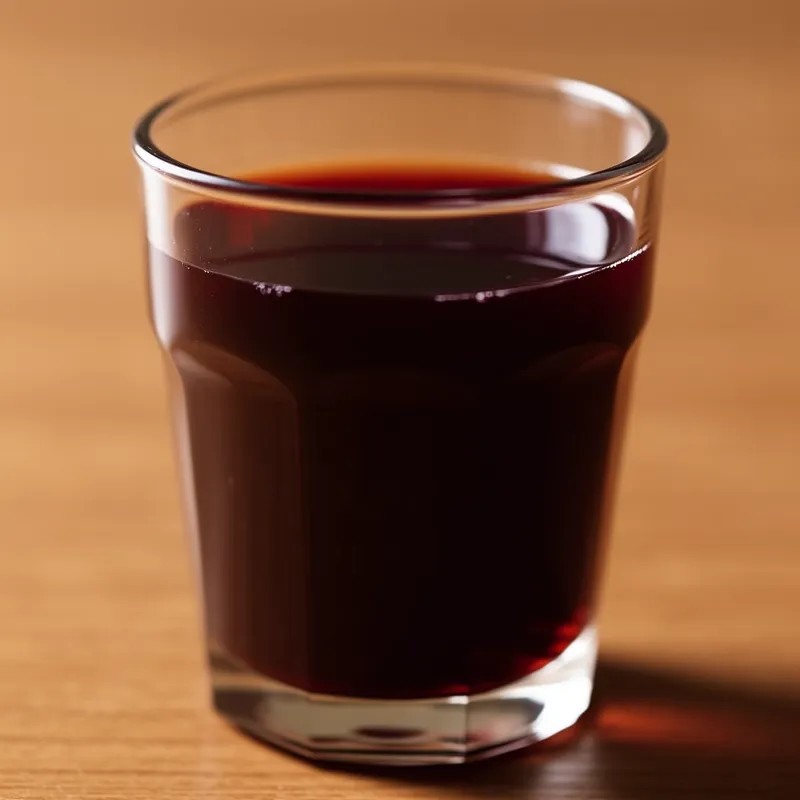
Unlike most fruit juices, prune juice cannot be made by simply pressing fresh fruit. Because prunes are dried plums, manufacturers must rehydrate them in hot water and then extract the resulting liquid. This unique process yields a beverage with a distinct chemical profile. While whole prunes are famous for their dietary fiber, prune juice contains very little fiber. Its well-known laxative effect actually comes from two other compounds: sorbitol and dihydroxyphenyl isatin. Sorbitol is a sugar alcohol that acts as an osmotic laxative, drawing water into the large intestine to soften stools. Meanwhile, dihydroxyphenyl isatin stimulates peristalsis, the wave-like muscle contractions that move contents through the digestive tract. Additionally, prune juice naturally contains high levels of malic acid, which contributes to its tart flavor profile and helps balance the intense sweetness of the sorbitol and natural sugars. The shelf-stable version undergoes pasteurization and is packaged in a way that preserves these active compounds without refrigeration until opened, making it a reliable pantry staple for digestive support.
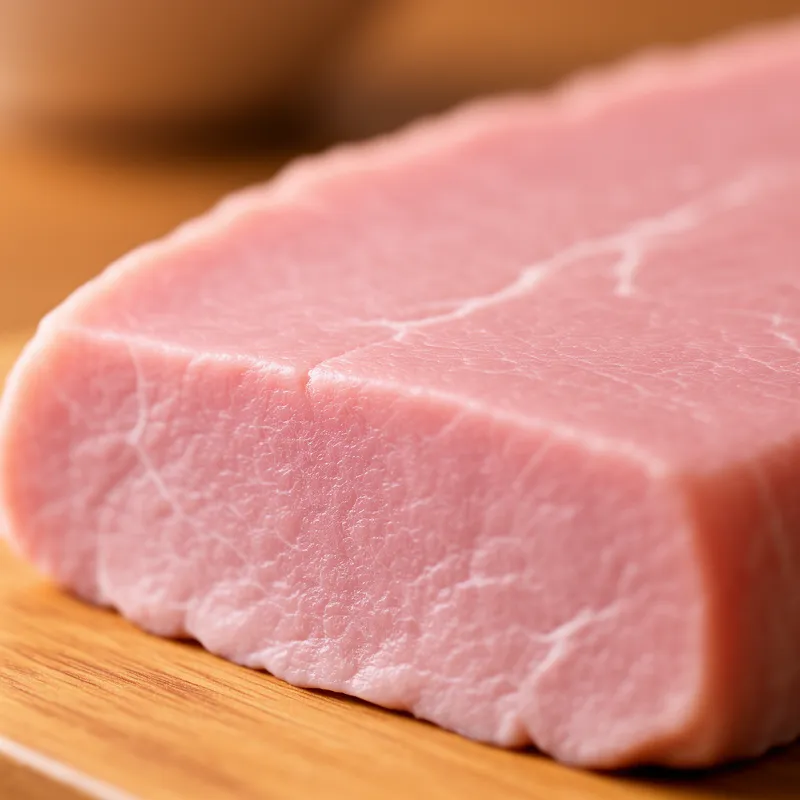
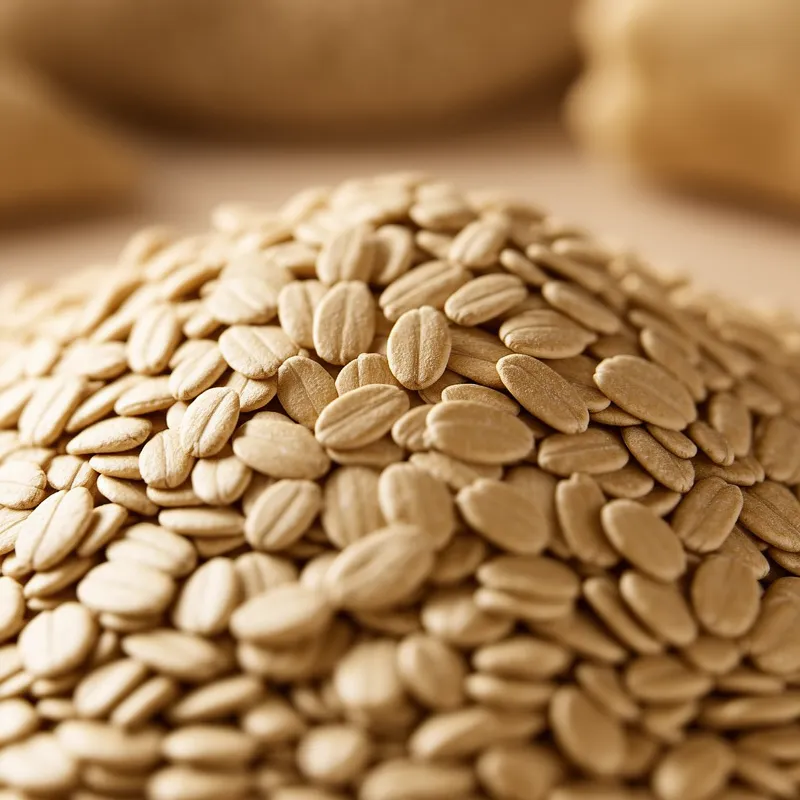
Shelf-stable prune juice can be stored in the pantry until opened, after which it requires refrigeration. Beyond drinking it straight, it works exceptionally well as a natural tenderizer and sweet glaze for pork tenderloin—its sorbitol and malic acid help break down meat fibers while promoting caramelization. You can also blend a few tablespoons into plain Greek yogurt or morning oatmeal to add natural sweetness and a subtle digestive boost without relying on refined sugars.
Per 100g — daily values based on a 2,000 calorie diet
CalRay's AI recognizes juice and hundreds of thousands of other foods from a photo. No manual lookup needed.
Juice, prune, shelf-stable contains 2 calories per 100g. It is considered a very low-calorie food (under 50 kcal/100g), making it excellent for weight management.
Juice, prune, shelf-stable provides 0.42g of protein per 100g, which is 1% of the 50g daily recommended value. It is not a primary protein source.
Juice, prune, shelf-stable contains 0g of carbohydrates per 100g .
Yes! Juice, prune, shelf-stable is very low in calories (2 kcal/100g) and can be eaten in generous portions even on a calorie-restricted diet.
The easiest way to track juice is with CalRay. Simply snap a photo of your meal and the AI will automatically identify the food and calculate calories and macros based on the estimated portion size — no manual lookup required. You can also search by name and adjust gram weight manually.
122 kcal 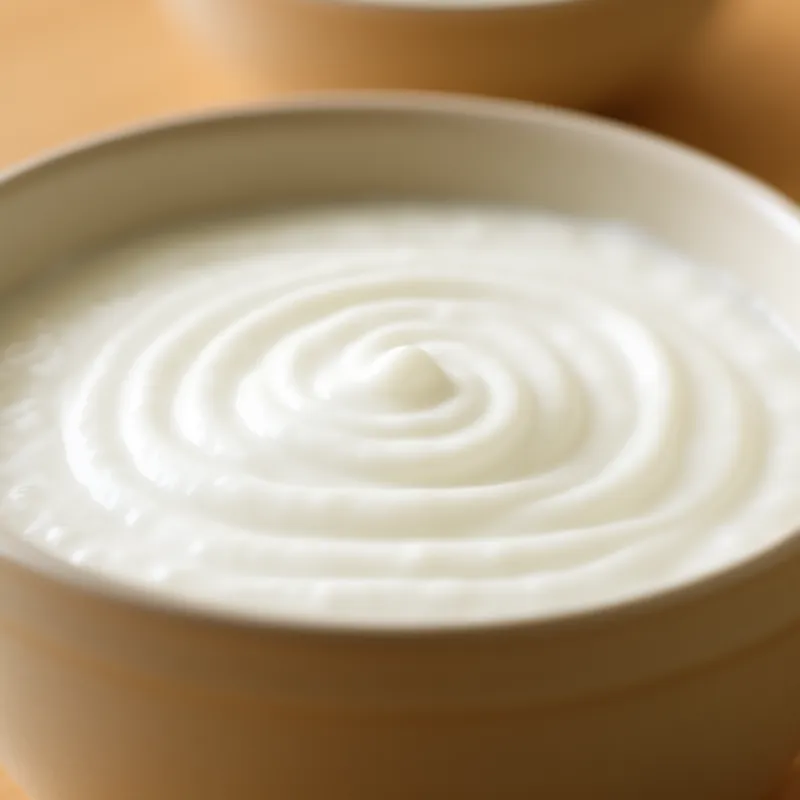 61 kcal
  382 kcal