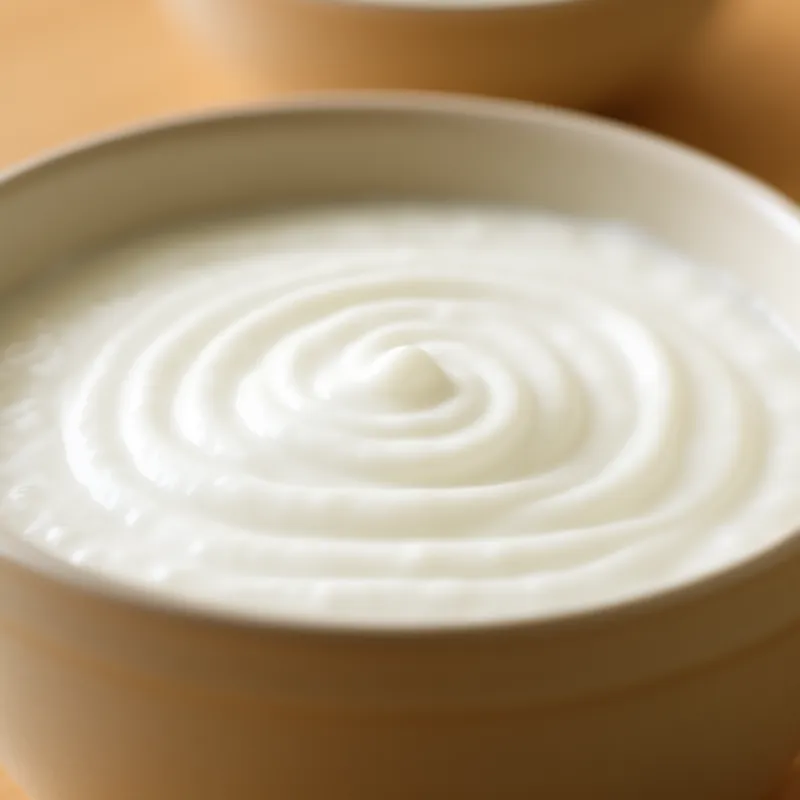
 61 kcal
 P 10.3g C 3.64g F 0.37g
This breakfast staple can silently multiply the potency of dozens of common prescription medications.
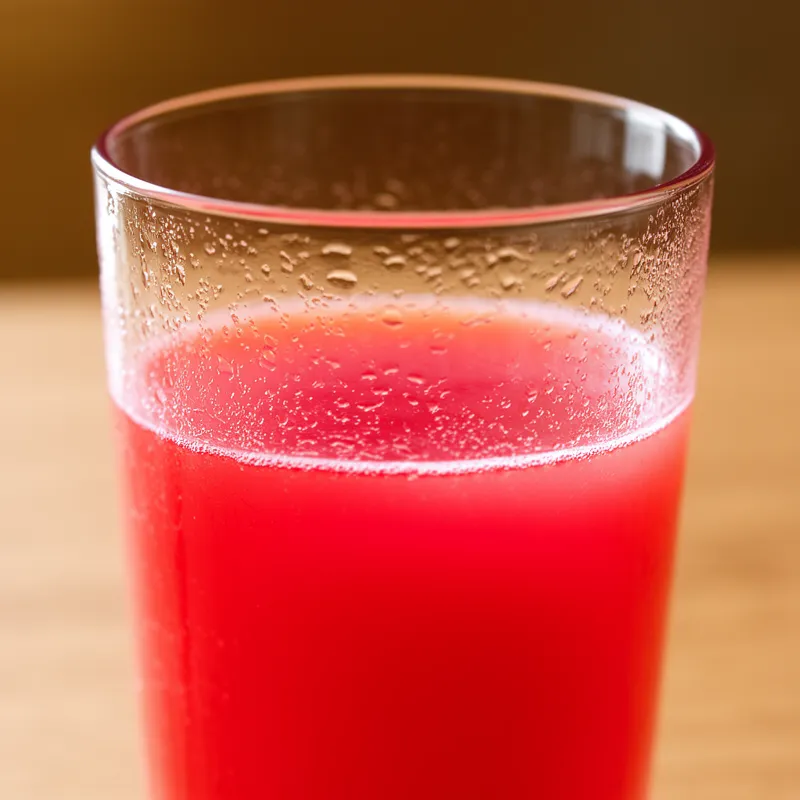
In 1989, researchers at a Canadian hospital were studying how the blood-pressure drug felodipine interacted with alcohol. To mask the alcohol's taste, they used grapefruit juice as a mixer — and noticed something unexpected: felodipine blood levels were far higher than anticipated, regardless of alcohol. The culprit turned out to be furanocoumarins, compounds naturally present in grapefruit that irreversibly inhibit CYP3A4, an enzyme lining the intestinal wall that normally breaks down a wide range of medications before they reach the bloodstream. With CYP3A4 disabled, drugs like certain statins, calcium channel blockers, and immunosuppressants can enter circulation at multiples of their intended dose, sometimes dangerously. The effect persists until the intestinal lining regenerates — roughly 72 hours after a single glass. Red grapefruit juice also contains lycopene, the same carotenoid pigment responsible for the red color of tomatoes, which is unusual among citrus. Unlike white grapefruit varieties, red cultivars like Ruby Red accumulate lycopene in their juice sacs, giving the pressed juice its distinctive pink-red hue without any added coloring.
Store red grapefruit juice refrigerated and consume within 7–10 days of opening for best flavor and vitamin C retention. If you take prescription medications — especially statins, blood pressure drugs, or anti-anxiety medications — consult a pharmacist before drinking it regularly, as the CYP3A4 interaction can persist for up to three days. For a complementary pairing, combine with plain Greek yogurt: the juice's vitamin C enhances iron and calcium absorption, while the yogurt's protein helps stabilize blood sugar against the juice's natural sugars.
Per 100g — daily values based on a 2,000 calorie diet
CalRay's AI recognizes grapefruit juice and hundreds of thousands of other foods from a photo. No manual lookup needed.
Grapefruit juice, red, not fortified, not from concentrate contains 41 calories per 100g. It is considered a very low-calorie food (under 50 kcal/100g), making it excellent for weight management.
Grapefruit juice, red, not fortified, not from concentrate provides 0.57g of protein per 100g, which is 1% of the 50g daily recommended value. It is not a primary protein source.
Grapefruit juice, red, not fortified, not from concentrate contains 9.1g of carbohydrates per 100g .
Yes! Grapefruit juice, red, not fortified, not from concentrate is very low in calories (41 kcal/100g) and can be eaten in generous portions even on a calorie-restricted diet.
The easiest way to track grapefruit juice is with CalRay. Simply snap a photo of your meal and the AI will automatically identify the food and calculate calories and macros based on the estimated portion size — no manual lookup required. You can also search by name and adjust gram weight manually.
61 kcal  35 kcal
  620 kcal