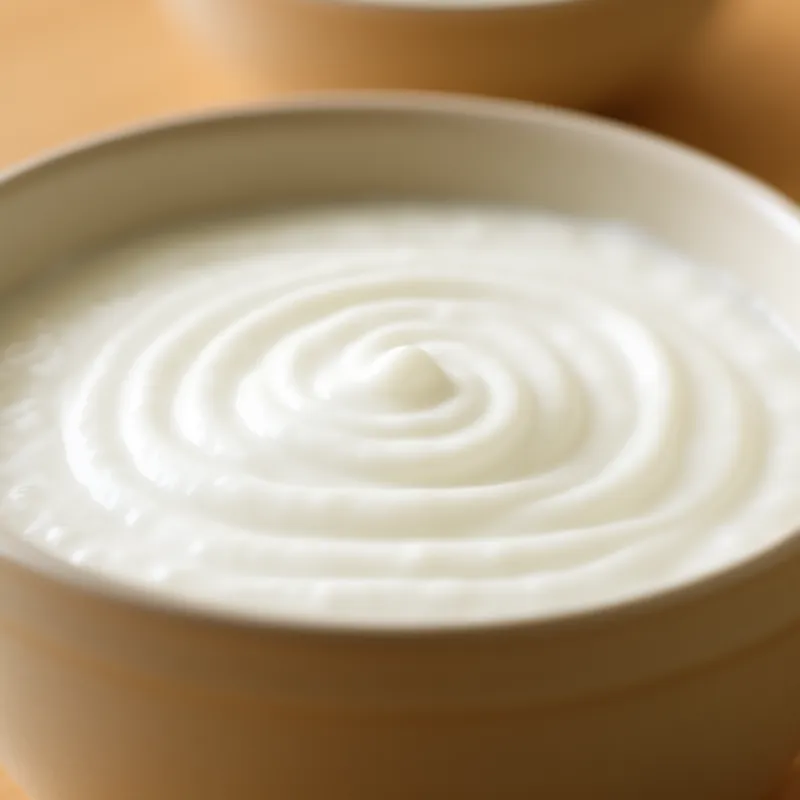
 61 kcal
 P 10.3g C 3.64g F 0.37g
Purple grape juice owes its deep color to anthocyanins, which can actually act as a natural pH indicator in your kitchen.
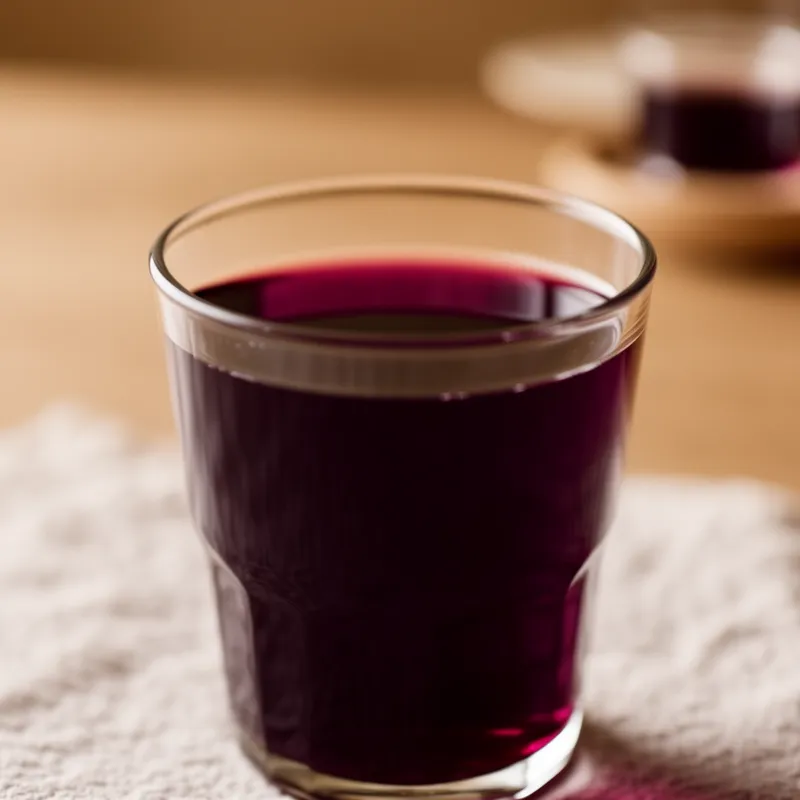
In 1869, Dr. Thomas Bramwell Welch pasteurized Concord grape juice in Vineland, New Jersey, to create a non-alcoholic alternative to communion wine. The deep purple hue of this beverage comes from anthocyanins, a class of water-soluble flavonoids located primarily in the grape's skin. These pigments are highly sensitive to pH levels; in acidic environments they appear red, while in alkaline conditions they shift toward blue or even green. This chemical property means purple grape juice can act as a natural pH indicator. Concord grapes, the primary variety used for this juice, possess a slip-skin characteristic, where the skin separates easily from the gelatinous pulp. Because the pigments reside almost entirely in that dark outer layer, commercial extraction requires briefly heating the crushed grapes to leach the color out before pressing. This thermal extraction ensures the juice retains its signature vibrant purple shade and a high concentration of polyphenols, which contribute to its tart, astringent flavor profile and antioxidant capacity.
Because purple grape juice is naturally high in simple sugars and acidity, it works well as a marinade base for meats like pork or chicken, where its tartness helps tenderize muscle fibers while its sugars caramelize during cooking. To manage blood sugar spikes, pair a small glass with a protein-rich food like Greek yogurt or nuts, which slows the absorption of the juice's carbohydrates. Store unopened bottles in a cool, dark pantry, but refrigerate immediately after opening to preserve its delicate polyphenol content.
Per 100g — daily values based on a 2,000 calorie diet
CalRay's AI recognizes grape juice and hundreds of thousands of other foods from a photo. No manual lookup needed.
Grape juice, purple contains 66 calories per 100g. It is a moderate-calorie food that can fit into most healthy diets.
Grape juice, purple provides 0.26g of protein per 100g, which is 1% of the 50g daily recommended value. It is not a primary protein source.
Grape juice, purple contains 15.6g of carbohydrates per 100g .
Grape juice, purple has 66 kcal per 100g, which is relatively moderate. It can fit into a weight-loss diet as long as portion sizes are managed.
The easiest way to track grape juice is with CalRay. Simply snap a photo of your meal and the AI will automatically identify the food and calculate calories and macros based on the estimated portion size — no manual lookup required. You can also search by name and adjust gram weight manually.
61 kcal 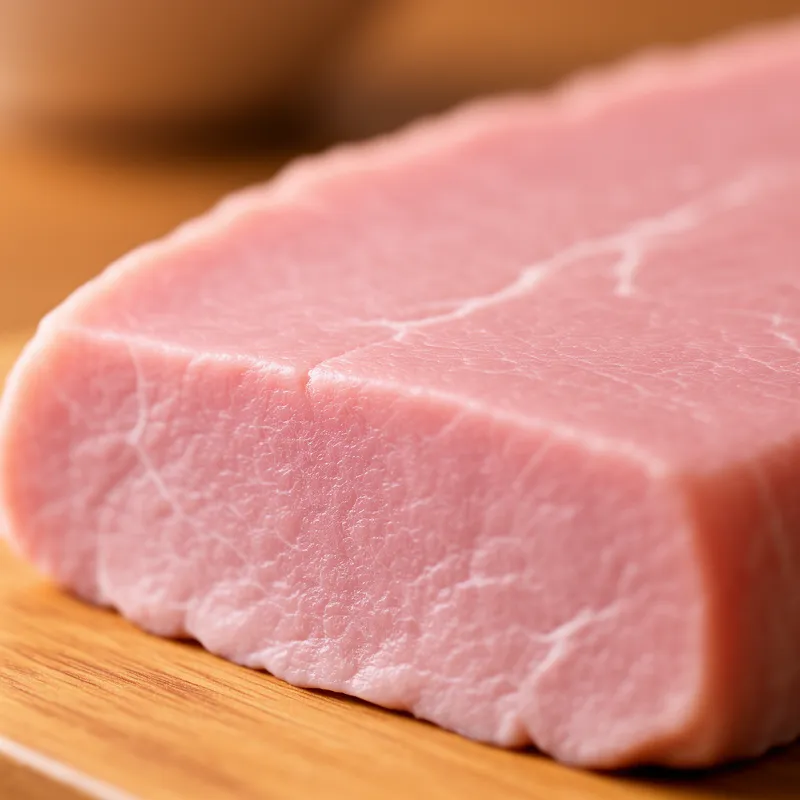 122 kcal
 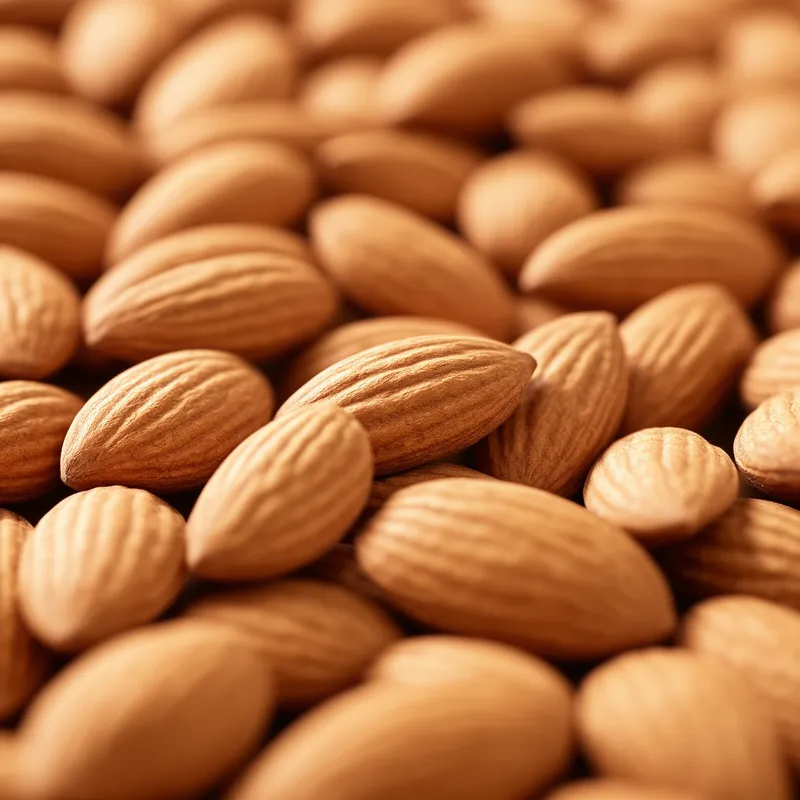 626 kcal