 148 kcal
 P 12.4g C 0.96g F 9.96g
Spelt's fragile gluten matrix breaks down easily under kneading, making it a uniquely tender ancient wheat.
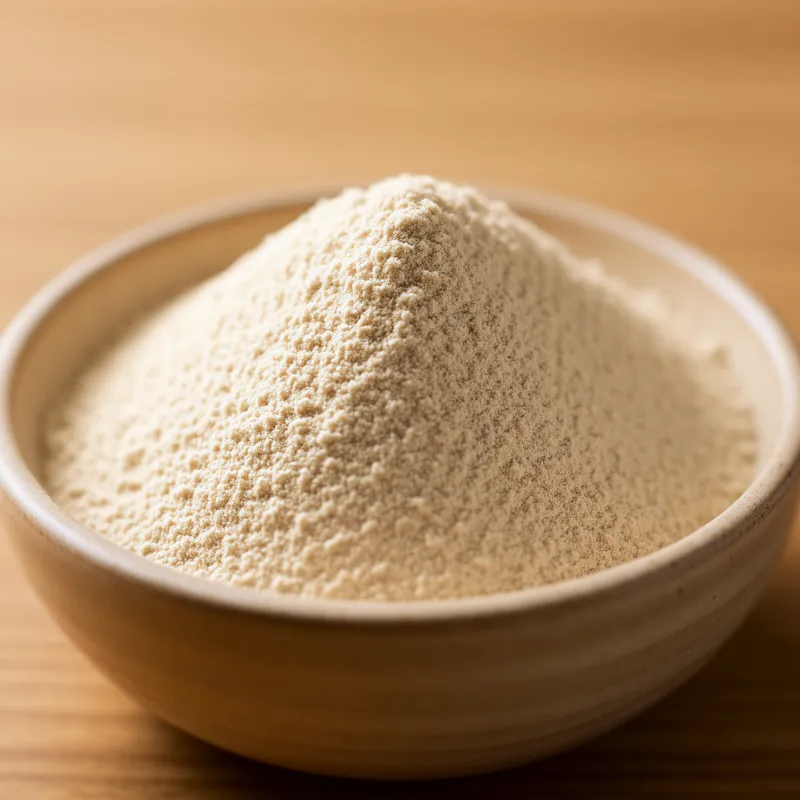
Spelt (Triticum spelta) is an ancient hexaploid wheat, resulting from a natural cross between emmer wheat and goatgrass (Aegilops tauschii) thousands of years ago. Unlike modern bread wheat, spelt retains its tough outer hull through harvest. This hull acts as a physical barrier, protecting the inner grain from insects, pollutants, and weather damage. From a baking chemistry perspective, spelt contains gliadin and glutenin, the same gluten-forming proteins as modern wheat. However, the gluten matrix in spelt is much more fragile and extensible. It lacks the elasticity of modern wheat gluten, meaning it breaks down easily during kneading. Over-mixing spelt dough quickly destroys its gas-trapping structure, resulting in a dense, crumbly bake. This delicate gluten structure, combined with a higher proportion of water-soluble carbohydrates, gives spelt flour its characteristic tender crumb and slightly sweet, nutty flavor. While often marketed as a wheat alternative for those with sensitivities, it is strictly unsafe for individuals with celiac disease because it still contains gluten.
When substituting spelt for all-purpose flour, reduce kneading time significantly to prevent tearing its delicate gluten. Spelt flour absorbs less water than whole wheat, so you may need slightly less liquid in your dough. Store whole grain spelt flour in an airtight container in the refrigerator or freezer to prevent the natural oils in the germ from going rancid. It excels in pancakes, muffins, and cookies where tenderness is desired. For a nutritional boost, pair it with eggs and milk to complete its amino acid profile.
Per 100g — daily values based on a 2,000 calorie diet
CalRay's AI recognizes flour and hundreds of thousands of other foods from a photo. No manual lookup needed.
Flour, spelt, whole grain contains 364 calories per 100g. A standard serving of 1 RACC (30g) provides 109 calories. It is relatively calorie-dense, so portion control is important.
Flour, spelt, whole grain provides 14.5g of protein per 100g, which is 29% of the 50g daily recommended value. It is a good source of protein.
Flour, spelt, whole grain contains 70.7g of carbohydrates per 100g . It also provides 9.34g of dietary fiber.
Flour, spelt, whole grain has 364 kcal per 100g, so portions need to be monitored on a weight-loss diet. Use CalRay to track your intake accurately. Its fiber content (9.34g/100g) also promotes fullness.
The easiest way to track flour is with CalRay. Simply snap a photo of your meal and the AI will automatically identify the food and calculate calories and macros based on the estimated portion size — no manual lookup required. You can also search by name and adjust gram weight manually.
148 kcal 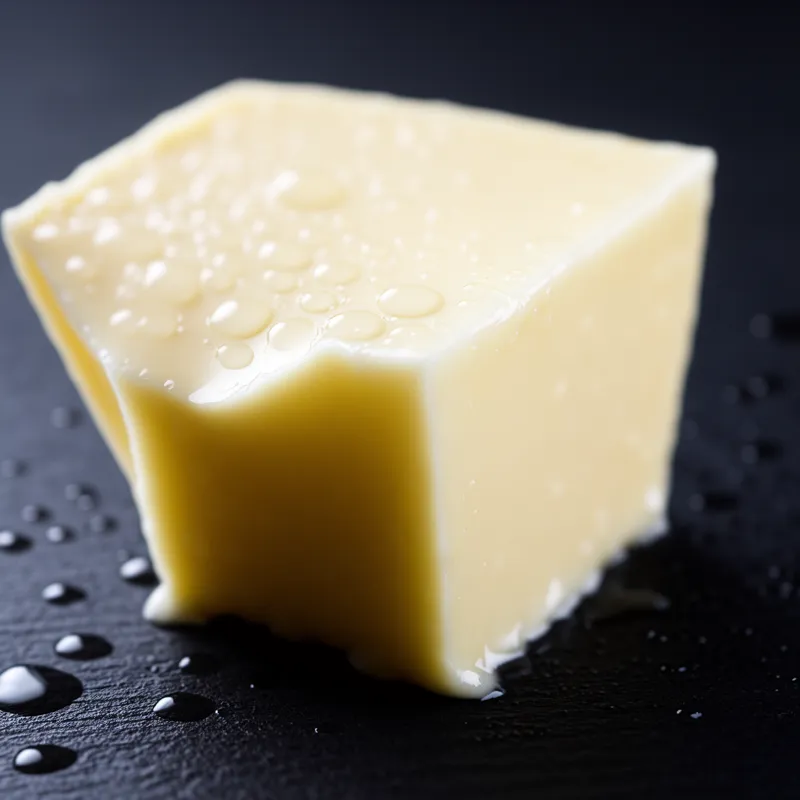 734 kcal
 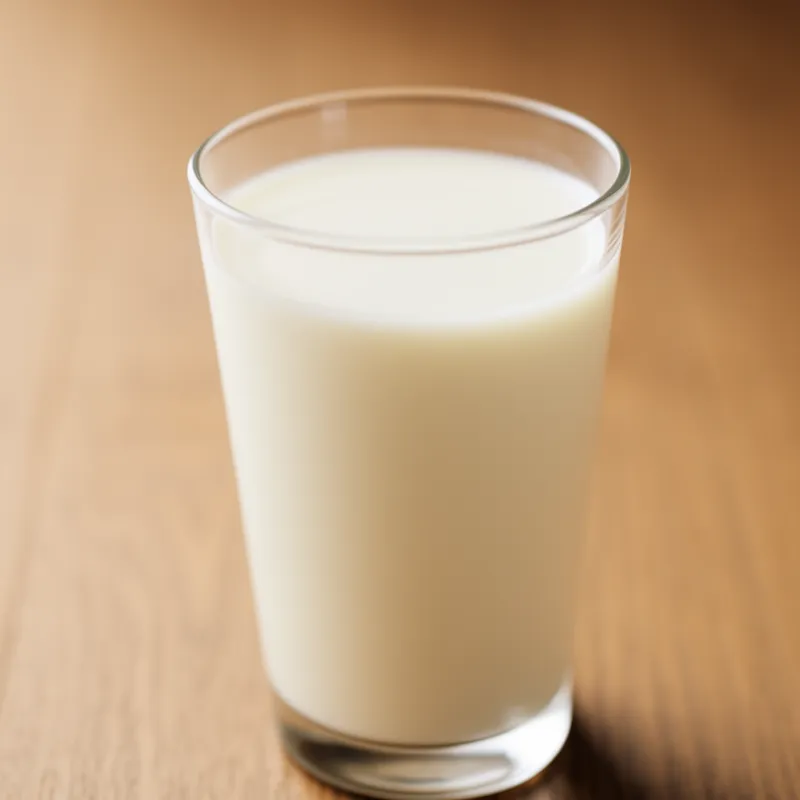 43 kcal