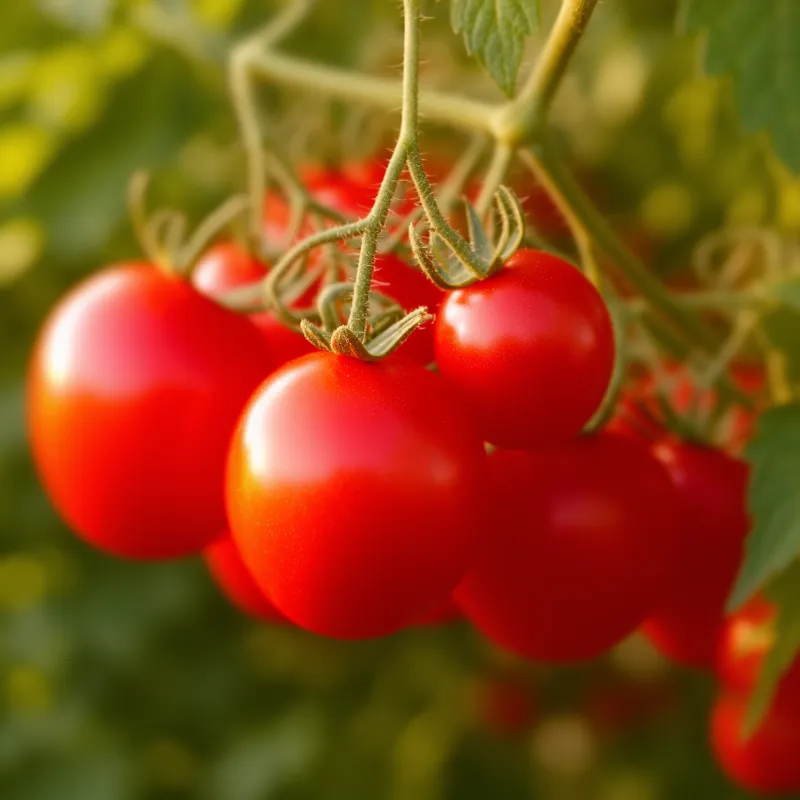
 27 kcal
 P 0.83g C 5.51g F 0.63g
This flaky white fish is identified by a thumbprint-like black blotch, nicknamed the 'Devil's thumbprint.'
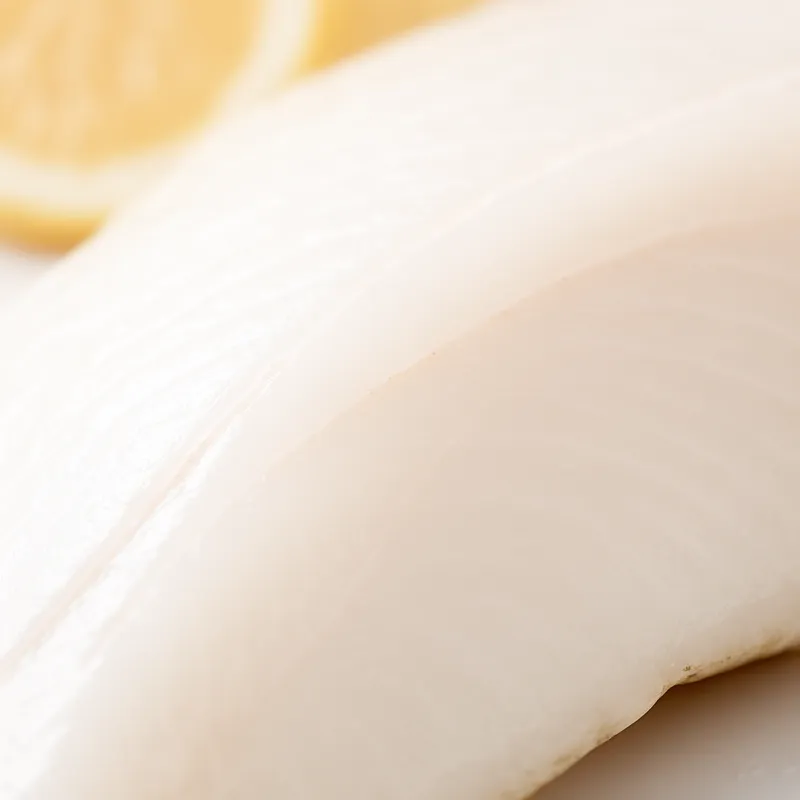
Haddock (Melanogrammus aeglefinus) is easily identified by a distinctive dark blotch above its pectoral fin, historically called the 'Devil's thumbprint' or 'St. Peter's mark.' Legend claims the mark is a fingerprint left by St. Peter when he caught the fish to retrieve a coin from its mouth. Biologically, this melanin-rich spot is simply a standard phenotypic marker for the species. Though closely related to Atlantic cod and belonging to the same Gadidae family, haddock possesses a slightly sweeter flavor and a more delicate, finer flake. It thrives in the cold, deep waters of the North Atlantic, feeding primarily on benthic invertebrates like brittle stars and small crustaceans. Because its fat content is remarkably low—often under half a gram per 100 grams—the fish relies almost entirely on its muscle proteins to retain moisture. This biochemical makeup makes haddock highly susceptible to drying out, which is why traditional preparations often involve protective coatings like batter or breading to shield the delicate proteins from direct, intense heat.
Because haddock's minimal fat content makes it dry out quickly, use moist-heat cooking methods like steaming, poaching, or baking in a liquid sauce. If frying or baking dry, a protective coating of batter or breadcrumbs seals in moisture. Pair it with vitamin C-rich foods like tomatoes or peppers to help your body absorb the iron and zinc naturally present in this lean fish. Store fresh haddock in the coldest part of your refrigerator and cook within two days, as its delicate proteins degrade faster than fattier fish.
Per 100g — daily values based on a 2,000 calorie diet
CalRay's AI recognizes fish haddock and hundreds of thousands of other foods from a photo. No manual lookup needed.
Fish haddock contains 74 calories per 100g. A standard serving of 1 fillet (176g) provides 130 calories. It is a moderate-calorie food that can fit into most healthy diets.
Fish haddock provides 16.3g of protein per 100g, which is 33% of the 50g daily recommended value. It is a good source of protein.
Fish haddock contains 0g of carbohydrates per 100g .
Fish haddock has 74 kcal per 100g, which is relatively moderate. It can fit into a weight-loss diet as long as portion sizes are managed. Its high protein content (16.3g/100g) helps with satiety.
The easiest way to track fish haddock is with CalRay. Simply snap a photo of your meal and the AI will automatically identify the food and calculate calories and macros based on the estimated portion size — no manual lookup required. You can also search by name and adjust gram weight manually.
27 kcal 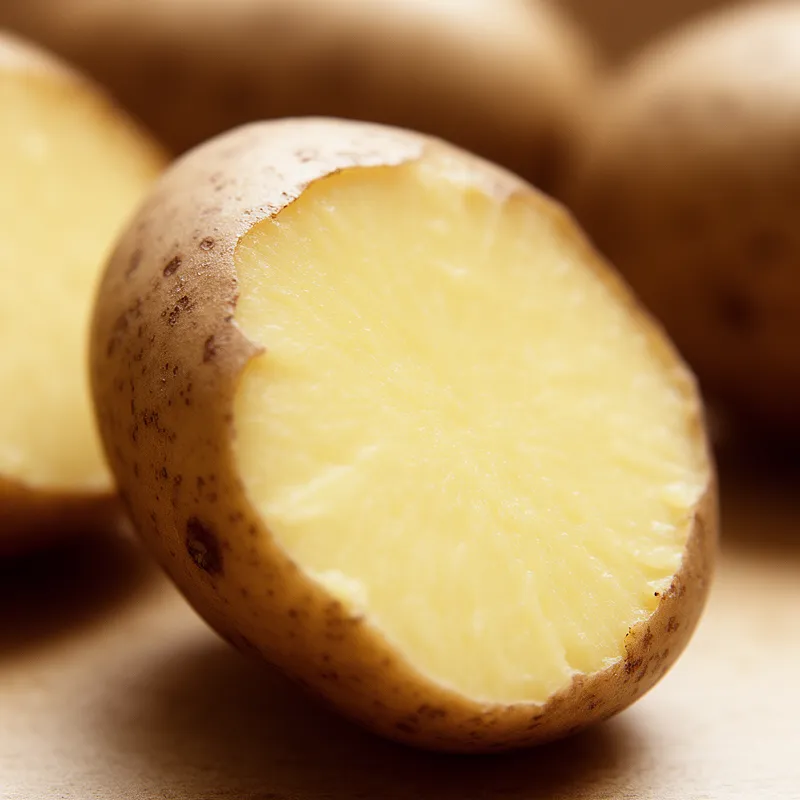 74 kcal
 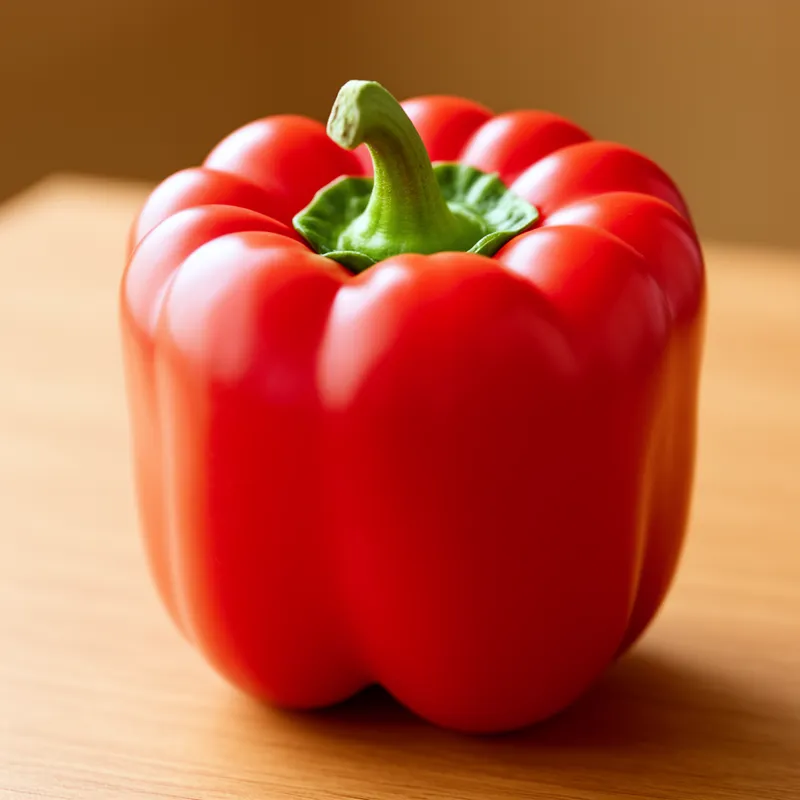 31 kcal