 223 kcal
 P 1.81g C 8.32g F 20.3g
Blue swimming crabs paddle through the water with their last pair of legs, turning the ocean into their highway.
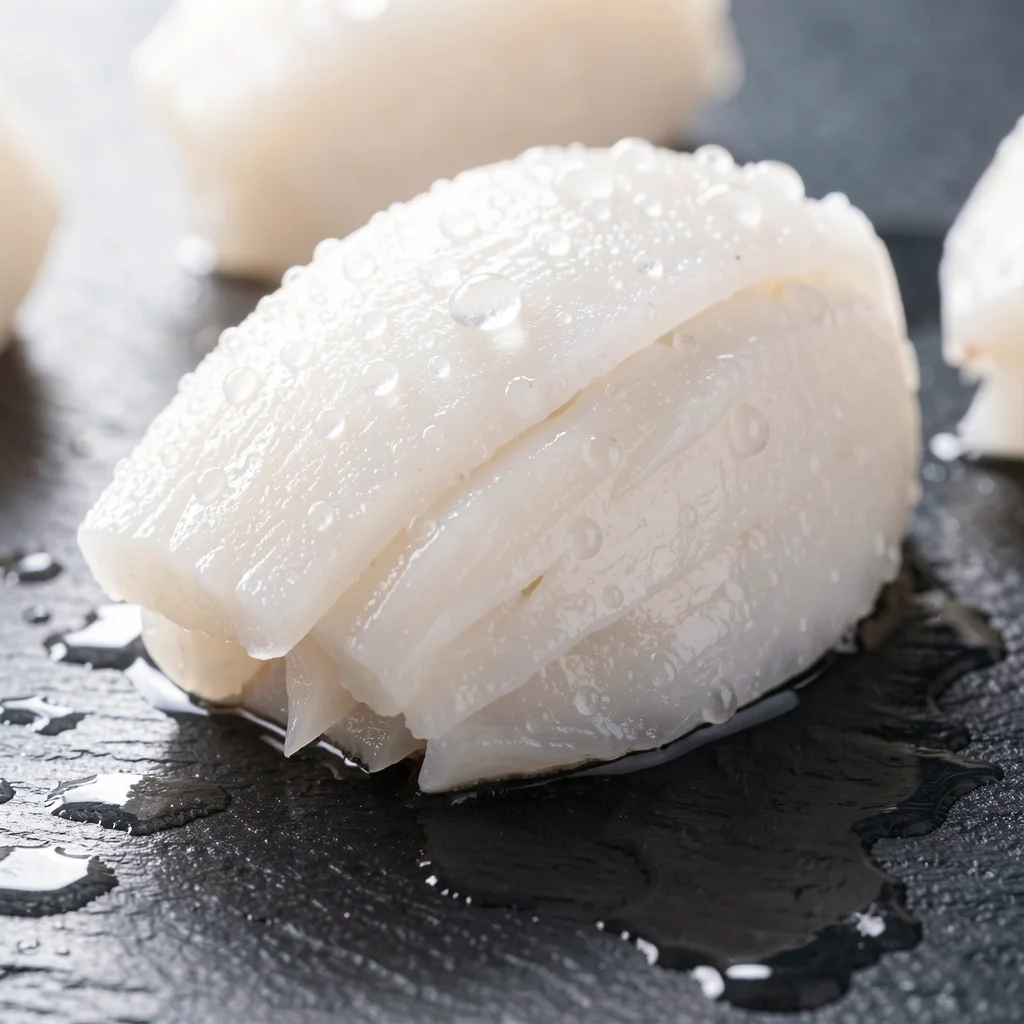
The blue swimming crab (Portunus pelagicus), also known as the flower crab, is distinguished by its striking sapphire-tinted claws and a unique anatomical adaptation: its hindmost pair of legs has evolved into flattened, paddle-like structures. These specialized appendages allow the crab to swim rapidly through the water column rather than scuttling exclusively along the seabed like many other crab species. When harvested for lump meat, processors target the large, white pieces of muscle found in the crab's body chamber. This specific meat is highly prized for its delicate texture and sweet flavor, which is preserved through careful pasteurization. During pasteurization, the crab meat is sealed in cans or pouches and heated to a specific temperature that destroys pathogens while maintaining the structural integrity of the delicate muscle fibers. This process extends the shelf life of the refrigerated lump meat without freezing it, preventing the cellular rupture that typically occurs when high-water-content seafood is frozen and thawed.
Keep refrigerated and consume pasteurized lump crab within a few days of opening. Because it is naturally low in fat and high in protein, pair it with a light dressing or use it in dishes where its texture can shine, such as crab cakes or salads. Avoid overcooking, as the delicate muscle fibers will become rubbery and lose their moisture. Gently fold it into warm dishes at the very end of cooking.
Per 100g — daily values based on a 2,000 calorie diet
CalRay's AI recognizes crustaceans and hundreds of thousands of other foods from a photo. No manual lookup needed.
Crustaceans, crab, blue swimming, lump contains 82 calories per 100g. A standard serving of 1 RACC (85g) provides 70 calories. It is a moderate-calorie food that can fit into most healthy diets.
Crustaceans, crab, blue swimming, lump provides 18.6g of protein per 100g, which is 37% of the 50g daily recommended value. It is a good source of protein.
Crustaceans, crab, blue swimming, lump contains 0g of carbohydrates per 100g .
Crustaceans, crab, blue swimming, lump has 82 kcal per 100g, which is relatively moderate. It can fit into a weight-loss diet as long as portion sizes are managed. Its high protein content (18.6g/100g) helps with satiety.
The easiest way to track crustaceans is with CalRay. Simply snap a photo of your meal and the AI will automatically identify the food and calculate calories and macros based on the estimated portion size — no manual lookup required. You can also search by name and adjust gram weight manually.
223 kcal  61 kcal
  148 kcal