 27 kcal
 P 0.83g C 5.51g F 0.63g
Pacific cod survive freezing Alaskan waters using specialized antifreeze proteins in their blood.
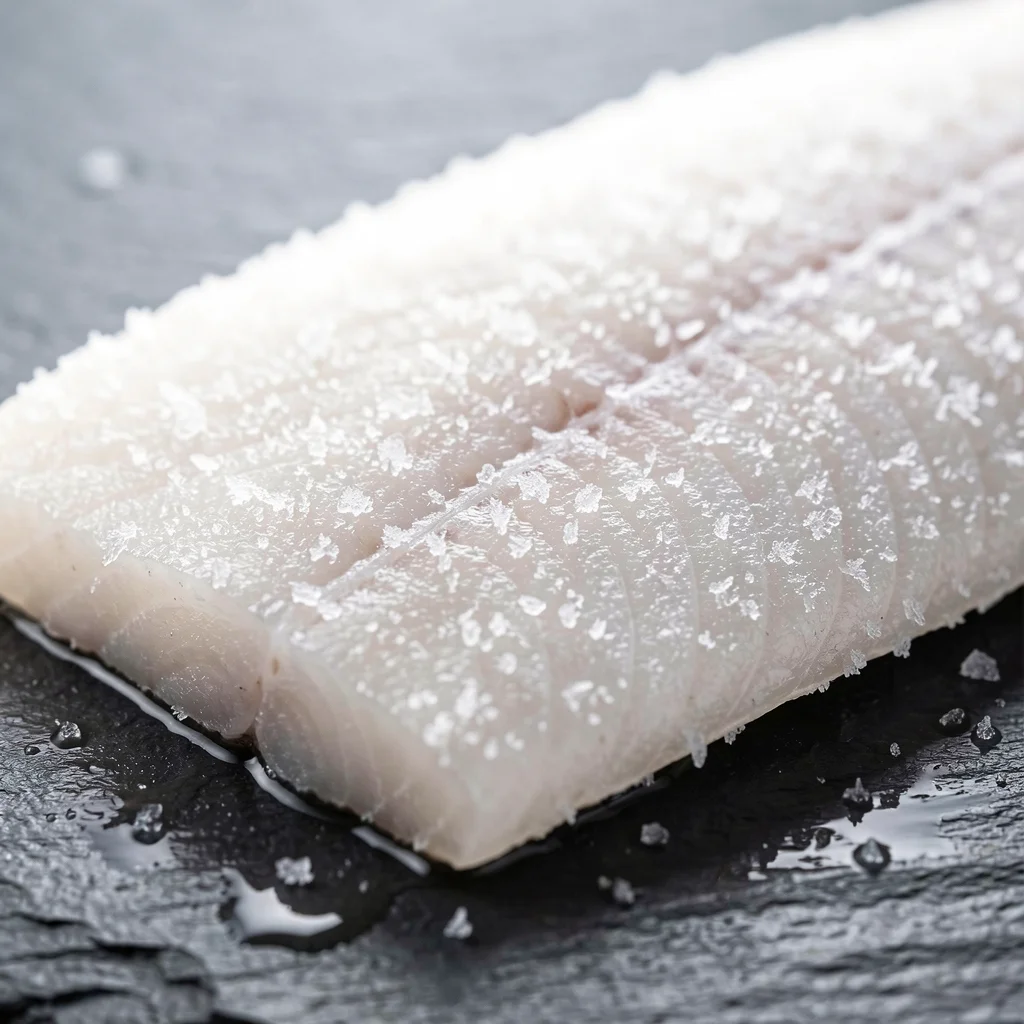
Pacific cod (Gadus macrocephalus) thrives in the frigid waters of the North Pacific, surviving temperatures that would kill most fish. They do this by producing specialized antifreeze glycoproteins in their blood, which bind to small ice crystals and inhibit their growth, preventing cellular damage. Unlike their Atlantic cousins, Pacific cod have a distinctively protruding upper jaw and a paler, more mottled lateral line. They are a cornerstone of Alaskan fisheries, historically caught by indigenous communities for centuries using handlines and weirs before the commercial boom. The flesh is exceptionally lean and flaky due to their cold-water environment and diet of crustaceans and smaller fish. This low fat content means they must be cooked carefully to avoid drying out, as there is little intramuscular fat to retain moisture. Their livers are also highly valued, often processed for their high vitamin A and D content, a practice that dates back to early indigenous populations who utilized every part of the fish for sustenance.
Because Pacific cod is so lean, it benefits from moist-heat cooking methods like steaming or poaching, or a quick sear in a healthy fat like olive oil to prevent drying out. Pair it with vitamin C-rich foods like tomatoes or bell peppers to enhance the absorption of iron from the fish. If baking, keep the cook time under 15 minutes at 400°F and consider wrapping it in parchment with aromatics to trap steam. Store fresh cod in the coldest part of your refrigerator and cook within two days for optimal texture.
Per 100g — daily values based on a 2,000 calorie diet
CalRay's AI recognizes cod and hundreds of thousands of other foods from a photo. No manual lookup needed.
Cod, Pacific or Alaskan contains 61 calories per 100g. It is a moderate-calorie food that can fit into most healthy diets.
Cod, Pacific or Alaskan provides 14.2g of protein per 100g, which is 28% of the 50g daily recommended value. It is a good source of protein.
Cod, Pacific or Alaskan contains 0.52g of carbohydrates per 100g .
Cod, Pacific or Alaskan has 61 kcal per 100g, which is relatively moderate. It can fit into a weight-loss diet as long as portion sizes are managed.
The easiest way to track cod is with CalRay. Simply snap a photo of your meal and the AI will automatically identify the food and calculate calories and macros based on the estimated portion size — no manual lookup required. You can also search by name and adjust gram weight manually.
27 kcal 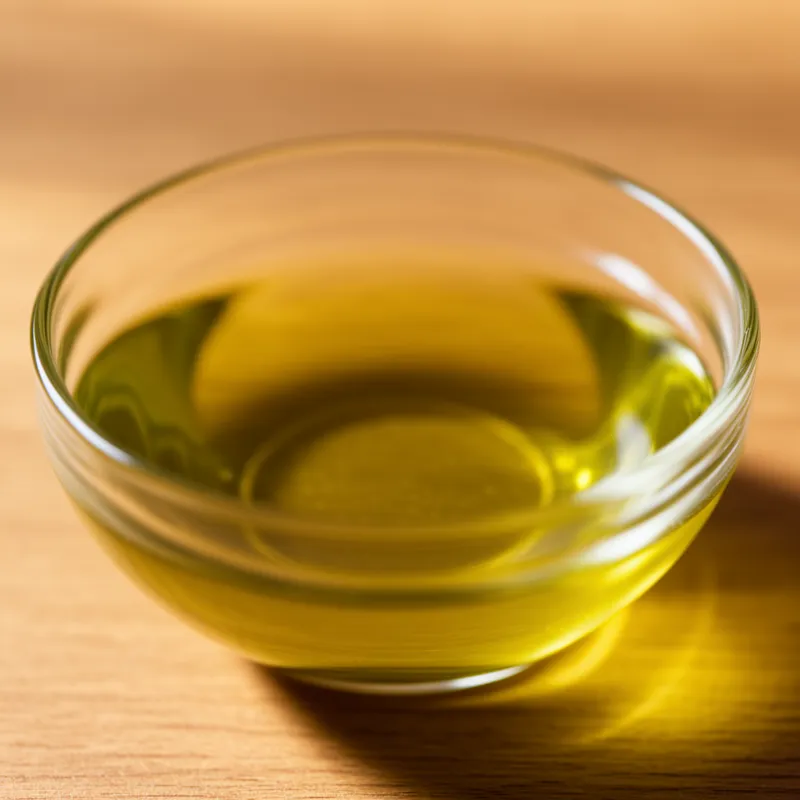 884 kcal
 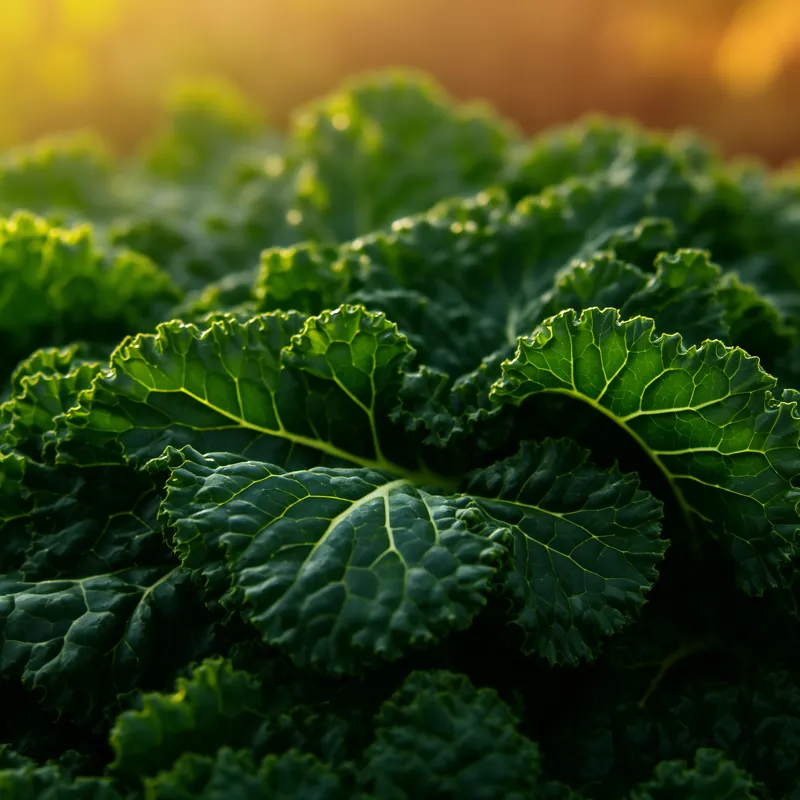 35 kcal