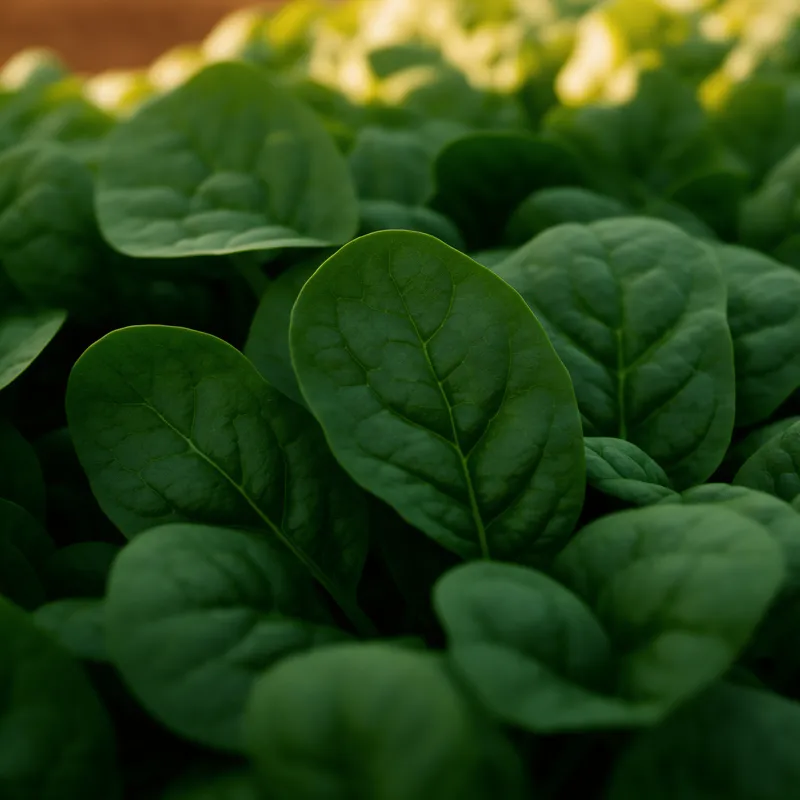
 28 kcal
 P 2.91g C 2.64g F 0.6g
Ricotta isn't technically a cheese but a dairy byproduct made from the whey left over from making other cheeses.
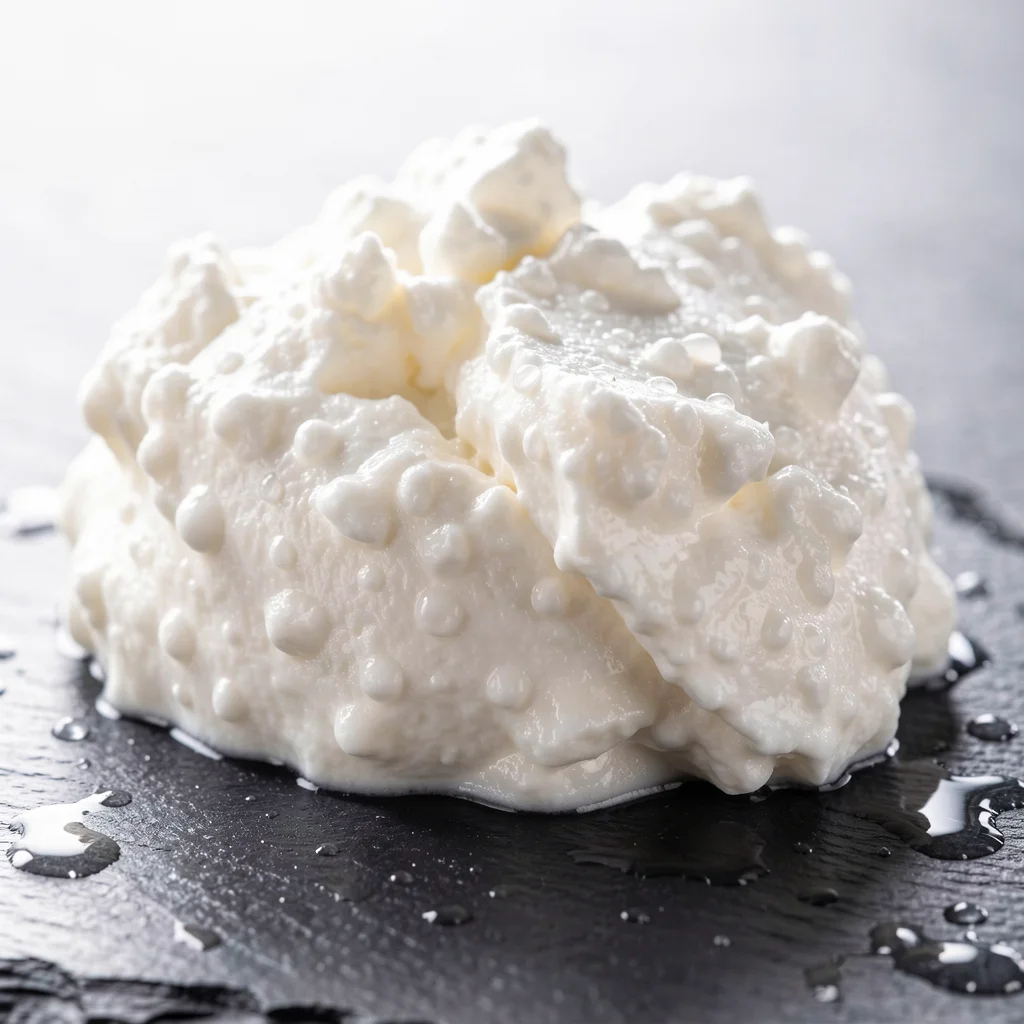
Ricotta's name comes from the Italian word "recooked," which perfectly describes its origin. Unlike most cheeses that are formed by curdling casein proteins with rennet or acid, ricotta is primarily made from the whey remaining after producing cheeses like mozzarella or provolone. When whey is heated a second time (re-cooked), the residual albumin proteins, which are highly heat-sensitive, coagulate and rise to the top, forming the soft, fluffy curds we know as ricotta. Because albumin proteins don't coagulate at the same temperatures or pH as casein, traditional cheese-making techniques leave them behind in the whey. Historically, Italian dairy farmers saw this leftover whey not as waste, but as an opportunity to extract every bit of nutritional value from their milk. Whole milk ricotta often has a small amount of whole milk or cream added back into the whey to enrich the texture and fat content, yielding a richer, creamier product than its part-skim counterparts. This unique protein composition also gives ricotta its signature sweet, delicate flavor and slightly grainy yet spreadable texture.
Whole milk ricotta shines in both sweet and savory applications because its high moisture content keeps baked dishes creamy. For lasagna or stuffed shells, blend it briefly with an egg and grated parmesan to create a smoother, cohesive filling that binds well under heat. If using it for desserts like cannoli, drain the ricotta in a cheesecloth overnight to remove excess moisture, preventing your pastry from becoming soggy. Store it upside down in its tub in the refrigerator; this keeps the cheese submerged in its liquid, extending its shelf life.
Per 100g — daily values based on a 2,000 calorie diet
CalRay's AI recognizes cheese and hundreds of thousands of other foods from a photo. No manual lookup needed.
Cheese, ricotta, whole milk contains 157 calories per 100g. A standard serving of 0.2 cup (64.6g) provides 101 calories. It is relatively calorie-dense, so portion control is important.
Cheese, ricotta, whole milk provides 7.81g of protein per 100g, which is 16% of the 50g daily recommended value. It is not a primary protein source.
Cheese, ricotta, whole milk contains 6.86g of carbohydrates per 100g .
Cheese, ricotta, whole milk has 157 kcal per 100g, so portions need to be monitored on a weight-loss diet. Use CalRay to track your intake accurately.
The easiest way to track cheese is with CalRay. Simply snap a photo of your meal and the AI will automatically identify the food and calculate calories and macros based on the estimated portion size — no manual lookup required. You can also search by name and adjust gram weight manually.
28 kcal 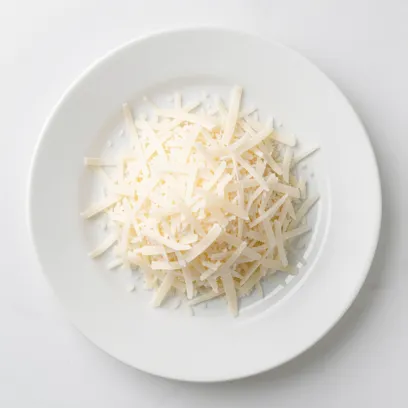 421 kcal
 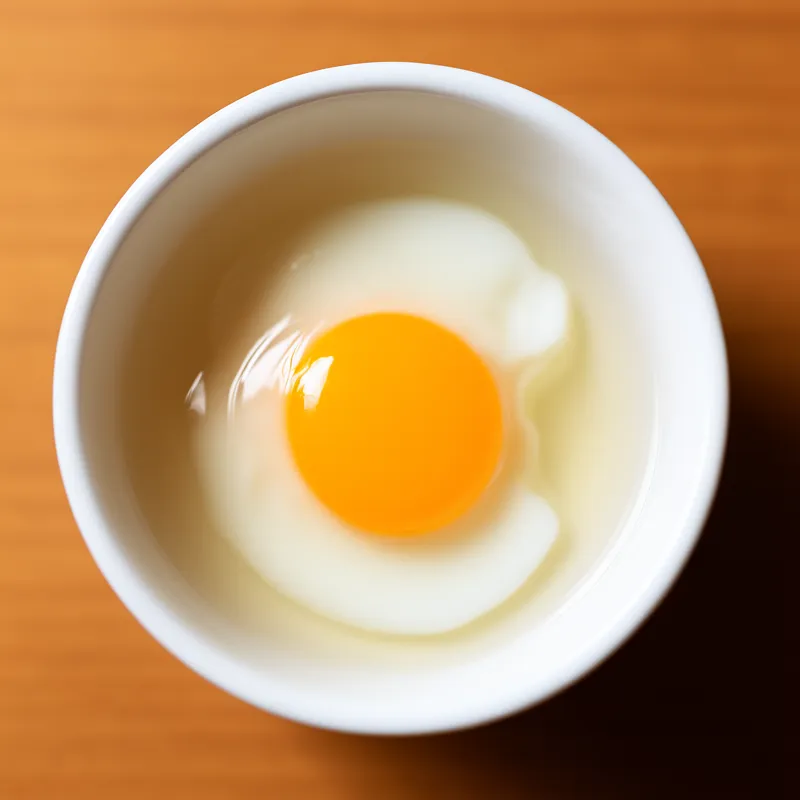 148 kcal