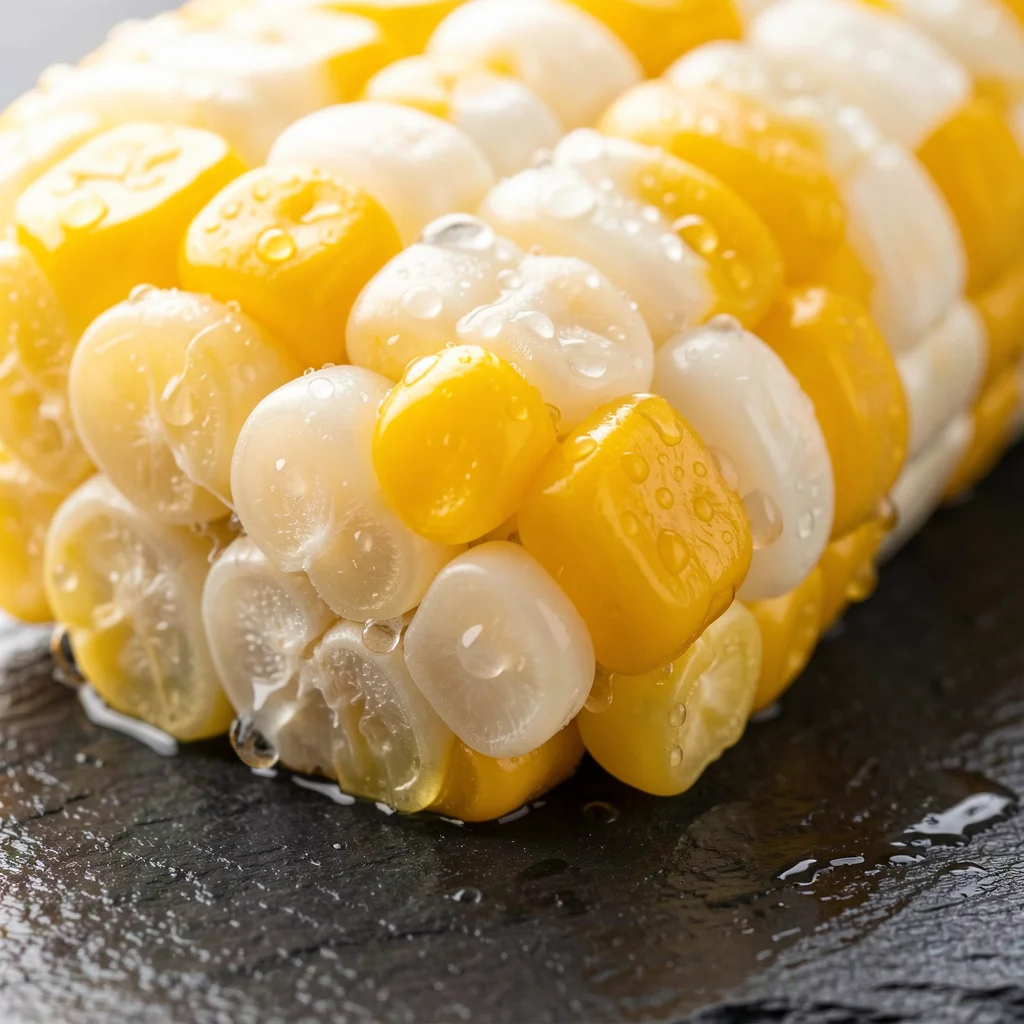
 85 kcal
 P 2.79g C 14.7g F 1.63g
Known as the Parmesan of Mexico, this crumbly cheese famously refuses to melt because of its high acid content and tightly bound proteins.
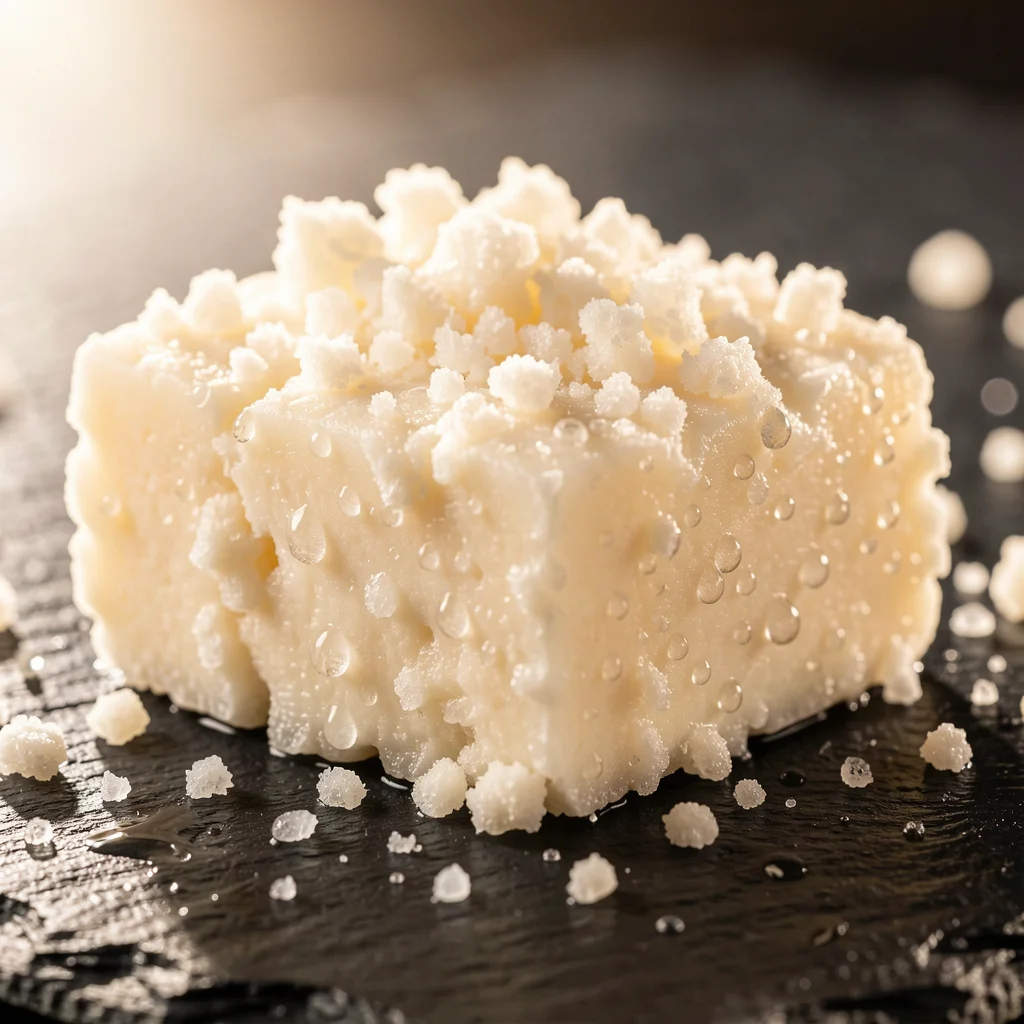
Produced primarily in the mountains of Michoacán, authentic Cotija relies on the seasonal rains; traditional makers craft it between July and October when the region's grasses are lush, giving the milk a distinct seasonal profile. The cheese is then salted and aged, often developing a natural rind. During this aging period, which can last anywhere from three months to over a year, moisture evaporates and the calcium bonds between casein protein molecules become extremely strong. The cheese also develops a high acidity. When heated, these strong protein structures and low moisture prevent the fat and proteins from sliding past one another, meaning the cheese holds its shape, browns, and eventually burns rather than melting into a gooey liquid. This structural integrity is exactly why it is grated over finished dishes like elote (Mexican street corn) and beans, providing a salty, umami crunch rather than a creamy melt.
Because cotija does not melt, use it strictly as a finishing cheese rather than a base for sauces or fondues. Crumble or grate it over roasted vegetables, black beans, or grilled corn just before serving to preserve its signature dry, crumbly texture. Store it tightly wrapped in the refrigerator, where its low moisture content allows it to keep for several weeks. To balance its intense saltiness, pair it with naturally sweet or starchy foods like corn or sweet potatoes, which absorb the savory umami without becoming overly salty.
Per 100g — daily values based on a 2,000 calorie diet
CalRay's AI recognizes cheese and hundreds of thousands of other foods from a photo. No manual lookup needed.
Cheese, cotija, solid contains 351 calories per 100g. A standard serving of 1 RACC (30g) provides 105 calories. It is relatively calorie-dense, so portion control is important.
Cheese, cotija, solid provides 23.8g of protein per 100g, which is 48% of the 50g daily recommended value. It is an excellent source of protein.
Cheese, cotija, solid contains 2.72g of carbohydrates per 100g .
Cheese, cotija, solid has 351 kcal per 100g, so portions need to be monitored on a weight-loss diet. Use CalRay to track your intake accurately. Its high protein content (23.8g/100g) helps with satiety.
The easiest way to track cheese is with CalRay. Simply snap a photo of your meal and the AI will automatically identify the food and calculate calories and macros based on the estimated portion size — no manual lookup required. You can also search by name and adjust gram weight manually.
85 kcal 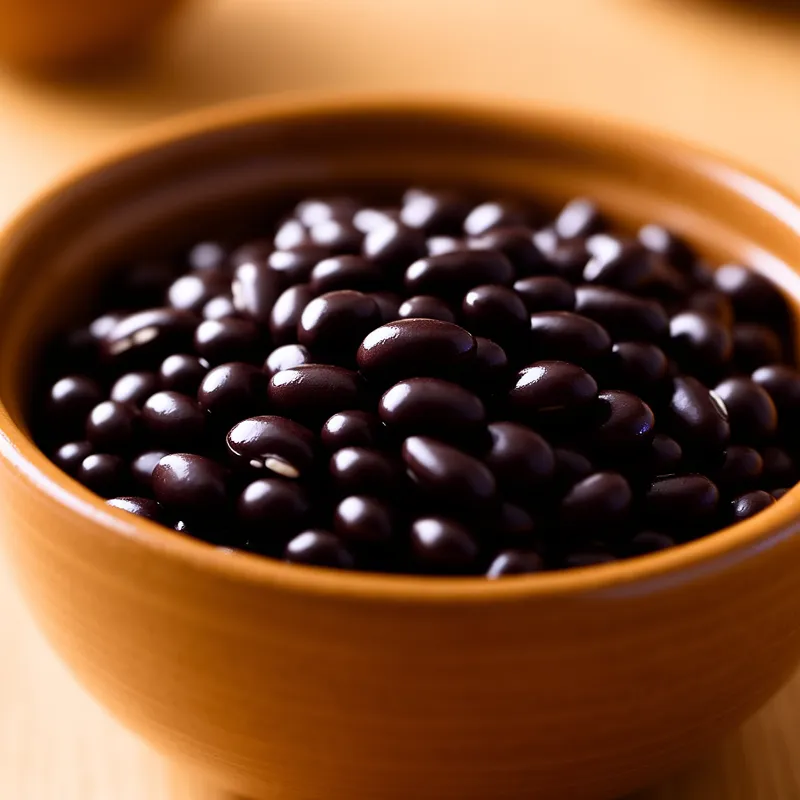 118 kcal
 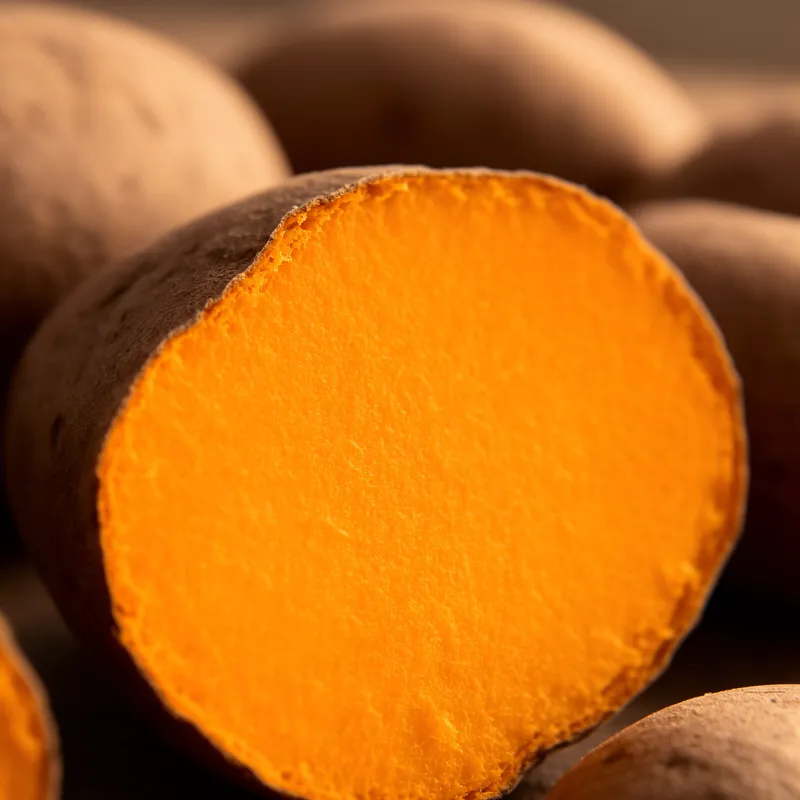 79 kcal