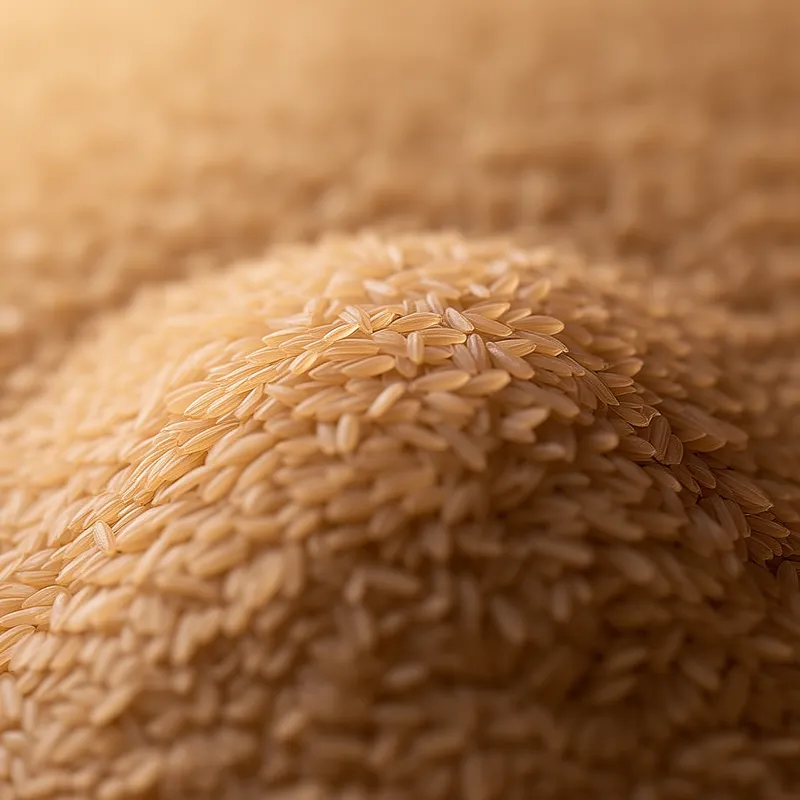
 366 kcal
 P 7.25g C 76.7g F 3.31g
These tiny red beans pack a lectin that can poison you if simmered below a boil — a hazard hiding in your slow cooker.
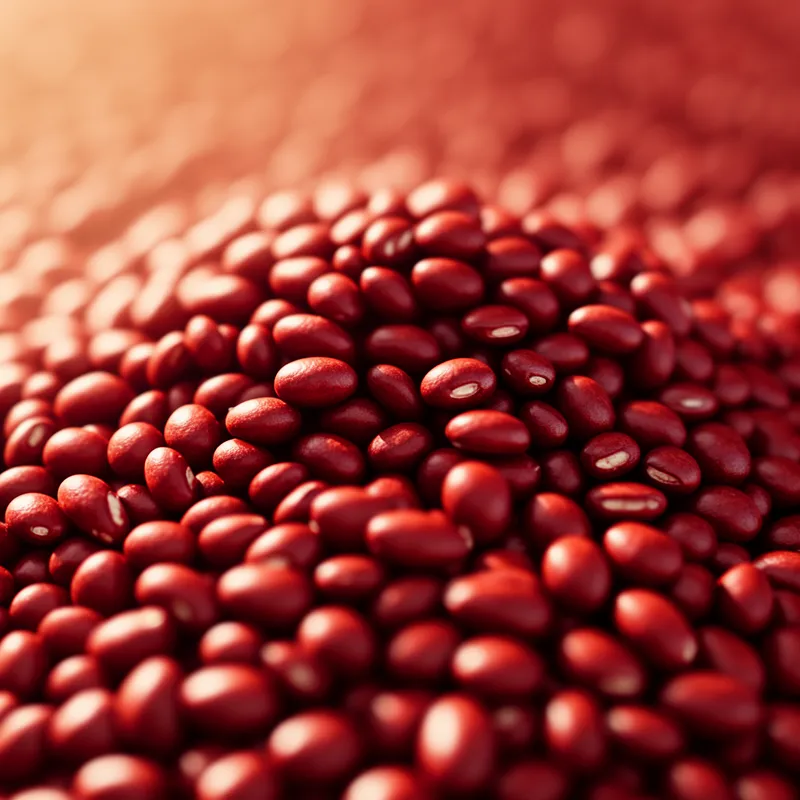
Small red beans (Phaseolus vulgaris) share a dangerous trait with their larger kidney bean cousins: they contain phytohaemagglutinin (PHA), a lectin that can cause severe nausea, vomiting, and diarrhea within hours of consumption. The key detail most cooks miss is that PHA is not destroyed by low, slow simmering — in fact, slow cookers operating around 80°C can leave beans more toxic than raw ones. The FDA has documented multiple outbreaks traced to kidney beans cooked in slow cookers. The solution is straightforward: beans must reach a rolling boil for at least ten minutes to fully denature the lectin. Soaking alone does not neutralize PHA. Small red beans, popular in Caribbean rice-and-peas and Central American refried bean preparations, have been cultivated in the Americas for over 7,000 years, with archaeological evidence of Phaseolus vulgaris domestication found in both Mesoamerica and the Andes. Their deep red seed coat contains anthocyanins and proanthocyanidins — the same class of polyphenols found in cranberries — which may contribute to the observed antioxidant activity of cooked bean extracts in laboratory studies.
Soak small red beans overnight (at least 8 hours) in plenty of water, then drain and rinse. Cook in fresh water at a full rolling boil for at least 10 minutes before reducing to a simmer, ensuring the lectin is fully destroyed. Total cooking time is typically 45–90 minutes depending on age and hardness of the beans. Pair with a grain like brown rice to create a complete amino acid profile, and add tomatoes or bell peppers — their vitamin C enhances absorption of the beans' non-heme iron. Store dried beans in an airtight container in a cool, dark place; older beans take longer to cook and may never fully soften.
Per 100g — daily values based on a 2,000 calorie diet
CalRay's AI recognizes beans and hundreds of thousands of other foods from a photo. No manual lookup needed.
Beans, Dry, Small Red (0% moisture) contains 106 calories per 100g. It is a moderate-calorie food that can fit into most healthy diets.
Beans, Dry, Small Red (0% moisture) provides 23.5g of protein per 100g, which is 47% of the 50g daily recommended value. It is an excellent source of protein.
Beans, Dry, Small Red (0% moisture) contains 0g of carbohydrates per 100g . It also provides 4.1g of dietary fiber.
Beans, Dry, Small Red (0% moisture) has 106 kcal per 100g, which is relatively moderate. It can fit into a weight-loss diet as long as portion sizes are managed. Its high protein content (23.5g/100g) helps with satiety. Its fiber content (4.1g/100g) also promotes fullness.
The easiest way to track beans is with CalRay. Simply snap a photo of your meal and the AI will automatically identify the food and calculate calories and macros based on the estimated portion size — no manual lookup required. You can also search by name and adjust gram weight manually.
366 kcal  38 kcal
  35 kcal