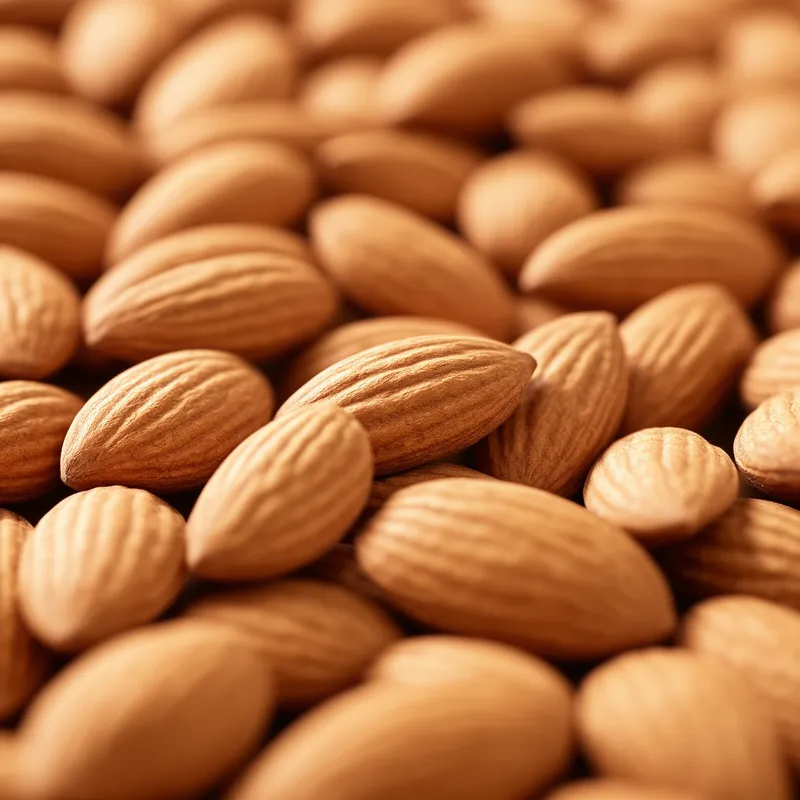
 626 kcal
 P 21.5g C 20g F 51.1g
Though their sweet flesh is rich in beta-carotene, apricot pits contain amygdalin, a compound that releases cyanide when crushed.
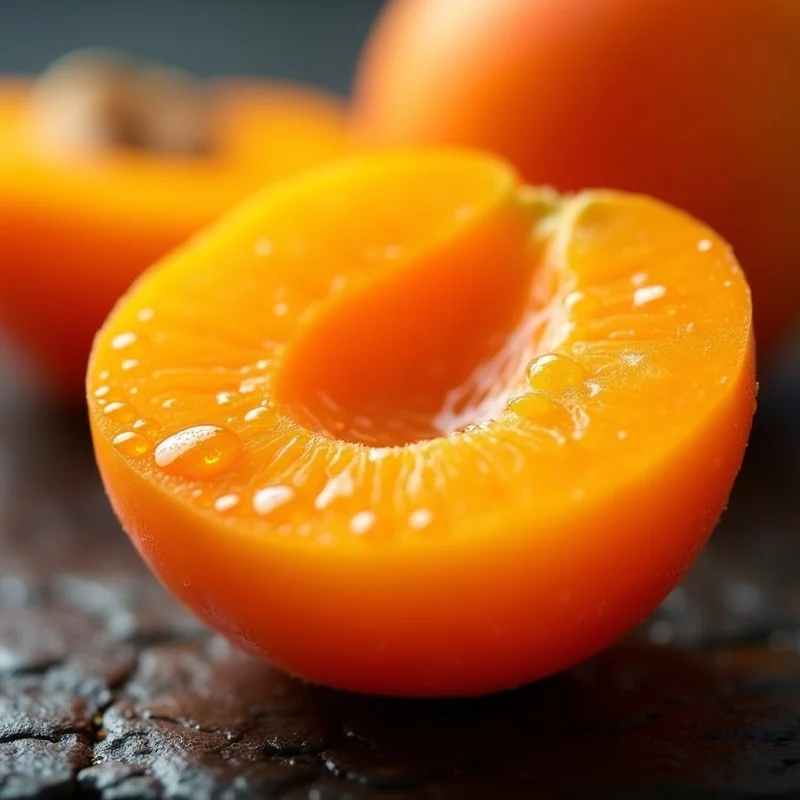
Apricots have traveled a complex path through human history, originating in China and spreading westward along the Silk Road to Persia and eventually Europe. While the sweet, orange flesh is celebrated for its high beta-carotene content, which the body converts into vitamin A, the seeds hidden inside the hard pit tell a different chemical story. Apricot kernels contain amygdalin, a cyanogenic glycoside. When the seeds are chewed or crushed, enzymes break down amygdalin into hydrogen cyanide, a potent toxin. This chemical defense mechanism helps protect the seed from herbivorous insects and animals. In the 1970s, a synthetic version of amygdalin called laetrile was heavily promoted as an alternative cancer treatment, despite a lack of clinical evidence and documented cases of cyanide poisoning. Today, regulatory agencies strictly limit the sale of raw apricot kernels for consumption, though processed varieties with reduced toxicity are sometimes used as flavorings in confections and liqueurs like amaretto. The fruit itself remains a safe, nutrient-dense snack, offering a delicate sweetness that intensifies when dried.
Choose fresh apricots that yield slightly to pressure and have a fragrant aroma, avoiding any with green patches. To maximize nutrient absorption, pair them with a small amount of healthy fat, such as a handful of almonds, since beta-carotene is fat-soluble. If drying them at home, slice the fruit in half, remove the toxic pit, and dehydrate at around 135°F until leathery. Store fresh apricots in the refrigerator for up to a week, but let them sit at room temperature before eating to enhance their flavor.
Per 100g — daily values based on a 2,000 calorie diet
CalRay's AI recognizes apricot and hundreds of thousands of other foods from a photo. No manual lookup needed.
Apricot contains 48 calories per 100g. A standard serving of 1 RACC (140g) provides 67 calories. It is considered a very low-calorie food (under 50 kcal/100g), making it excellent for weight management.
Apricot provides 0.96g of protein per 100g, which is 2% of the 50g daily recommended value. It is not a primary protein source.
Apricot contains 10.2g of carbohydrates per 100g . It also provides 1.51g of dietary fiber.
Yes! Apricot is very low in calories (48 kcal/100g) and can be eaten in generous portions even on a calorie-restricted diet.
The easiest way to track apricot is with CalRay. Simply snap a photo of your meal and the AI will automatically identify the food and calculate calories and macros based on the estimated portion size — no manual lookup required. You can also search by name and adjust gram weight manually.
626 kcal  61 kcal
  107 kcal