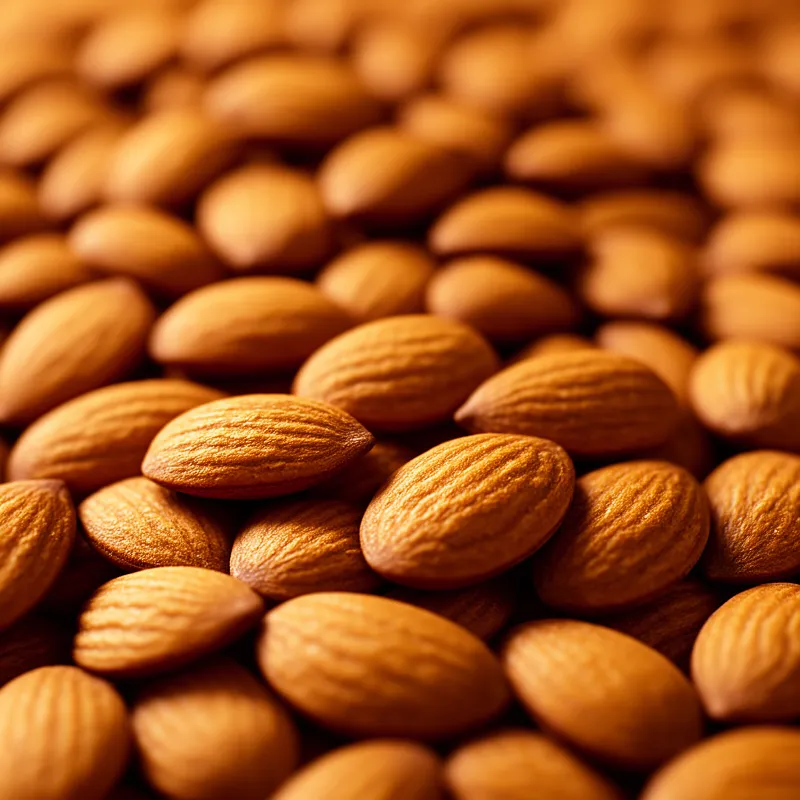
 620 kcal
 P 20.4g C 16.2g F 57.8g
Commercial apple juice gets its crystal-clear look from enzymes that strip away the fruit's natural pectin and fiber.
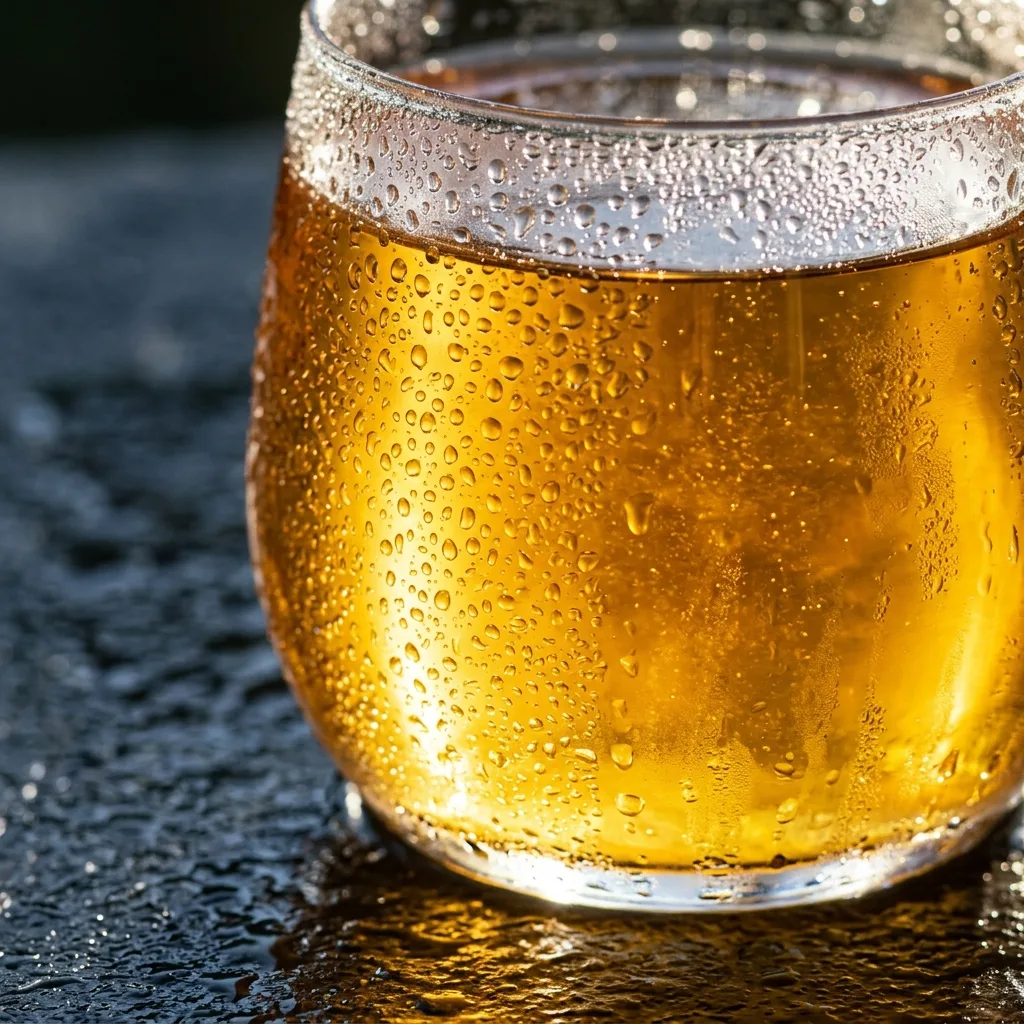
Most people assume commercial apple juice is simply pressed apples and water, but achieving its signature crystal-clear appearance requires a precise biochemical process. Freshly pressed apple juice is naturally cloudy due to suspended pectin and cellular debris. To clarify it, manufacturers add pectinase enzymes, which break down the complex polysaccharides into simpler sugars, causing the cloudiness to drop out of solution. Another lesser-known aspect of apple juice production involves patulin, a toxic chemical produced by certain molds that can grow on bruised or rotting apples. Because patulin is heat-stable, it survives standard pasteurization. To keep apple juice safe, producers must rigorously sort and discard moldy fruit before pressing, as the toxin cannot be destroyed once it enters the liquid. Interestingly, fermenting apple juice into cider or alcohol destroys patulin, as the yeast metabolizes it. This invisible quality control step is crucial, ensuring that the sweet, shelf-stable beverage remains safe for widespread consumption, particularly for infants who are most susceptible to its effects.
Because apple juice is almost entirely devoid of fiber and protein, its natural sugars absorb rapidly, which can cause a quick blood sugar spike. To blunt this effect, pair a small glass with a protein and fat source like almonds or Greek yogurt. If you prefer the nutritional benefits of whole apples, look for unfiltered, cloudy apple juice, which retains more of the fruit's original polyphenols and pectin. Store unopened bottles in a cool, dark pantry, but refrigerate immediately after opening to prevent fermentation.
Per 100g — daily values based on a 2,000 calorie diet
CalRay's AI recognizes apple juice and hundreds of thousands of other foods from a photo. No manual lookup needed.
Apple juice contains 49 calories per 100g. It is considered a very low-calorie food (under 50 kcal/100g), making it excellent for weight management.
Apple juice provides 0.09g of protein per 100g, which is 0% of the 50g daily recommended value. It is not a primary protein source.
Apple juice contains 11.4g of carbohydrates per 100g .
Yes! Apple juice is very low in calories (49 kcal/100g) and can be eaten in generous portions even on a calorie-restricted diet.
The easiest way to track apple juice is with CalRay. Simply snap a photo of your meal and the AI will automatically identify the food and calculate calories and macros based on the estimated portion size — no manual lookup required. You can also search by name and adjust gram weight manually.
620 kcal 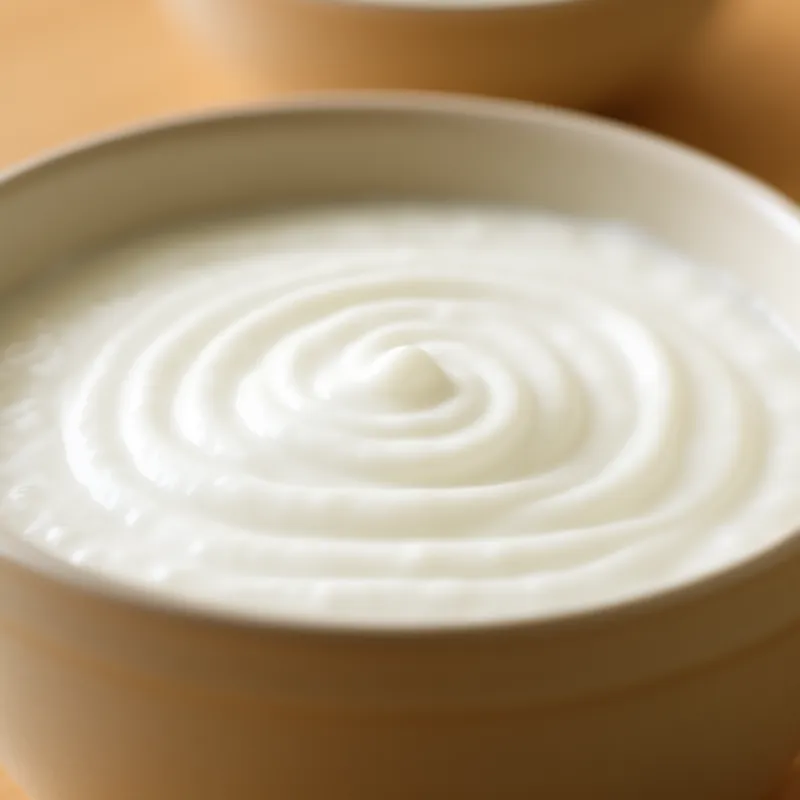 61 kcal
 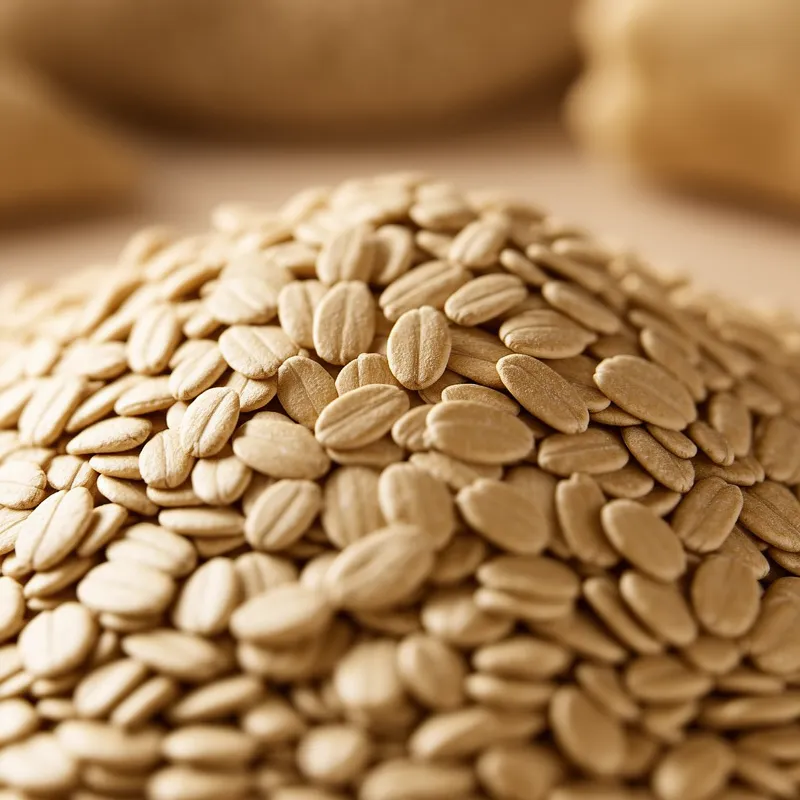 382 kcal