 3 kcal
 P 0.87g
The part you throw away is surprisingly edible and packed with citrulline.
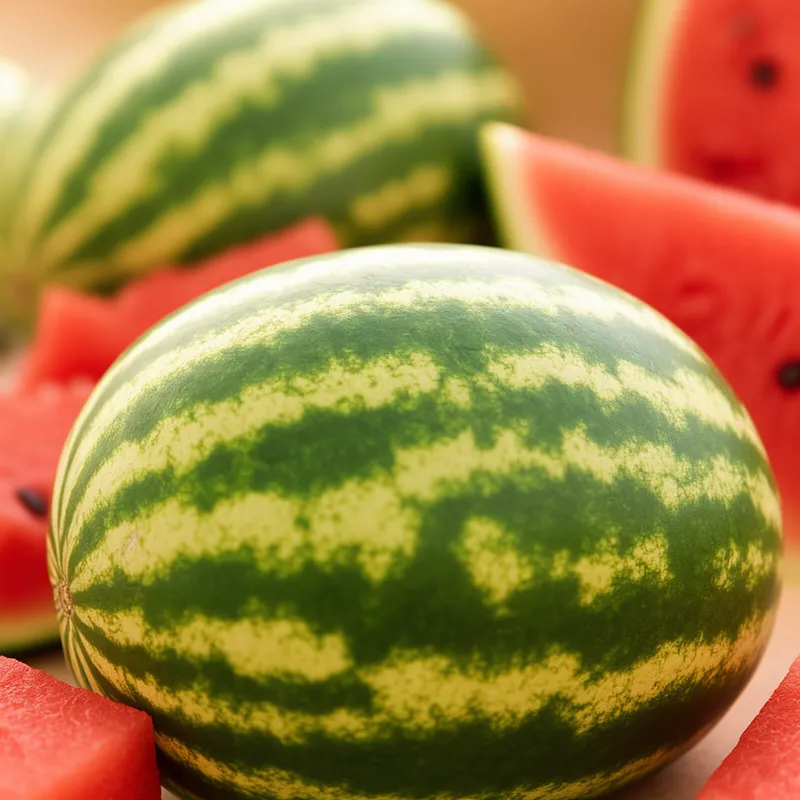
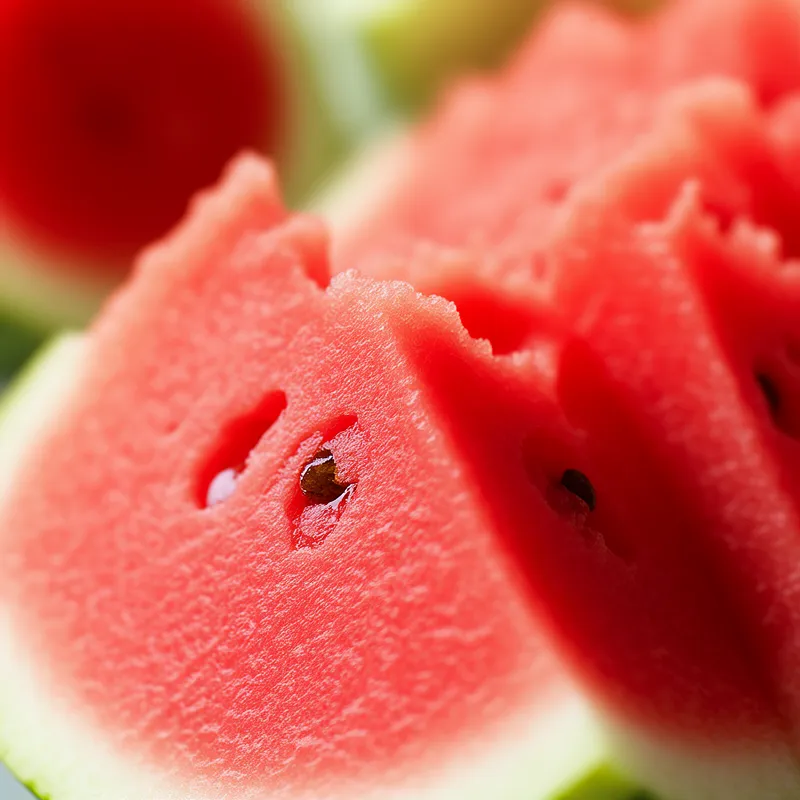
Watermelon rind is often discarded, but it contains a concentrated amount of the amino acid citrulline, which gets converted into arginine in the kidneys. This process plays a role in vasodilation, helping blood vessels relax and improving blood circulation. While the pink flesh is prized for lycopene and hydration, the pale green rind offers a different biochemical profile, providing more fiber and a satisfying crunch. Historically, resourceful cooks in the American South and parts of Asia have utilized the rind for centuries, turning it into sweet pickles, preserves, and stir-fry ingredients. The rind's firm cellular structure allows it to absorb syrups and marinades exceptionally well, transforming its somewhat bland, cucumber-like taste into a versatile culinary canvas. Eating the rind also reduces food waste, maximizing the nutritional yield of the entire fruit. Because the rind is lower in sugar than the flesh, it provides a subtle, refreshing bite without the intense sweetness, making it suitable for savory applications where the flesh would turn mushy.
To prepare watermelon rind, use a vegetable peeler to remove the tough, dark green outer skin, leaving the pale green-white layer underneath. Slice it thinly and add it raw to salads for a refreshing crunch, or blend it into smoothies with lime. For cooking, try pickling the rind in a brine of vinegar, sugar, and spices—a classic Southern preservation method. You can also cube and stir-fry it with soy sauce and garlic, as its firm texture holds up beautifully to high heat. Store unused rind strips in an airtight container in the refrigerator for up to a week.
Per 100g — daily values based on a 2,000 calorie diet
CalRay's AI recognizes watermelon and hundreds of thousands of other foods from a photo. No manual lookup needed.
Watermelon, seedless, rind only contains 19 calories per 100g. It is considered a very low-calorie food (under 50 kcal/100g), making it excellent for weight management.
Watermelon, seedless, rind only provides 0.53g of protein per 100g, which is 1% of the 50g daily recommended value. It is not a primary protein source.
Watermelon, seedless, rind only contains 4.17g of carbohydrates per 100g . It also provides 1.54g of dietary fiber.
Yes! Watermelon, seedless, rind only is very low in calories (19 kcal/100g) and can be eaten in generous portions even on a calorie-restricted diet.
The easiest way to track watermelon is with CalRay. Simply snap a photo of your meal and the AI will automatically identify the food and calculate calories and macros based on the estimated portion size — no manual lookup required. You can also search by name and adjust gram weight manually.
3 kcal 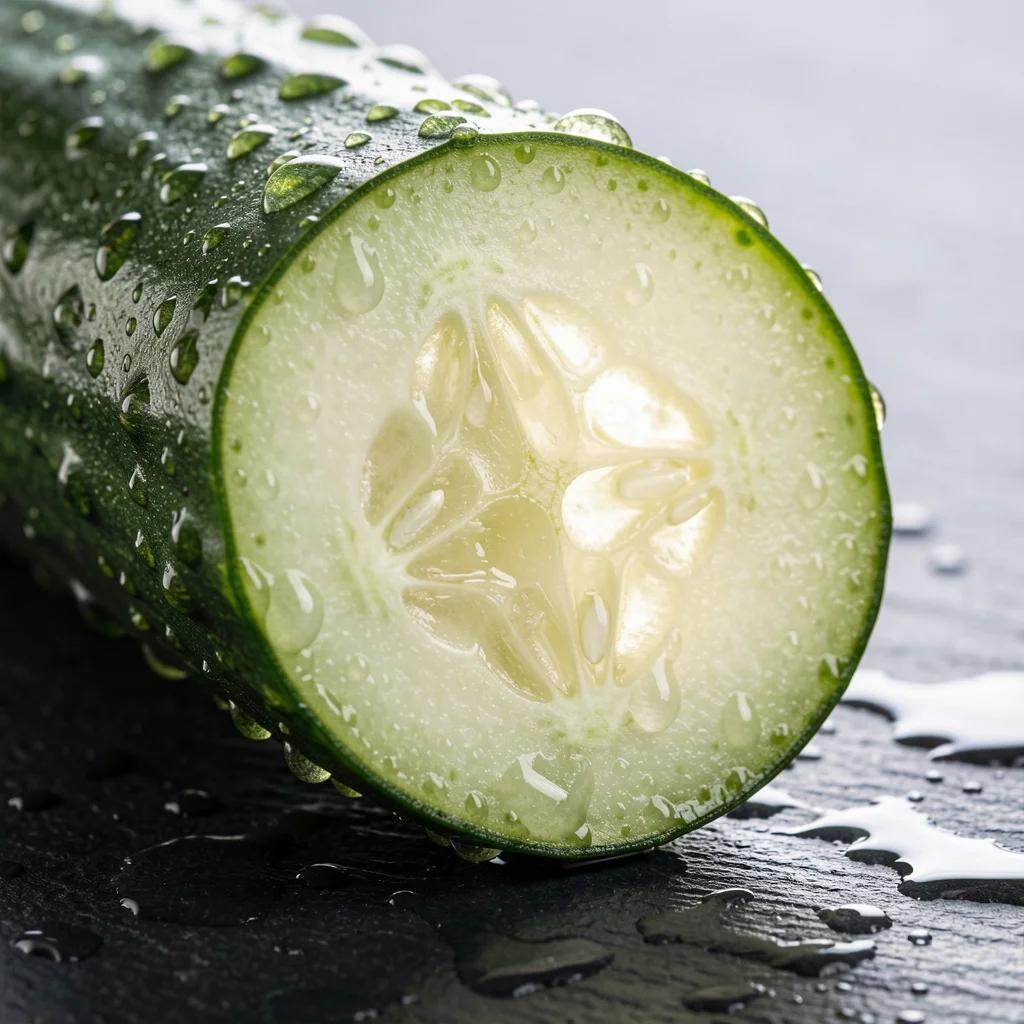 16 kcal
  50 kcal