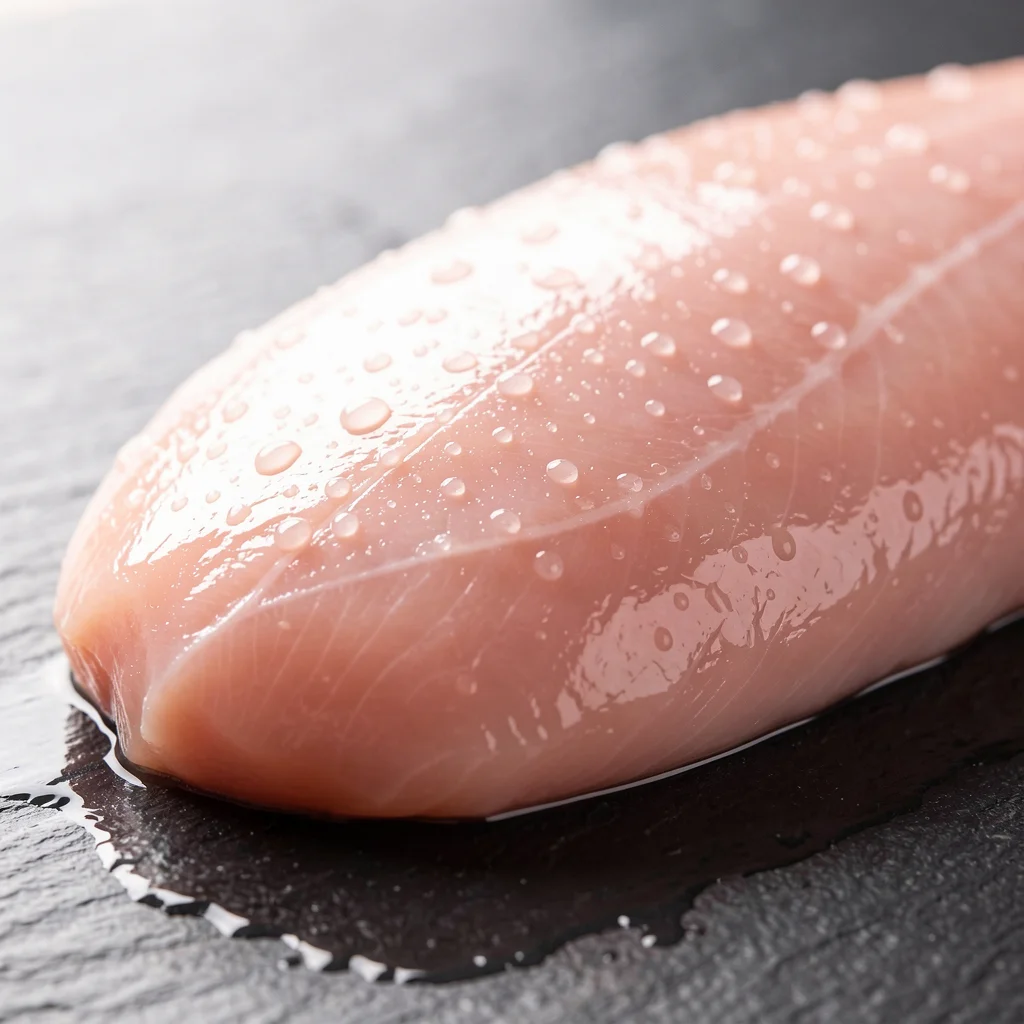
 107 kcal
 P 22.5g C 0g F 1.93g
Plain nonfat yogurt gets its signature tang from bacteria eating lactose and excreting lactic acid.
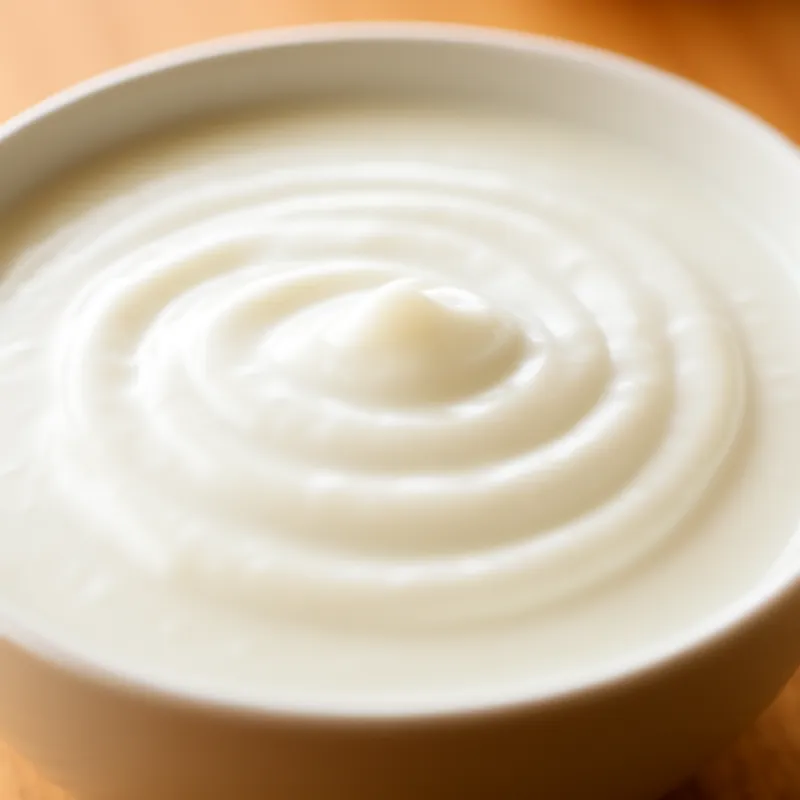
The transformation of milk into plain nonfat yogurt relies on a precise bacterial partnership. By FDA standards, commercial yogurt must be fermented using Lactobacillus delbrueckii subsp. bulgaricus and Streptococcus thermophilus. These two species work symbiotically: S. thermophilus rapidly lowers the milk's pH, creating an ideal environment for L. bulgaricus, which in turn breaks down milk proteins into amino acids that feed its partner. As they consume lactose, they excrete lactic acid. When the pH drops to around 4.6—the isoelectric point of casein proteins—those proteins lose their negative charge and unfold into a tangled three-dimensional mesh, trapping water and forming the characteristic gel. Because nonfat yogurt lacks milk fat globules to disrupt the protein network, it can actually form a slightly firmer curd, though it lacks the rich mouthfeel that fat provides. The resulting lactic acid also acts as a natural preservative, inhibiting spoilage organisms and giving the yogurt its signature tart flavor.
Because nonfat yogurt lacks fat to carry flavors, it benefits from bold pairings. Use it as a marinade base for lean proteins like chicken breast; the lactic acid helps tenderize the meat while keeping it moist during cooking. To prevent the yogurt from curdling in hot dishes, temper it by whisking in small amounts of the hot liquid first. Store it upside down in the refrigerator—this creates a vacuum that keeps the whey from separating.
Per 100g — daily values based on a 2,000 calorie diet
CalRay's AI recognizes yogurt and hundreds of thousands of other foods from a photo. No manual lookup needed.
Yogurt, plain, nonfat contains 50 calories per 100g. A standard serving of 1 RACC (170g) provides 85 calories. It is a moderate-calorie food that can fit into most healthy diets.
Yogurt, plain, nonfat provides 4.23g of protein per 100g, which is 8% of the 50g daily recommended value. It is not a primary protein source.
Yogurt, plain, nonfat contains 8.08g of carbohydrates per 100g .
Yogurt, plain, nonfat has 50 kcal per 100g, which is relatively moderate. It can fit into a weight-loss diet as long as portion sizes are managed.
The easiest way to track yogurt is with CalRay. Simply snap a photo of your meal and the AI will automatically identify the food and calculate calories and macros based on the estimated portion size — no manual lookup required. You can also search by name and adjust gram weight manually.
107 kcal 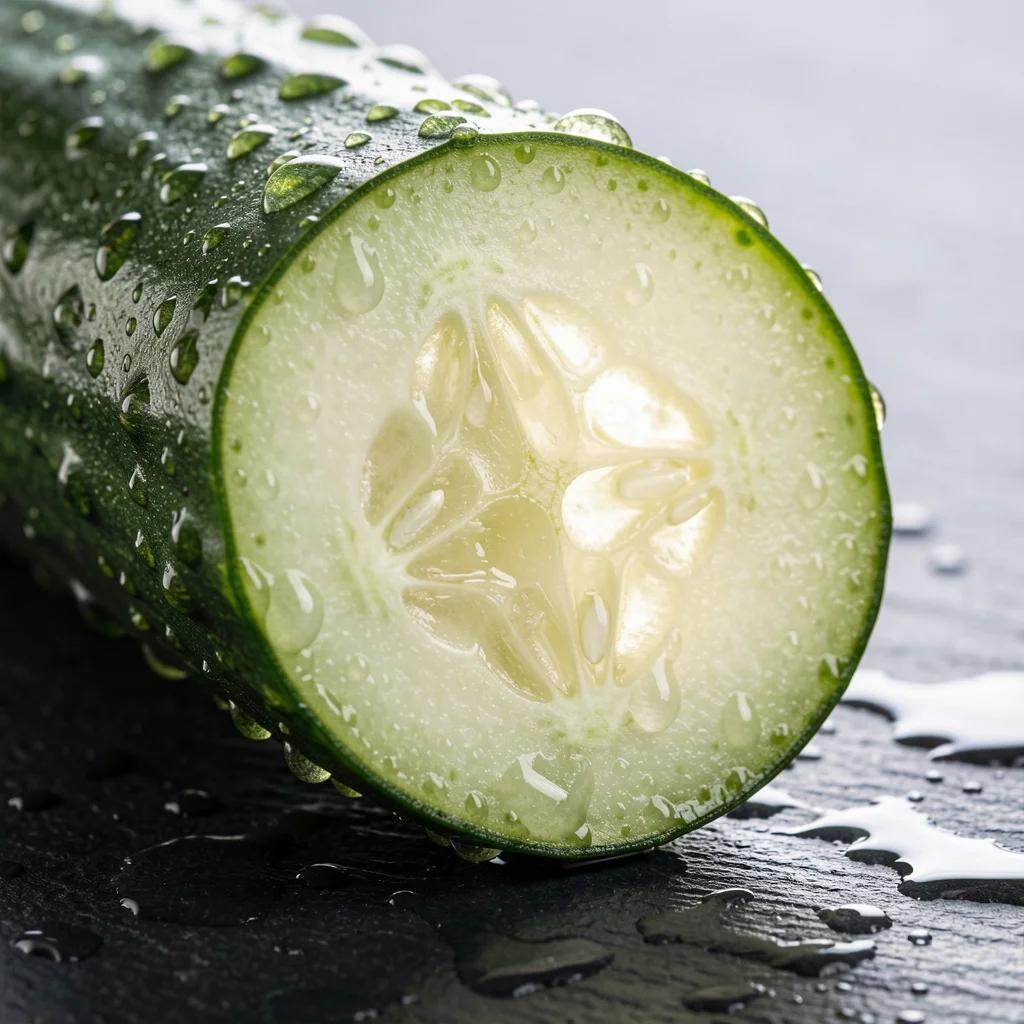 16 kcal
 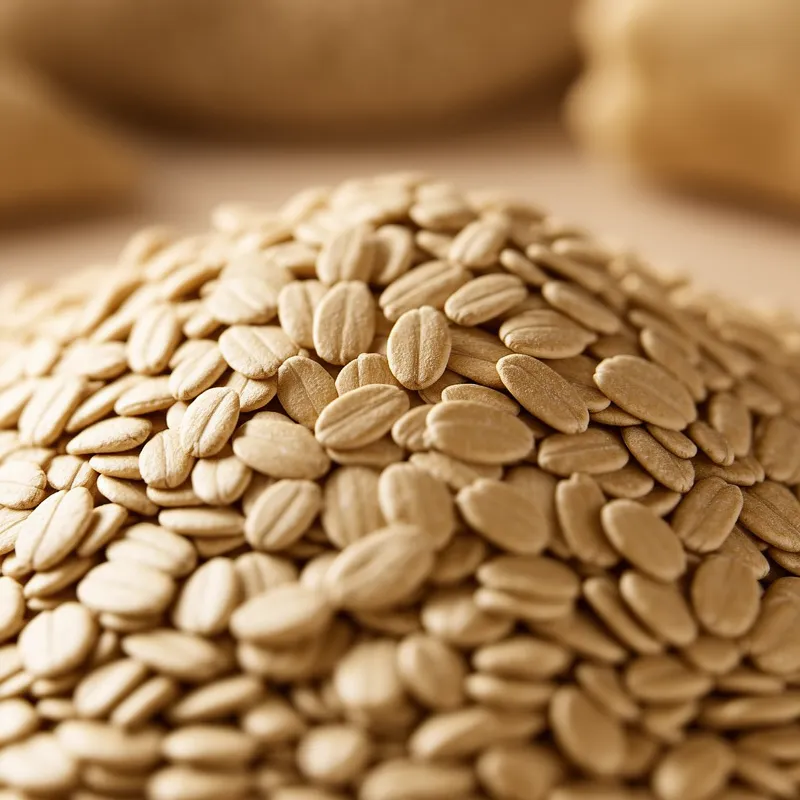 382 kcal