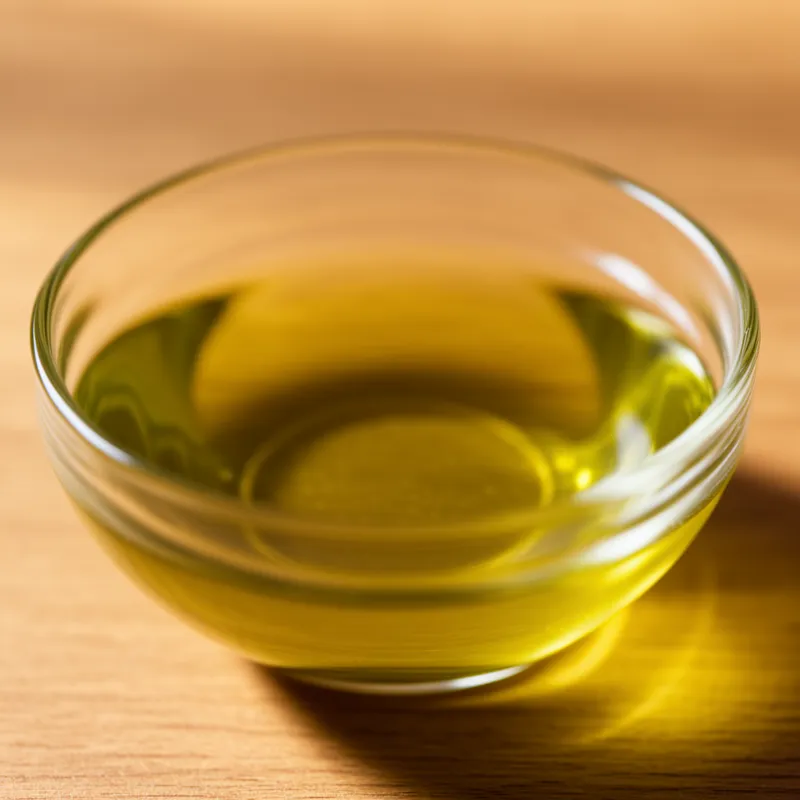
 884 kcal
 P 0g C 0g F 100g
Butternut squash is actually a fruit, specifically a berry known as a pepo, with seeds suspended in its fleshy interior.
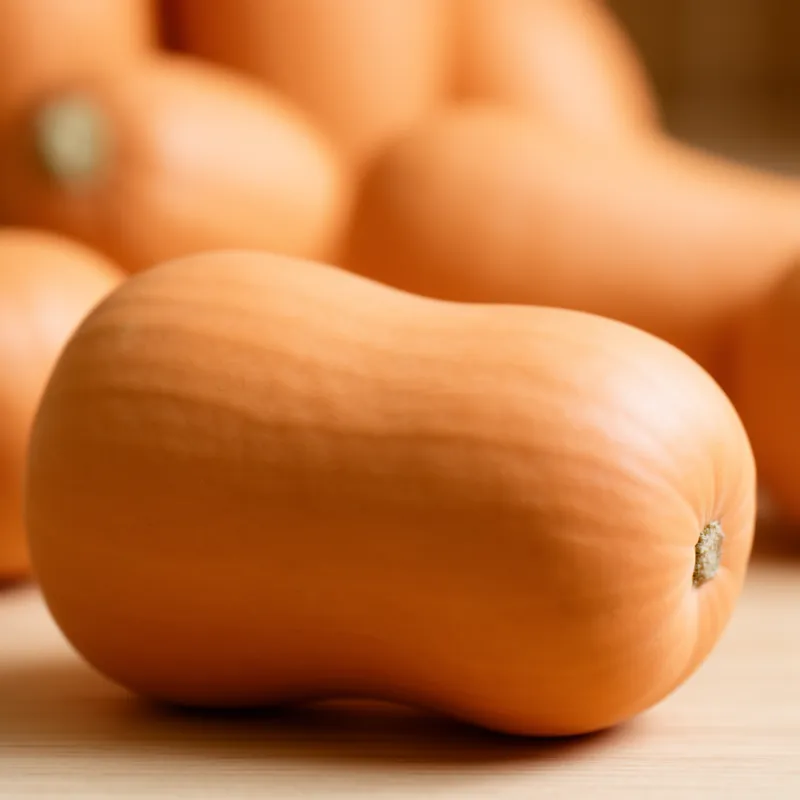
Butternut squash was developed in the 1940s by Charles Legrand of Waltham, Massachusetts, crossing a gooseneck squash with common squash varieties to create a uniform, straight-necked vegetable. Botanically, it belongs to the Cucurbita moschata species, distinct from pumpkins and acorn squash which are Cucurbita pepo. Its characteristic orange pigmentation comes from beta-carotene, a provitamin A carotenoid. The biochemical conversion of beta-carotene to retinol in the human body relies on bile salts, meaning its fat-soluble nature makes it significantly more bioavailable when consumed with a small amount of dietary fat. Additionally, the squash's dense, sweet flesh is a result of cold-weather starch-to-sugar conversion. As temperatures drop, the plant converts its starches into sugars to prevent cellular freezing, a natural antifreeze mechanism that makes winter squash taste notably sweeter after a frost. This evolutionary adaptation ensures the fruit survives to disperse its seeds, while coincidentally providing humans with a rich, sweet flavor profile.
To maximize the absorption of its fat-soluble beta-carotene, always cook butternut squash with a source of dietary fat, such as roasting it with olive oil or tossing it with toasted nuts. Store whole, uncut squash in a cool, dark place around 50°F to 55°F, where it can last for several months without refrigeration. When preparing, microwave the squash for two to three minutes to soften the tough rind, making it significantly easier and safer to peel and cube.
Per 100g — daily values based on a 2,000 calorie diet
CalRay's AI recognizes squash and hundreds of thousands of other foods from a photo. No manual lookup needed.
Squash, winter, butternut contains 48 calories per 100g. A standard serving of 1 RACC (85g) provides 41 calories. It is considered a very low-calorie food (under 50 kcal/100g), making it excellent for weight management.
Squash, winter, butternut provides 1.15g of protein per 100g, which is 2% of the 50g daily recommended value. It is not a primary protein source.
Squash, winter, butternut contains 10.5g of carbohydrates per 100g . It also provides 1.96g of dietary fiber.
Yes! Squash, winter, butternut is very low in calories (48 kcal/100g) and can be eaten in generous portions even on a calorie-restricted diet.
The easiest way to track squash is with CalRay. Simply snap a photo of your meal and the AI will automatically identify the food and calculate calories and macros based on the estimated portion size — no manual lookup required. You can also search by name and adjust gram weight manually.
884 kcal  143 kcal
  554 kcal